facebook pixel

Leftovers Reimagined: How to Repurpose Marketing Content Like a Pro

Leftovers Reimagined: How to Repurpose Marketing Content Like a Pro

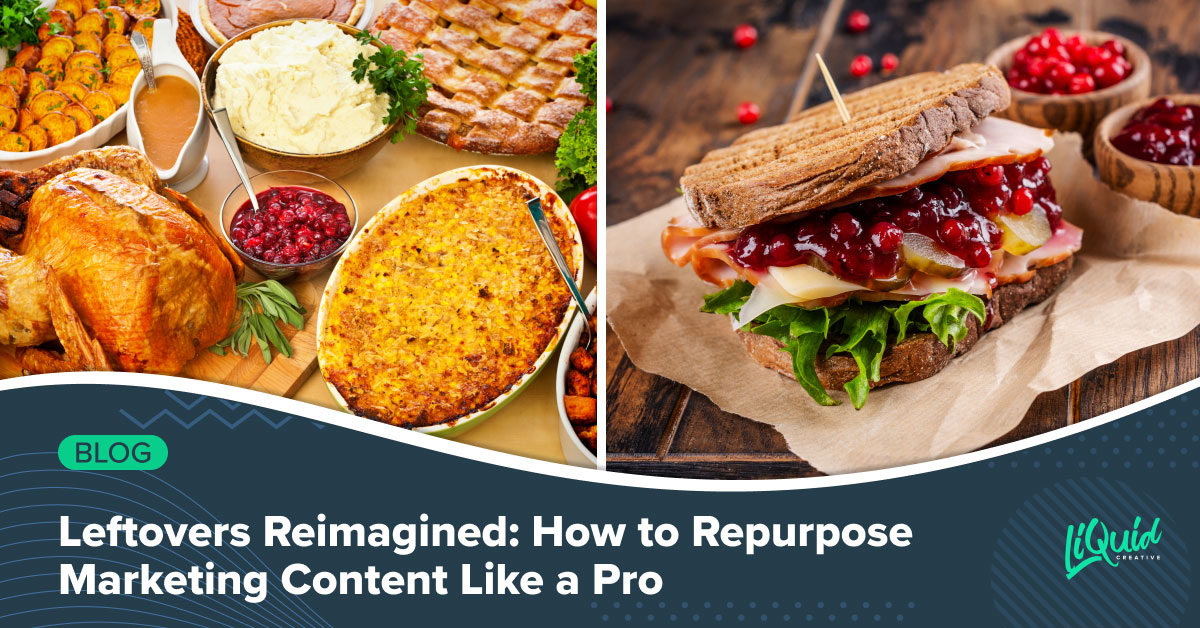
Thanksgiving might come once a year, but one tradition keeps on giving: leftovers.

A little creativity can turn yesterday’s turkey into a sandwich, a soup, or even a new meal altogether. The same principle applies to your marketing content.

If you’ve ever spent hours crafting a blog, campaign, or video only to watch it fade into the feed after a week, you’re not alone. But what if your best-performing ideas could live again in new formats, continuing to feed your audience (and your SEO) long after their debut?

It’s time to clean out your content fridge and see what’s worth reheating, remixing, and reimagining.

Why Repurposing Content Matters for Marketing Success

Good content takes time, effort, and strategy. Repurposing helps that effort go further and keeps your messaging consistent across every channel.

Think of it as sustainability for your marketing: less waste, more impact.
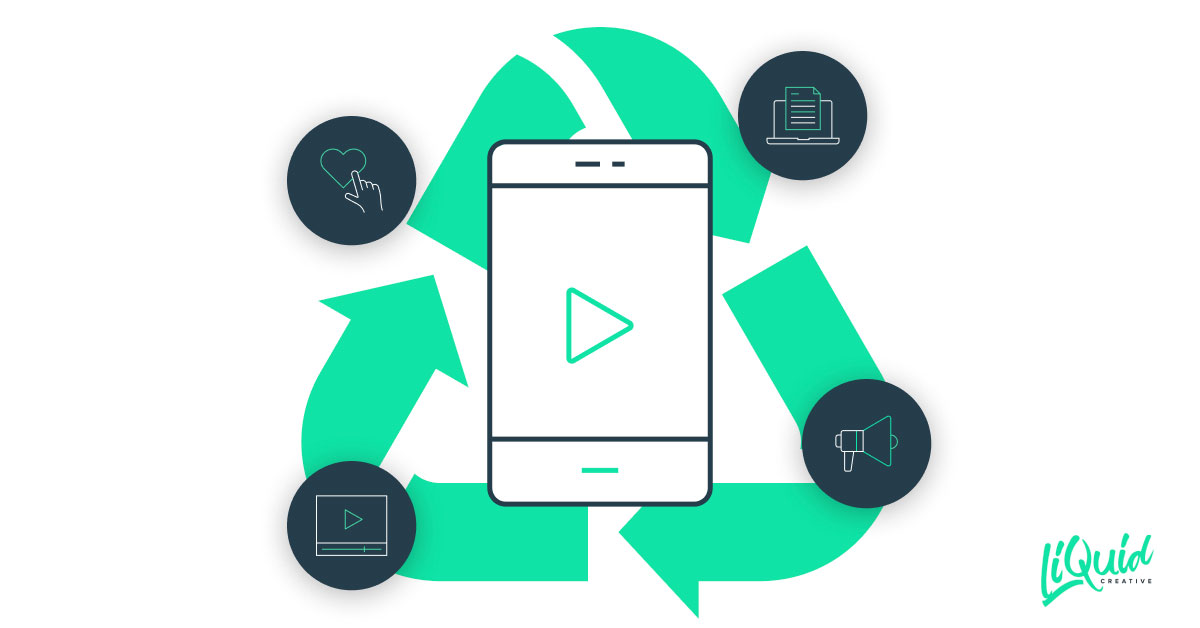
Recycling content

Here’s why it works:

Extend your content lifespan: That blog you wrote last spring is still valuable. Turning it into a short video or carousel post breathes new life into insights your audience may have missed.

Boost SEO and discoverability: Refreshing older content with updated keywords, visuals, or links helps it perform better in search, without starting from scratch.

Reach different audiences: Some people read long-form posts, others prefer visuals or video. Repurposing lets your ideas meet audiences where they are.

Save time and resources: You already have the foundation—strategy, research, and messaging. Repurposing simply builds on what’s working.

How to Find Content Worth Repurposing

Not every post deserves a second serving. The secret is knowing which pieces still have flavor and relevance.

Look for:

  • Evergreen topics: Content that stays relevant over time, such as how-to guides, strategy insights, or brand storytelling.
  • Top-performing posts: Check your analytics to find the blogs, emails, or social posts that drove the most traffic and engagement.
  • Data-driven resources: Stats, surveys, and research can easily be turned into infographics or visual assets.

Client stories and testimonials: Transform case studies into videos, social proof graphics, or behind-the-scenes features.

Pro Tip: Review your top content from the past 12 to 18 months. You’ll likely find plenty of material ready for a refresh.

Creative Ways to Repurpose Marketing Content

Here’s how to turn one great idea into a full content spread.

1. Turn Blogs into Short Videos or Reels

Pull three or four takeaways from a blog post and turn them into a quick, engaging video. Add captions, light animation, or a voiceover, and end with a CTA: “Want more tips? Read the full post.”

Example: Your blog on “Top Brand Design Trends” becomes a 30-second reel with examples and motion graphics.

2. Transform Data into Infographics

Audiences love visuals that make complex ideas easy to understand. Turn key stats, reports, or survey findings into a clean, shareable infographic using your brand colors and fonts.

Example: Your annual marketing trends post becomes 5 Numbers Every Marketer Should Know in 2025.

3. Convert Webinars into Blog or Email Series

Don’t let great discussions disappear. Break down a recorded webinar into a blog recap or a short educational email series.

Example: Your Social Media Strategy in 2025 webinar becomes a three-part blog series on planning, tools, and metrics.
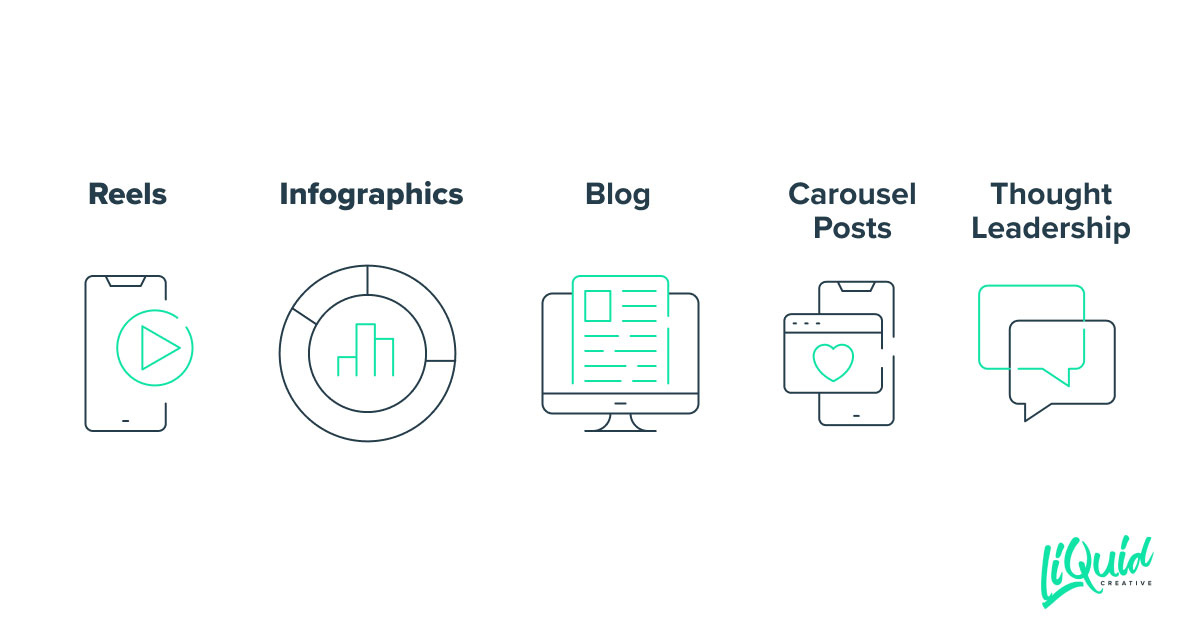
Content Types

4. Reimagine Long Blogs as Carousel Posts

Condense key insights into swipeable visuals for LinkedIn or Instagram. Use one message per slide and end with a strong call to action.

Example: “Website Mistakes That Cost You Leads” becomes a 6-slide carousel with one mistake per frame.

5. Turn Testimonials into Brand Stories

Your client feedback is storytelling gold. Combine quotes with photos or graphics for social, or expand longer success stories into full blog posts.

Example: How a Local Clinic Increased Patient Satisfaction by 40% becomes both a testimonial graphic and a case study.

6. Share Your Process as Thought Leadership

Behind-the-scenes insights show expertise. Turn your team’s methods or brainstorms into blogs, short videos, or how-we-work features.

Example: How We Build Brand Voice Guides becomes a thought leadership post and video series.

7. Turn Campaigns into Case Studies

After a campaign ends, analyze it. Write a post breaking down the goals, creative process, and measurable results—complete with visuals.

Example: How We Helped a Local Brand Increase Engagement by 200% in Three Months.

How to Keep Repurposed Content Fresh

person chopping up food

Repurposing isn’t copying; it’s reinventing. To make sure every piece feels relevant and new:

  • Update data and references with current stats or trends.
  • Refresh visuals to match your latest brand look.
  • Add seasonal context for timely relevance.
  • Optimize SEO with refreshed keywords and internal links.

A little creativity turns old content into something worth serving again.

Example of a Content Refresh in Action

Imagine you published a blog in April titled “Five Ways to Strengthen Your Brand Presence.” Here’s how you could extend its life:
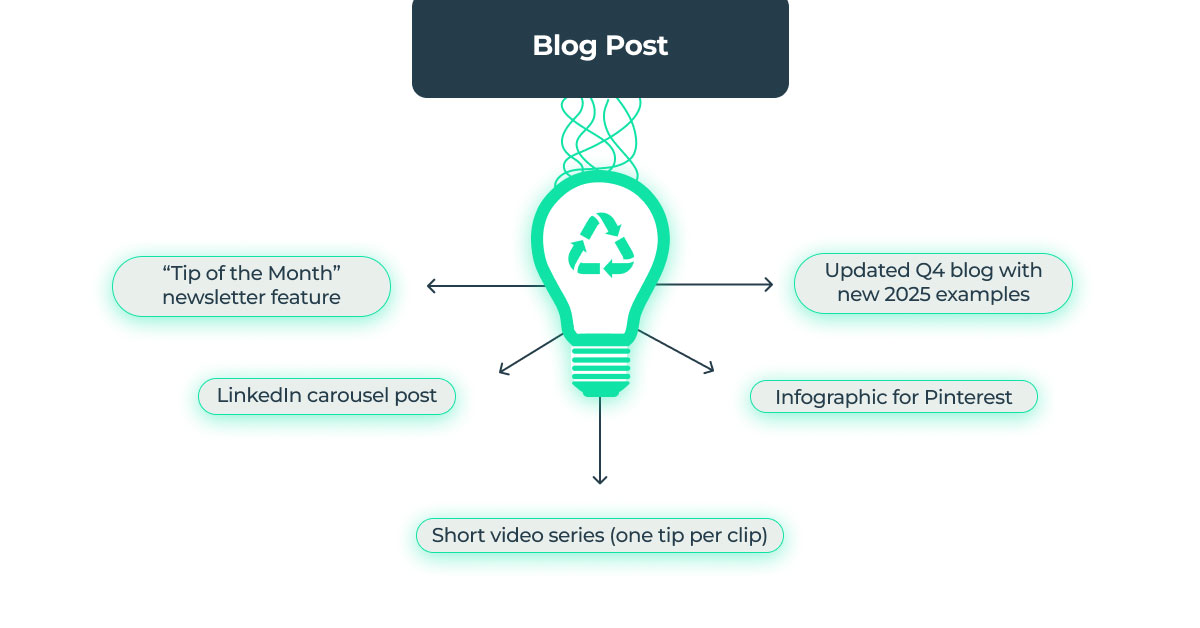
Content refresh types

One solid idea. Five new opportunities for reach and engagement.

Make the Most of What You’ve Made

Repurposing isn’t just efficient; it’s strategic. It keeps your voice consistent, reinforces your expertise, and helps your team stay visible without burnout.

As you enjoy your Thanksgiving leftovers this year, take a cue from your kitchen: Don’t throw out what’s still good. Reimagine it.
Your best ideas still have plenty of flavor left.

Let’s Turn Your Content Leftovers Into Fresh Strategy!

At Liquid Creative, we don’t just rework ideas—we spark them. From standout campaigns to dynamic digital experiences, we help brands grow through creative solutions that deliver results.

Let’s create what’s next together. Contact us today to get started.
Don’t Let Your Marketing Take a Vacation

Don’t Let Your Marketing Take a Vacation

Why Consistent Visibility Matters—Even When Your Audience is Mentally Checked Out

It’s August. The inbox is quieter. Out-of-office replies are peaking. Even your top customers are squeezing in one last beach trip before fall routines begin.

It’s tempting to hit pause on your marketing and ride out the summer slump. But here’s the reality:

If your marketing takes a vacation, your visibility does too.

And in today’s ultra-competitive digital landscape, disappearing—even temporarily—can cost you traction, leads, and relevance. The good news? Staying visible doesn’t have to mean burning out your team or reinventing your strategy. It’s about working smarter with automation, evergreen content, and strategic presence that keeps your brand top of mind, even while your audience is poolside.

Let’s dive in.

The Summer Slump Is Real—But It’s Not the Same for Everyone

While some industries slow down in late summer—especially B2B—others, like travel and e-commerce, often see seasonal spikes. But across the board, audience behavior shifts as vacations, distractions, and lighter routines take over.

  • In July 2023, email marketing volume dropped by 5.61%, and nearly every industry experienced a month-over-month decline in open rates, according to HubSpot’s industry benchmarks.
  • During the same month, website traffic fell by 5.2%, and inbound leads declined by 1.68%, further showing how engagement temporarily softens as people unplug.

The takeaway? Your audience may be quieter in August, but they haven’t disappeared. Smart brands don’t go dark. Instead, they lean into automation, evergreen content, and brand-building stories to stay present so they’re remembered when buying cycles pick back up in the fall.

Evergreen Content = Your Off-Season MVP

When your audience is distracted, the worst thing you can do is go silent. That’s why evergreen content is essential: it works whether your team is active or not and whether your audience is in full-focus mode or just browsing.

Evergreen content includes blog posts, videos, infographics, and lead magnets that stay relevant year-round. Think how-to guides, checklists, or resource roundups—anything that adds value without being tied to a specific date.

Girl on laptop looking at website

Example in action:

Asana’s Anatomy of Work Index (2023) revealed that 58% of our time is spent in unproductive work activity—like status updates or shifting priorities—rather than on meaningful tasks. Insights like this drive Asana’s evergreen content, helping them remain relevant and useful year-round—especially when teams are shrinking, working remotely, or balancing summer vacation schedules.

Pro Tip: Audit your top 3–5 evergreen assets. Update them with timely statistics, add season-appropriate visuals, and include a CTA that aligns with both your audience’s needs and your Q3 goals.

Automate Where It Matters

Summer isn’t the time to disappear, but it is the time to work more efficiently. Marketing automation tools can help you stay consistent while your team takes PTO or shifts focus.

Consider automating:

  • Email nurture sequences for leads and new subscribers
  • Scheduled social media posts with tools like Buffer, Later, or Sprout Social
  • Chatbots for initial customer service responses
  • Drip campaigns promoting a summer sale or service push

Example in action:

Sephora uses automated product recommendation emails that continue firing throughout the summer, personalized by browsing history. They keep conversions flowing even when promotional activity slows.

In B2B marketing, automated workflows help nurture leads even during quieter periods, delivering timely, behavior-based content that keeps prospects engaged without manual effort.

Pro Tip: Pair automation with light personalization (like first names, last product viewed, or industry tags) to maintain warmth and human connection.

Pre-Plan & Batch Your Content Like a Pro

If summer is slow for your business, use it to get ahead. August is a great time to batch content for the fall, test creative variations, or experiment with formats you’ve been putting off.

Plan ahead by:

  • Pre-writing blog posts that will go live in Q4
  • Producing a batch of reels or short videos for your social platforms
  • Scheduling early fall email campaigns and promotions
  • Lining up interviews or case studies you can roll out during busier months

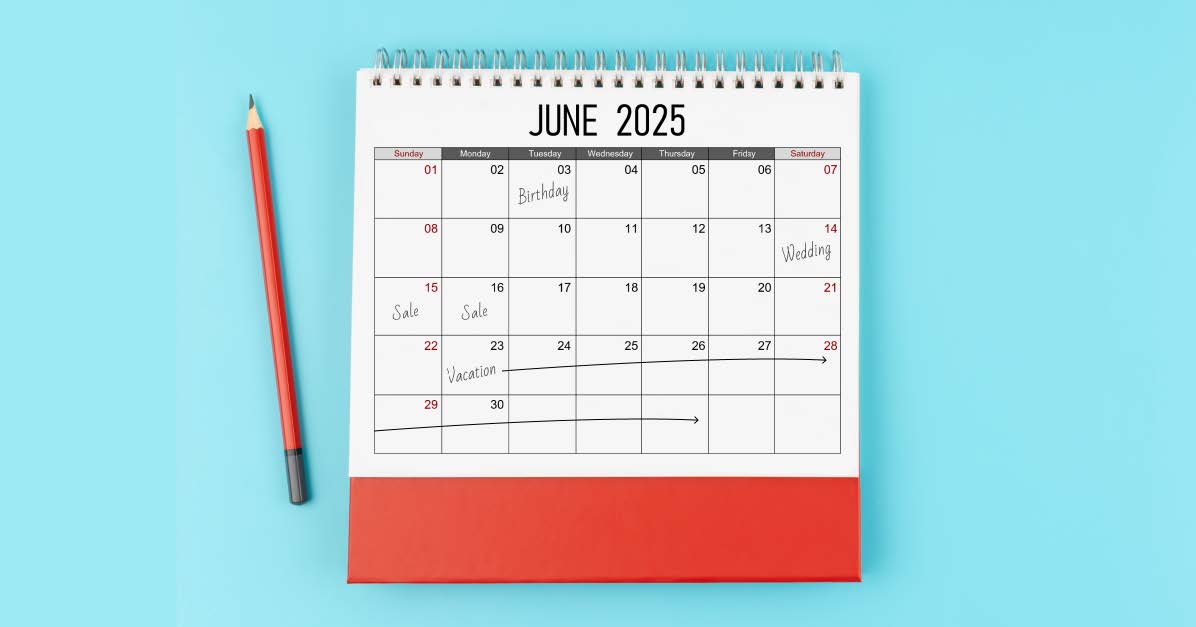
Calendar with pencil next to it

Pro Tip: Create a “content bank” of 10–15 reusable posts (quotes, tips, client testimonials) that can be pulled out and published during low-capacity weeks.

Use the Season to Tell Stories, Not Just Sell

Your audience might not be in full buying mode, but that doesn’t mean they’re not listening. Summer is the perfect time to build brand affinity through softer, story-driven content that resonates without the hard sell.

What that looks like:

  • A behind-the-scenes look at your team (vacation vibes included)
  • Founder stories or reflections on mid-year growth
  • Highlighting customer wins or creative product use cases
  • A light-hearted campaign tied to seasonal fun or travel
  • A spotlight on your brand’s philanthropic or community-focused efforts

group of people talking together

Example in action:

Warby Parker’s Pupils Project is a back-to-school initiative that tells a values-driven story without selling a single product. Each year, the brand provides free vision screenings and eyeglasses to students in need, distributing more than 227,000 pairs of glasses to date. The initiative drives community impact without a direct product push, while boosting visibility and trust during a traditionally slower retail period.

Pro Tip: Create a short summer storytelling series—3–5 posts that highlight your team, customers, or community efforts. One strong photo and a brief, values-driven caption is all it takes to stay visible and meaningful.

Visibility Now = Momentum Later

It’s easy to think August doesn’t matter. But what you do during slow seasons sets the stage for performance when traffic rebounds.

Here’s why staying visible in August pays off:

  • SEO: Google rewards consistent publishing. Keeping a regular cadence now improves rankings later.
  • Retargeting: Ads seen in August create warm audiences for bigger fall campaigns.
  • Brand Recall: Staying present now makes you a familiar name when Q4 decision-making picks up.
Brand Awareness

Example in action:

Canva doesn’t throttle back in August. Instead, they tease templates for fall campaigns, back-to-school content, and business refreshes. Their consistency ensures they’re the go-to tool when people are ready to dive back into projects.

Pro Tip: Use slower weeks to test and refine your messaging. Small tweaks to subject lines or ad copy now could mean better results when it counts.

Don’t Mistake Quiet for Irrelevance

The inbox might be slower. Your engagement might dip. But remember: your audience still scrolls, still consumes, and still notices. Just differently.

Marketing isn’t just about when people are ready to buy; it’s about staying relevant before they are. A well-timed blog post or Instagram reel in August might be the reason they think of you in September.

TL;DR—Keep Your Brand On the Map While Everyone Else is Off It

When your competitors unplug, that’s your chance to show up—strategically, consistently, and smartly.

Don’t let your marketing take a vacation. Let it look effortless, while automation, evergreen content, and planning work quietly in the background.

Because when the inbox fills up again and the focus returns, your audience will remember the brand that stayed top of mind, even when their toes were in the sand.

Need help building a smarter, more sustainable marketing plan?

At Liquid Creative, we help brands stay visible year-round with strategies built for consistency, automation, and creative agility.

Let’s talk—so your marketing can stay on even when the out-of-office is.

Freedom to Unsubscribe: How to Keep Your Email List Engaged (and Growing)

In a world full of notifications, inbox overload, and attention spans that seem to shrink by the second, getting someone to open your email is already a victory. Getting them to stay subscribed? That’s the real win.

This July, as we celebrate freedom, it’s time to talk about a different kind of independence: the freedom to unsubscribe. But don’t panic—this isn’t a fear-based blog about losing your audience. In fact, it’s just the opposite.

When used strategically, your unsubscribe rate can be one of your most useful marketing metrics, pointing you toward better engagement, stronger messaging, and a more loyal list of customers who actually want to hear from you.

In this blog, we’ll explore:

  • What makes people unsubscribe—and why that’s not always a bad thing
  • Email strategies that keep audiences hooked
  • Real-world examples of brands doing it right
  • Simple ways to boost retention and grow your list with intention
  • How Liquid Creative can help you build better connections, one email at a time

Let’s get into it.

The Real Reason People Unsubscribe

You craft the perfect subject line. Design a mobile-friendly layout. Hit send. And then? The dreaded unsubscribe alert. It’s easy to feel discouraged—but this metric is a goldmine for insight.

Here’s what drives most people to unsubscribe:

  • Email overload: If you’re sending too often—or without a clear purpose—expect attrition.
  • Irrelevance: Generic, one-size-fits-all content doesn’t work anymore. Audiences expect personalization.
  • Bland design or confusing CTAs: A cluttered or dated email design creates friction, especially on mobile.
  • No value: If subscribers can’t quickly identify what’s in it for them, they won’t stick around.

But here’s the twist: the unsubscribe button isn’t your enemy. It’s your editor.

By allowing disinterested users to self-select out, you’re fine-tuning your audience to include only those who are aligned with your message, values, and offerings. That means better engagement, higher conversion potential, and a stronger ROI per send.

Reframing the “Unsubscribe” Moment

When a subscriber leaves your list, it’s not a failure—it’s an opportunity.

A leaner, cleaner email list means:

  • Better open rates (your content is going to people who actually care)
  • Improved sender reputation (email platforms reward engagement)
  • More accurate data (because vanity metrics don’t pay the bills)

Think of it this way: if you’re having a conversation with someone who’s not listening, you’re wasting breath. But when you speak to someone truly interested? That’s when things happen.

Let your email list be full of listeners, not just names.

Brand Spotlight: Patagonia’s Value-First Messaging

Patagonia doesn’t just sell clothes. They sell commitment—to the planet, to sustainability, and to activism. Their email strategy reflects that.

Subscribers receive not only product launches but environmental updates, stories from the field, and calls to action to support key causes.

In one of their most iconic campaigns, they boldly told customers: “Don’t buy this jacket.” The message? Only purchase what you truly need.

And it worked.

Their transparency and purpose-driven messaging have cultivated a fiercely loyal following that values substance over sales.

Takeaway: If you want long-term loyalty, lead with meaning, not marketing.

Brand Spotlight: Duolingo and the Power of Brand Personality

With its cheeky tone and unmistakable green owl mascot, Duolingo turns learning into entertainment. Their emails reinforce this playful voice—often using humorous subject lines like, “Your streak is crying 😢” or “We noticed you ghosted us.”

This gamified, casual approach makes users feel seen—but not scolded. And it keeps them coming back.

Takeaway: People connect with people, not platforms. Show some personality.

Brand Spotlight: Warby Parker’s Delight-Driven Content

Warby Parker makes glasses shopping fun—and their emails reflect that. With quirky copy, colorful visuals, and segmented recommendations based on past behavior, their content feels less like a sales pitch and more like a curated experience.

They also nail the balance of frequency: enough to stay top-of-mind but not enough to overwhelm.

Takeaway: Delight your audience. A little creativity goes a long way toward retention.

7 Ways to Reduce Unsubscribes and Increase Engagement

1. Segment Like a Pro

Don’t treat all subscribers the same. Use sign-up data, purchase history, or engagement behavior to send content that’s relevant.

  • New customers? Send a welcome series.
  • Inactive for 90 days? Try a re-engagement campaign.
  • Purchased recently? Offer loyalty perks.

Why it matters: Personalized emails deliver 6x higher transaction rates. Dynamic content can increase revenue per email by up to 760%.

2. Optimize Your Frequency

More isn’t always better. Let your audience choose how often they hear from you. Some may want weekly updates; others, just the highlights. Add a “manage preferences” option instead of just unsubscribe.

Why it matters: Brands that use behavioral data to tailor their marketing can boost their revenue by 5% to 15% and improve marketing efficiency by 10% to 30%.

3. Nail the Subject Line

You’ve got one line to earn an open—so make it count. The best subject lines are short, clear, and compelling. Aim for nine words or fewer, and consider adding one emoji at the beginning or end to stand out in a crowded inbox.

Examples:

  • “Your July marketing checklist is here 📬”
  • “Still interested in 20% off? 🔥”
  • “This simple fix could boost your sales 💡”
Pro Tip: Don’t be afraid to test variations—even one word or emoji can improve open rates.

4. Design for Mobile (Always)

Over 60% of email opens happen on mobile. If your email is clunky, hard to scroll, or overloaded with tiny text—it’s headed straight to the trash.

✅ Use single-column layouts
✅ Keep CTA buttons large and tappable
✅ Limit text blocks to make skimming easy

Why it matters: Emails optimized for mobile see up to 15% higher click-through rates compared to desktop-first designs.

5. Deliver Value—Fast

Before you hit send, ask yourself: What does the subscriber get from this email?

  • Solve a problem
  • Save them time or money
  • Teach something useful
  • Entertain or inspire

Keep email copy concise—under 200 words performs best. In fact, emails with 50–125 words have the highest response rate, around 50% higher than long-form emails.

Every email should answer the question: “Why should I care?”

6. Track and Act on Metrics

Monitor your open rate, click-through rate, bounce rate, and unsubscribe rate to identify what’s working—and what’s not.

For example, a spike in unsubscribes might mean:

  • You sent too many emails in a short time
  • The content didn’t match expectations
  • The CTA was unclear or misleading

Use this feedback to refine your content strategy.


Benchmarks to watch:

  • Open Rate: 20%+ is solid, 30%+ is great
  • Click-Through Rate (CTR): Aim for 2–5%
  • Bounce Rate: Should be under 2%
  • Unsubscribe Rate: Keep it below 0.5%
Pro Tip: Set up regular list cleaning—every 3 to 6 months—to remove unengaged contacts and maintain strong deliverability.

7. Make Your CTA Irresistible

Generic CTAs like “Learn More” or “Click Here” are forgettable. A great CTA is:

  • Clear (“Download your free checklist”)
  • Action-oriented (“Start saving today”)
  • Value-driven (“Claim your 20% off”)

Why it matters: Emails with a single CTA can boost click rates by up to 371%.

Make it obvious what you want the reader to do—and what they’ll gain by doing it.

The Bottom Line: Great Email Marketing Is About Respect

Respect your audience’s time. Respect their inbox space. And above all, respect the relationship you’re building.

When you do that—when you send emails that are personal, valuable, and aligned with your brand—people don’t unsubscribe. They look forward to what’s next.

Why Choose Liquid Creative?

At Liquid Creative, we don’t just design emails—we craft experiences that build relationships, drive action, and keep your audience coming back for more. Our approach blends strategy, design, copywriting, and data-driven insights to deliver email campaigns that actually work.

Whether you’re looking to grow your list or breathe new life into underperforming campaigns, we help you:

  • Build and segment your list with purpose
  • Write subject lines that demand to be opened
  • Design mobile-first templates that convert
  • Align every email with your broader marketing goals

You don’t have to go it alone—and you definitely don’t have to settle for mediocre results.

📧 Let’s Boost Your Email Game

Don’t fear unsubscribes—use them as fuel to refine, refocus, and reconnect. If you’re ready to turn your email list into a high-performing, high-converting marketing tool, Liquid Creative is here to help.

Get in touch with our team today!

Sun’s Out, Sales Up: What Summer Can Teach Us About Seasonal Marketing

Sun’s Out, Sales Up: What Summer Can Teach Us About Seasonal Marketing

Summer isn’t just a season—it’s a mindset. As the days grow longer and the temperatures rise, so do consumers’ appetites for experiences, indulgences, and change. From vacation planning to backyard upgrades, June is a launchpad for seasonal behavior shifts. Marketers who lean into those shifts with timely, targeted campaigns can ride the wave of consumer energy all the way through Q3.

Whether you’re a local service provider or a global brand, summer offers a blueprint for how seasonal patterns shape consumer decision-making. Let’s unpack what this season teaches us about effective marketing, with real-world examples and actionable strategies you can put into play right now.

Summer Triggers Emotional Spending—So Tap Into That Emotion

People don’t just buy sunscreen or beach towels; they buy the idea of freedom, fun, and escape. Summer evokes nostalgia, spontaneity, and a desire to savor the moment. Your job as a marketer? Attach your product or service to those emotions.

Real-World Example: Coca-Cola’s “Summer Tastes Better” Campaign

Coca-Cola’s global summer campaigns have long capitalized on emotional connection. From custom-name bottles to ads set at pool parties and cookouts, they reinforce the idea that summer memories are best made with a Coke in hand. Instead of focusing on product features, the brand emphasizes feelings of connection, joy, and simplicity.

Marketing Tip: Lead with emotion. Use storytelling, vibrant imagery, and nostalgia-driven language to connect with your audience. Ask yourself: How does my product fit into their ideal summer day? Messaging that makes people feel something is far more effective than a list of product specs.

Seasonal Relevance Gives You an Edge

Marketing that feels timely performs better. June kicks off summer break, wedding season, road trips, and outdoor everything. Tying your content, promotions, and visuals to what your audience is experiencing right now makes your brand feel responsive and in tune.

Calendar

Real-World Example: Lowe’s “SpringFest” and Home Depot’s “Summer Kickoff” Promotions

Both home improvement giants run seasonal campaigns around outdoor living, grilling, and garden upgrades. These aren’t just sales; they represent lifestyle pivots. They know customers are planning cookouts, tackling DIY projects, and upgrading patios, so they meet those needs head-on with bundles, limited-time pricing, and cross-promoted categories.

Marketing Tip: Audit your offerings and reposition them through a seasonal lens. Selling fitness programs? Talk summer goals and beach-ready energy. Run a local restaurant? Spotlight patio dining, seasonal ingredients, or cold drinks. You don’t need a summer-specific product to join the conversation—just a summer-savvy message.

Summer Means More Time Outside, So Go Where Your Audience Is

As the weather warms up, digital behavior shifts. People spend less time indoors scrolling and more time on the go. Your marketing should follow suit. Think short-form content, mobile-first design, and even physical experiences or out-of-home strategies.

group of people around a vendor station

Real-World Example: White Claw’s Summer Sampling Vans

White Claw took to the streets with branded vans and beach pop-ups offering samples and merch. It wasn’t just about the product; it was about showing up in the environments where their audience already hangs out. They deepened digital loyalty with real-world presence.

Marketing Tip: Prioritize mobile-friendly content, geo-targeted ads, or local partnerships. Can’t swing an in-person activation? Use Instagram Reels, TikTok trends, or summer-themed stories to join seasonal social feeds. Meet your audience where they already are.

Urgency Sells—Especially When Summer Feels Fleeting

Summer has a built-in scarcity: it doesn’t last forever. Smart marketers use that urgency to their advantage. Flash sales, limited-time offers, and “before summer ends” messaging tap into the psychology of FOMO and encourage quicker decision-making.

Real-World Example: REI’s Anniversary Sale + 4th of July Campaigns

REI positions its late-May sale as a seasonal kickoff, offering steep discounts on gear that gets customers excited for summer adventures. They then follow up with patriotic, outdoor-themed promotions that expire right after the holiday. It’s smart sequencing that creates urgency and momentum.

Marketing Tip: Build a calendar of timed promotions with short windows. Phrases like “before your next BBQ,” “this weekend only,” or “gear up for July 4th” tie your messaging to real events and plans. Use countdowns and bold CTAs to drive conversions.

Summer Is Social, So Make Your Marketing Shareable

From vacation pics to backyard parties, people love to share their summer experiences. Give them something worth posting. Whether it’s branded swag, a social media challenge, or a clever caption idea, smart marketing makes your audience part of the story.

Real-World Example: Starbucks’ Summer Frappuccino Drops

Each year, Starbucks rolls out colorful, limited-time summer drinks (think tie-dye, mermaid, or unicorn-themed) with aesthetics clearly built for Instagram. The goal? Turn every order into user-generated content (and a walking ad).

Marketing Tip: Make your content visual-first and encourage participation. Launch a themed hashtag, run a summer giveaway, or offer incentives for sharing product photos. User-generated content boosts engagement and builds trust, especially during seasons of high social activity.

person photographic pitchers of juice with their phone

June Invites a Fresh Start—Help Your Audience Reset

While January gets the spotlight for resolutions, summer often brings its own turning point. School’s out, routines shift, and people rethink how they spend their time and money. That makes June the perfect moment to position your brand as part of a personal reset.

Real-World Example: ClassPass “Summer of You” Campaign

ClassPass launched a campaign focused on rediscovery and self-care, encouraging people to try something new or get back into wellness habits. It wasn’t about pressure but permission to do something for yourself.

Marketing Tip: Highlight how your product or service fits into a reset. Are you helping customers simplify, recharge, or enjoy life more? Say that. Use transformation language, before-and-after visuals, and messaging like “Make this your best summer yet.”

Make This Summer Your Brand’s Breakthrough Season

Seasonal marketing works because it aligns your message with your audience’s current mindset. Summer, in particular, is full of optimism, activity, and a desire to embrace something new. When your marketing taps into those feelings, you don’t just get attention—you earn trust and action.
But getting it right takes more than a sunny visual or a timely discount. It takes a clear strategy, strong creative, and thoughtful execution that resonates on all levels.

Group of images surrounding the Liquid logo

That’s where Liquid Creative comes in.

We help brands build seasonal campaigns that go deeper than just theme. From high-impact visuals and messaging to full-funnel strategy and smart media placement, we help you turn seasonal energy into lasting impact.

Whether you’re refreshing your content, launching a summer promo, or planning ahead for Q3, we’re ready to help your brand shine.

Ready to make a splash with your summer marketing?

Let’s chat. Contact Liquid Creative to get started on bold, relevant campaigns that connect, convert, and keep you top of mind.

Why Every Company Should Prioritize Metadata in Web Work

Why Every Company Should Prioritize Metadata in Web Work

If you don’t know about metadata, or the company you’ve hired to create your website (or clean up your website) doesn’t mention it when they list their services, this blog’s for you.

Don’t do metadata? You (and your biz) are missing out. While you might not like getting caught in traffic, when it comes to people finding your website—traffic is king. And metadata helps you line up those cars AKA potential customers and clients.

When building, refreshing, or expanding a website—whether it’s adding new landing pages, blog content, or product pages—many companies focus on visual design, user experience, and content. While these factors are essential, an often overlooked yet critical component of website optimization is metadata—specifically meta titles and meta descriptions.

Meta titles and descriptions directly impact how a website performs in organic search results.

When done correctly, they improve visibility, boost click-through rates (CTR), and enhance search engine rankings. For any business striving to stand out online, understanding and utilizing these elements effectively is a game-changer.

What Are Meta Titles and Meta Descriptions?

Before diving into why metadata is so essential, let’s break down what meta titles and meta descriptions are and how they function.

The meta title, also known as the title tag, is the clickable headline that appears in search engine results. It gives both search engines and users a concise summary of the content on a page. Meta titles also appear at the top of web browsers and in social media link previews.

Example:
php-template
CopyEdit

<title>10 Essential SEO Tips for Small Businesses | ABC Marketing</title>

Key Functions:

  • Helps search engines understand the page’s primary topic.
  • Influences rankings by indicating relevance to search queries.
  • Encourages users to click through to the site by providing a compelling preview.

The meta description is a brief summary of the page’s content that appears below the meta title in search engine results. While meta descriptions do not directly affect rankings, they influence click-through rate (CTR) by providing users with a snapshot of what to expect.

Example:
php-template
CopyEdit

<meta name="description" content="Learn 10 actionable SEO tips to help small businesses improve their online visibility and attract more organic traffic.">

Key Functions:

  • Entices users to click on the page by offering valuable insights or solutions.
  • Reinforces the relevance of the page’s content.
  • Can improve CTR when crafted effectively.

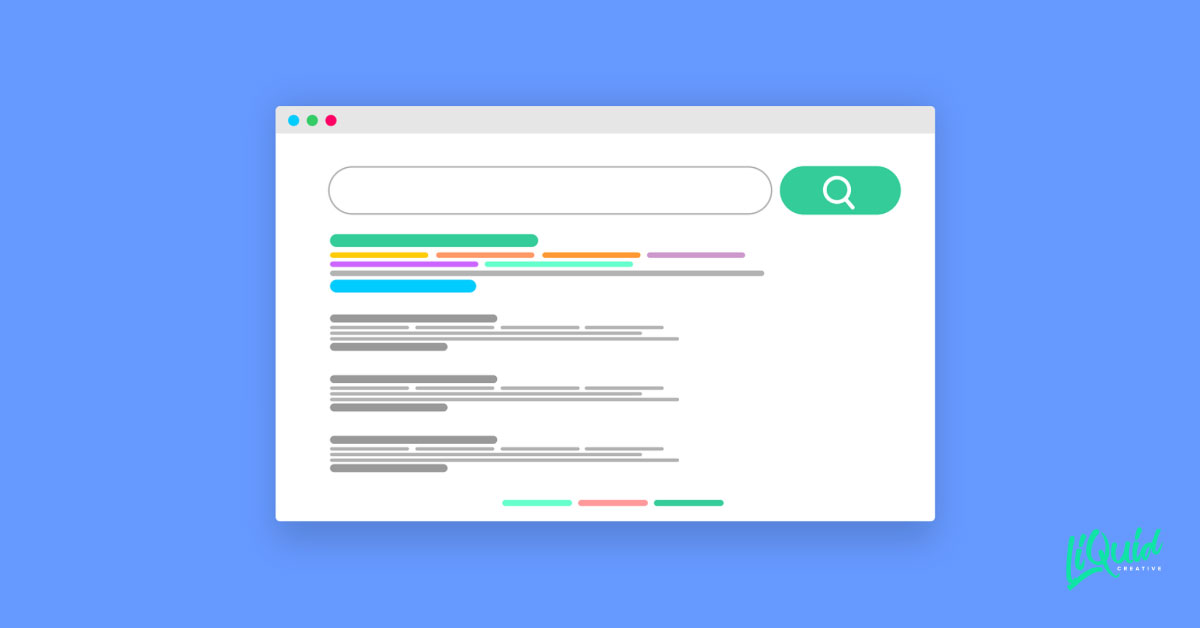
screenshot of google search example

Why Metadata Matters: Key Benefits for SEO and Organic Ranking

Metadata plays a pivotal role in how search engines evaluate and display web pages. Here’s why companies should never overlook the importance of meta titles and descriptions when creating, refreshing, or expanding their website.

Improved Search Engine Rankings

Search engines like Google use meta titles as a ranking factor to determine page relevance. A well-crafted, keyword-optimized title signals that the content is aligned with user queries. When search engines understand the topic and purpose of a page, they are more likely to rank it higher in relevant search results.

How It Helps:

  • Incorporating relevant keywords in the meta title increases the likelihood of ranking for those terms.
  • Clear, concise titles improve search engine understanding of the page’s focus.
Pro Tip: To boost search engine optimization (SEO), ensure each page has a unique and keyword-optimized title that mirrors the primary search intent.

Increased Click-Through Rates

A high-ranking page is only valuable if users click on it. Meta descriptions act as a persuasive call-to-action (CTA) that encourages users to engage with a page. A compelling meta description highlights the page’s value, increasing the chances of clicks from search engine results.

How It Helps:

  • Clear, enticing descriptions attract clicks by addressing user needs or offering solutions.
  • Higher CTRs signal to search engines that a page is valuable, which can boost rankings over time.
Pro Tip: Use actionable language, include target keywords naturally, and create a sense of urgency or curiosity to encourage clicks.

Better User Experience (UX) and Reduced Bounce Rates

When meta titles and descriptions accurately represent page content, users know what to expect upon clicking through. This alignment reduces bounce rates by ensuring that visitors find the information they’re looking for, enhancing overall user satisfaction.

How It Helps:

  • Relevant metadata keeps users engaged by matching their search intent.
  • Lower bounce rates contribute positively to SEO, signaling to search engines that the page is useful.
Pro Tip: Avoid misleading or overly vague metadata that can lead to high bounce rates and user frustration.

Enhanced Social Sharing and Brand Visibility

When pages are shared on social media platforms, meta titles and descriptions often populate as link previews. Optimizing these elements ensures that shared content appears attractive, engaging, and relevant to potential readers.

How It Helps:

  • Well-crafted meta information increases the likelihood of shares and clicks on social platforms.
  • Consistent, engaging meta content strengthens brand perception and authority.
Pro Tip: Use concise, emotionally compelling language in meta descriptions to encourage social engagement.

Greater Control Over How Your Content Appears in Search Results

Without optimized metadata, search engines may automatically generate titles and descriptions that may not accurately represent the page’s content. While providing meta details, optimized or otherwise, does not necessarily prevent search engines from generating their own descriptions and titles, it can limit the amount of less relevant, less engaging search snippets that reduce the likelihood of user engagement.

How It Helps:

  • Control the narrative and presentation of your content in search results.
  • Ensure the most relevant information is highlighted to attract target audiences.
Pro Tip: Customize meta titles and descriptions for each page to provide accurate and engaging search snippets.

Why Every Business Should Prioritize Metadata

Whether a company is launching a new website, undergoing a site refresh, or adding pages such as blogs, landing pages, or product listings, metadata optimization should be part of the process. Here’s why:

  • New Website Launch: Build a Strong SEO Foundation—When launching a website, meta titles and descriptions help search engines understand the site’s structure and content. A well-optimized website starts with clear, keyword-rich metadata. Ensure every page, from the homepage to individual service pages, has unique and optimized metadata.
  • Website Refresh: Stay Competitive in Search Results—Refreshing a site often involves updating content, redesigning layouts, or enhancing user experience. This is an ideal time to revisit and refine metadata to align with current SEO best practices. Conduct a metadata audit during a website refresh to identify outdated, duplicate, or missing meta titles and descriptions.
  • Adding New Pages: Maximize Content Visibility—Each new page, whether a blog post, product page, or landing page, is an opportunity to attract new traffic. By optimizing metadata, companies increase the visibility of these new pages and ensure they rank for relevant queries. Optimize meta titles and descriptions immediately after publishing new content to maximize search engine exposure.

Common Metadata Mistakes to Avoid

While optimizing metadata offers significant SEO advantages, companies should avoid common pitfalls that can undermine their efforts:

Duplicate Titles and Descriptions: Using the same meta information across multiple pages confuses search engines and dilutes ranking potential.
Keyword Stuffing: Overloading metadata with keywords makes it look spammy and can harm rankings.
Vague or Generic Metadata: Failing to provide clear, relevant information reduces CTR and engagement.
Length Errors: Meta titles should be around 50-60 characters, while meta descriptions should ideally stay under 155-160 characters to avoid truncation in search results.

Elevate Your SEO Strategy with Optimized Metadata

In a competitive digital landscape, meta titles and meta descriptions play a critical role in driving organic traffic and improving search engine rankings. Companies that prioritize metadata in their web development, redesign, and content expansion efforts position themselves for greater online visibility, higher engagement, and increased conversions.

By crafting compelling, keyword-rich meta titles and descriptions, businesses take control of how their content is presented to search engines and users alike—leading to better SEO performance and more meaningful interactions. Whether launching a new site, refreshing an existing one, or adding new pages, optimizing metadata should always be a top priority.

If all of this information sounds like Greek to you, don’t worry. We speak Greek! Not really, but we do understand metadata and how to code it.

code example for a paragraph

For all your website needs, including metadata and search engine optimization to help you rank higher in searches and bring your target audience to the yard, get in touch today. Liquid would love to work with you!

Earth Day Marketing for Small Businesses: Real-World Inspiration and Actionable Ideas (Even on a Budget)

Earth Day Marketing for Small Business: Real-World Inspiration and Actionable Ideas

Every year on April 22, Earth Day reminds us to think about protecting the environment—but for small businesses, it’s also a great opportunity to connect with customers around shared values.

The good news: You don’t need a big budget, national reach, or a complex campaign to make Earth Day meaningful for your brand. Even small, thoughtful actions can build customer trust, boost engagement, and showcase what makes your business different.

Below are practical Earth Day marketing ideas any small business can implement, plus real-world examples from larger brands and how you can adapt those approaches on a smaller scale.

Why Earth Day Marketing Is Worth It for Small Businesses

  • 85% of Gen Z and 84% of Millennials say that sustainability is important to them, making these two groups the most concerned about eco-friendly choices (Blue Yonder).
  • 80% of consumers are willing to pay more for products that are produced locally (TheRoundUp).
  • 78% of consumers feel that sustainability is important when making purchasing decisions (TheRoundUp).
  • 77% of consumers prefer to buy from brands that share their values, including a commitment to environmental responsibility (Havas Media Group).
Why Earth Day Marketing is Worth it for Small Businesses

In short:

  • Consumers are actively looking for businesses that care about sustainability.
  • They’re willing to pay more for products that align with these values.
  • Small businesses that embrace sustainable practices and share their efforts can win customer loyalty and increase revenue while also contributing to a greater cause.

1. Share Your Sustainability Journey—Big or Small

Why this works: People connect with real stories, not faceless brands. You don’t have to be fully sustainable—sharing where you are on the journey makes your brand more relatable.

Action steps for small businesses:

  • Post a personal story about why you care about environmental issues.
  • Share a small change you’ve made, such as switching to recycled packaging or working with local suppliers.
  • Be transparent about what you hope to improve next.

Big brand example:
Patagonia shares detailed reports on its efforts to reduce environmental harm and is open about what still needs work.

Small business takeaway:
You don’t need to be perfect—being open about small steps and goals builds trust and shows authenticity.

2. Run a Simple, Cause-Driven Promotion

Why this works: A limited-time offer tied to a meaningful cause can drive sales while showing your brand values.

Action steps for small businesses:

  • Donate a percentage of Earth Day sales to a local environmental organization—even $1 per sale makes a difference.
  • Offer discounts or perks (like free shipping) for customers who support you on Earth Day.
  • Create a special bundle of eco-friendly products or services for that day or week.

Big brand example:
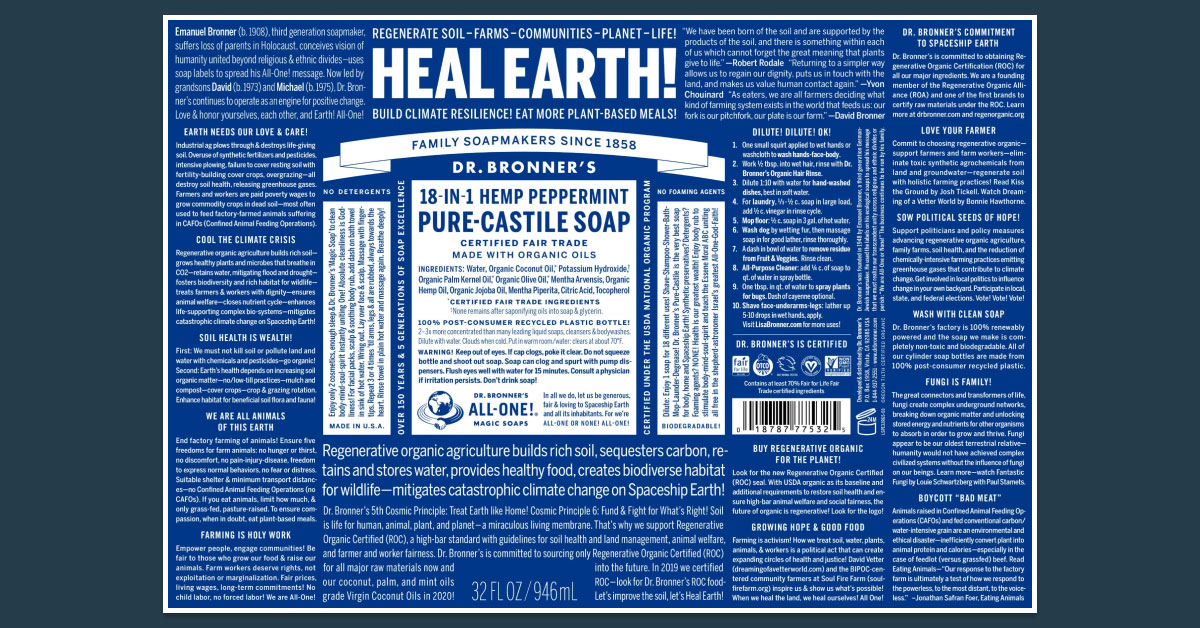
Dr. Bronner’s runs an annual “Heal Earth” campaign, donating part of its sales to environmental causes.

Heal Earth Campaign

Small business takeaway:
You can scale this idea to fit your size. Even small donations combined with clear messaging resonate with customers.

3. Educate and Inspire: Share Practical Eco-Tips

Why this works: Customers value helpful content and appreciate businesses that share useful, relevant tips.

Action steps for small businesses:

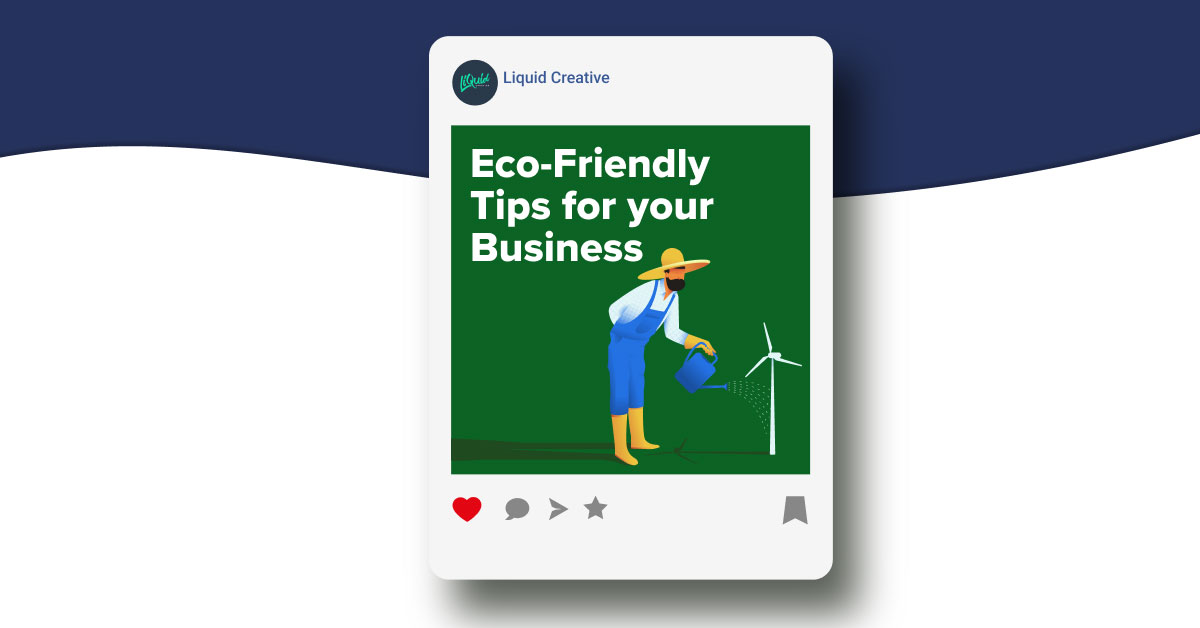
  • Share 3–5 eco-friendly tips related to your industry—for example, reducing waste at home, eco-friendly product swaps, or how to reuse packaging.
  • Post the tips as a simple social media graphic, carousel, video, or blog post.
  • Ask your customers to share their own tips and ideas to foster engagement.

Eco-Friendly Tips for your business

Big brand example:
IKEA regularly shares simple home organization and eco-living tips as part of its sustainability message.

Small business takeaway:
Focus on quick, actionable tips your audience can actually use and tie them back to what your business is doing.

Pro Tip: If you’re short on time, use Canva or similar free tools to turn your eco-friendly tips into quick social media graphics. A simple, well-designed post can drive more engagement than plain text—and you can reuse it for stories, reels, and emails.

4. Partner with a Local Business for a Simple Earth Day Collaboration

Why this works: Partnering with another small business can expand your reach, build community, and strengthen your message.

Action steps for small businesses:

  • Team up with a complementary business to offer an Earth Day product or service bundle.
  • Host a joint giveaway featuring products or services with an eco-friendly focus.
  • Co-host a short online event, like an Instagram Live, discussing how your businesses are working toward sustainability.

Big brand example:
Adidas partnered with Parley for the Oceans to create shoes made from recycled ocean plastic, combining their expertise for a unique eco-focused product.

Small business takeaway:
A simple partnership with a local shop, café, or artisan can create buzz without extra cost—it’s about mutual support and shared values.

woman and man at the counter of a store

5. Commit to One New Eco-Friendly Business Practice (and Share It)

Why this works: Customers value brands that take real action. Announcing a new eco-friendly practice makes your commitment visible and transparent.

Action steps for small businesses:

  • Switch to recycled, compostable, or minimal packaging.
  • Offer digital receipts and invoices instead of printed.
  • Start sourcing products locally to reduce shipping emissions.
  • Launch a return or refill program for product packaging.

Big brand example:
Starbucks announced its commitment to reduce disposable cups and encourage reusable ones as part of its Earth Day initiatives.

Small business takeaway:
Small, concrete steps show customers that you’re serious about making a difference. Even simple changes can become part of your brand story and inspire others to follow your lead. It’s not about doing everything at once; it’s about showing real action in a way that fits your business.

Additional Earth Day Marketing Ideas for Small Businesses:

  • Host a local event or online workshop on simple sustainability practices.
  • Share behind-the-scenes content showing how you reduce waste or make eco-conscious decisions in your daily operations.
  • Encourage customer participation with an Earth Day photo challenge (e.g., “Show us your favorite eco-friendly habit”) and offer a small prize.

Final Takeaway: Keep It Simple, Honest, and Actionable

You don’t need a massive campaign to make Earth Day meaningful for your business. The key is to:

  • Be honest about where you are on your sustainability journey.
  • Take one real, actionable step toward being more eco-friendly—and share it with your customers.
  • Engage your community in the conversation.

Small, authentic actions often resonate more than big, flashy campaigns. Customers are looking for brands that align with their values, are transparent, and care about more than just profits.

Liquid Creative Can Help You Market with Purpose—This Earth Day and Beyond

Not sure how to turn these Earth Day ideas into real campaigns? Liquid Creative helps small businesses create authentic, value-driven marketing that connects with customers. Whether you need help with content creation, campaign strategy, or messaging, we’ll make sure your brand stands out and stays true to what you believe in.

Let’s chat about how we can bring your Earth Day (and year-round) marketing to life. Get in touch today!

March Madness & Marketing: How to Build A Winning Strategy

March Madness & Marketing: How to Build a Winning Strategy

March Madness is one of the most exciting sporting events of the year, bringing together 68 college basketball teams in a high-stakes, single-elimination tournament. Fans eagerly fill out brackets, root for underdogs, and celebrate thrilling moments of competition. But beyond the courts and the games, the tournament provides a masterclass in marketing strategy that businesses can use year-round. From audience engagement to creative storytelling, March Madness is packed with lessons that can help brands build strong, competitive marketing campaigns any time of the year.

Lesson 1: The Power of Storytelling

One of the biggest draws of March Madness is the compelling storylines—the Cinderella teams, the buzzer-beaters, and the dramatic comebacks. People connect with these stories on an emotional level, which keeps them invested.

Businesses can take inspiration from this by crafting strong brand narratives. For example, Nike’s “Find Your Greatness” campaign resonated with audiences because it told the stories of everyday athletes pushing their limits, just as March Madness highlights unexpected champions. Similarly, the Always “Like a Girl” campaign stood out because it told an authentic and powerful story that challenged industry norms.

How to Apply This Lesson:

  • Develop content that highlights your brand’s mission and values.
  • Use real customer experiences as case studies in your marketing.
  • Leverage video storytelling to create emotional connections.
  • Share behind-the-scenes footage of product development or company culture.
  • Create an ongoing content series featuring inspiring stories from your industry.
  • Use social media to engage your audience with personal stories that resonate.
  • Incorporate user-generated content into your marketing to showcase real experiences.

Lesson 2: Engage Your Audience Like a Fanbase

March Madness thrives on audience participation. Fans fill out brackets, debate predictions, and engage in the excitement together. Businesses can harness this kind of engagement by encouraging customers to actively participate in their brand experience.

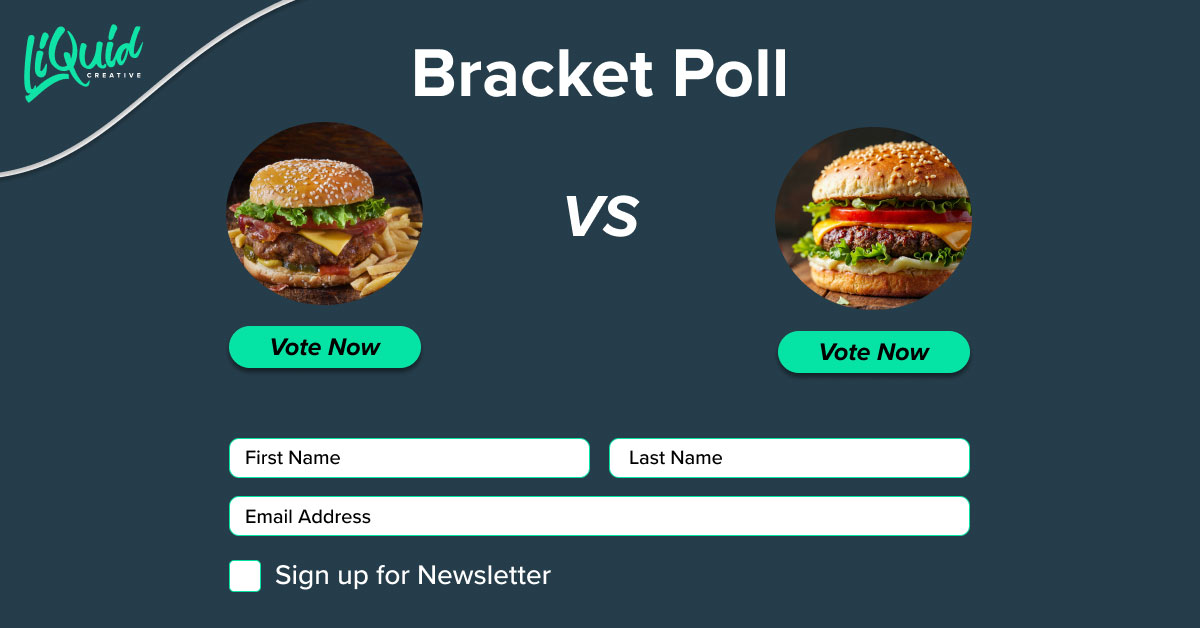
Bracket Poll Form

Interactive content such as polls, contests, user-generated campaigns, and loyalty programs can keep customers engaged, build a sense of community, and turn casual buyers into devoted brand advocates.

Take, for example, Starbucks’ “White Cup Contest,” where customers were invited to doodle designs on their coffee cups and submit them for a chance to be featured as a limited-edition cup design. This kind of interactive marketing makes customers feel like they’re a part of something bigger—just like filling out a March Madness bracket.

How to Apply This Lesson:

  • Create polls or “bracket challenges” where customers vote on products.
  • Encourage social media engagement with interactive posts.
  • Run exclusive loyalty programs that reward participation.
  • Build an online community where customers can interact.
  • Develop a referral program that incentivizes loyal customers to bring in friends.
  • Host live Q&A sessions or social media takeovers to drive engagement.
  • Offer interactive quizzes that help customers find the right product for them.

Lesson 3: Capitalize on FOMO (Fear of Missing Out)

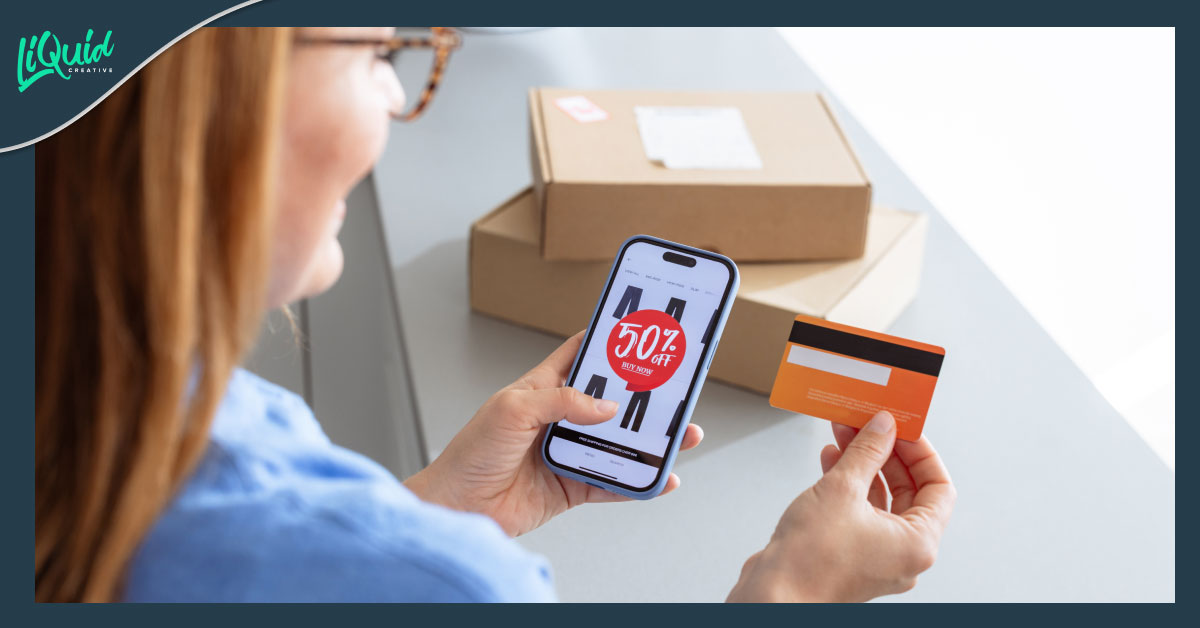
March Madness games are must-watch events. The single-elimination format creates urgency—if you miss a game, you miss history being made. Businesses can apply this strategy by creating limited-time offers, exclusive drops, or flash sales that drive urgency and excitement.

woman holding a phone with shopping deal on the screen holding her credit card

Brands like Amazon have mastered FOMO with events like Prime Day, where shoppers get access to limited-time deals, creating the same urgency and anticipation as March Madness matchups. Similarly, McDonald’s limited-time McRib release generates buzz every year, making customers feel like they have to act fast before it’s gone.

How to Apply This Lesson:

  • Use countdown timers in emails and on landing pages.
  • Offer flash sales or limited-time deals to create urgency.
  • Create exclusive member-only product launches.
  • Use “only a few left in stock” notifications to drive sales.
  • Leverage influencer marketing to build anticipation for new product releases.
  • Send personalized reminders when products are close to selling out.
  • Use SMS marketing for real-time, last-minute deal notifications.

Lesson 4: The Underdog Effect—Root for the Unexpected

Every year, an underdog team captures national attention by defying expectations. People love to rally behind a brand that surprises them or challenges the industry norms.

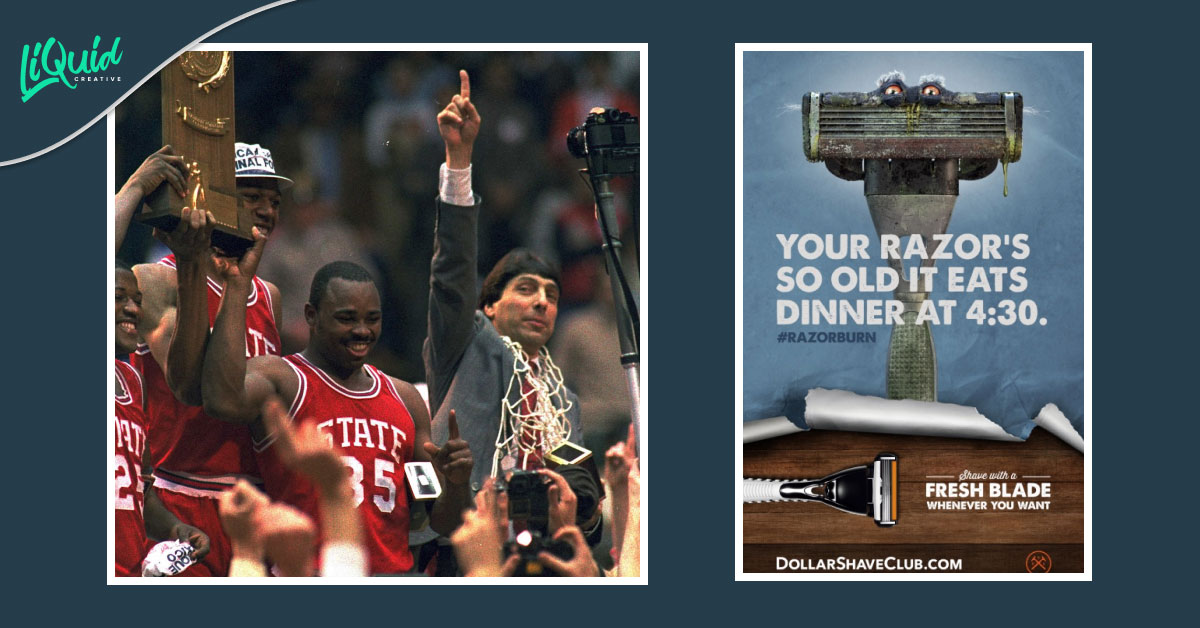
Side-by-side image of Dollar Shave Club ad and an underdog team

One of the best examples of this in marketing is Dollar Shave Club. The company disrupted the shaving industry with a bold, humorous video that went viral, challenging major competitors like Gillette. This underdog approach resonated with consumers and led to massive success.

How to Apply This Lesson:

  • Position your brand as an industry disruptor.
  • Share stories of overcoming challenges and perseverance.
  • Use grassroots marketing to build an authentic community.
  • Partner with influencers or advocates who embody your brand’s spirit.
  • Develop bold, humorous, or unconventional ad campaigns.
  • Engage directly with consumers through social media to create a personal brand identity.
  • Highlight your brand’s unique story and values to differentiate from competitors.

Final Thoughts: Take a Page from March Madness

March Madness isn’t just about basketball; it’s about passion, strategy, and resilience. Businesses that apply these same principles—storytelling, engagement, urgency, and disruption—can create marketing campaigns that stand out in any industry. Whether you’re launching a new product, revamping your brand strategy, or finding new ways to connect with your audience, these lessons provide a winning formula.

Slam Dunk Your Marketing Strategy with Liquid Creative

At Liquid Creative, we understand that great marketing is about more than just pushing a message—it’s about creating an experience. Just like the coaches of the teams in March Madness, we help businesses craft winning strategies that engage, excite, and convert.

Whether you need a bold storytelling approach like Nike, an interactive campaign like Starbucks, or a disruptive strategy like Dollar Shave Club, our team has the expertise to make your brand stand out. We specialize in crafting custom marketing playbooks that leverage the best insights from events like March Madness, ensuring your brand is always a step ahead of the competition.

Want to bring a championship-level strategy to your marketing? Let’s chat! Contact Liquid Creative today and let’s start building your game plan for success.

Valentine’s Day Best Practices Are Good for Marketing Too!

Valentine’s Day Best Practices Are Good for Marketing Too!

Did you know that Valentine’s Day and marketing have a lot in common? It’s true: Keep reading.

Valentine’s Day, celebrated annually on February 14, traces its origins to the ancient Roman festival of Lupercalia, a pagan celebration of fertility held in mid-February. By the late 5th century, Pope Gelasius I replaced Lupercalia with St. Valentine’s Day, honoring St. Valentine, a martyred priest who, according to legend, secretly married couples against Emperor Claudius II’s orders. Over the centuries, this day evolved into a celebration of love and romance, popularized in part by Geoffrey Chaucer in medieval England and later cemented in Western culture with the exchange of love notes and gifts.

In the United States, Valentine’s Day is marked by the exchange of cards, flowers, chocolates, and other tokens of affection. Greeting card sales experience a significant boost, with an estimated 190 million Valentine’s cards exchanged annually, making it the second most popular card-sending holiday after Christmas. Flowers, particularly red roses, symbolize love and are the most common gift, with over 250 million roses produced each year specifically for the holiday. Chocolates are another favorite, with Americans purchasing around 58 million pounds of chocolate during the Valentine’s season.

Dining out is also a beloved tradition, and February 14 ranks among the top three busiest nights for restaurant reservations in the United States. Couples flock to eateries, ranging from cozy bistros to fine dining establishments, to share a romantic meal. The holiday also boosts jewelry sales, with more than $6 billion spent annually on gifts like necklaces, rings, and bracelets.

Valentine’s Day continues to be a major economic driver and a cultural staple, bringing people together to celebrate love in all its forms, whether through grand gestures or simple acts of kindness.

So, what does Valentine’s Day have to do with marketing tactics? We’re glad you asked. Keep reading to find out two top connections between this “holiday” and winning marketing strategies.

One-Size Marketing Doesn’t Fit All

Noticing a need for change and being willing to make changes are two different skills—and both are vital to successful marketing (and business, and life).

A prime example of reading the room and doing something different is “Galentine’s Day,” a non-official holiday celebrated on February 13, the day before Valentine’s Day. It originated from the popular TV show Parks and Recreation, where the character Leslie Knope, played by Amy Poehler, coined the term during a 2010 episode. In the show, Leslie describes it as a day for “ladies celebrating ladies,” focusing on female friendship and camaraderie.

The concept quickly gained popularity in real life, and many people now observe Galentine’s Day by gathering with their female friends to enjoy brunch, exchange gifts, or simply spend quality time together.

Now, there’s also “Palentine’s Day,” derived from the word “pal,” meaning friend, to celebrate platonic relationships.

These adaptations are inclusive, fun ways for people who may not be in romantic relationships to participate in activities that strengthen bonds between friends.

If you rely on one marketing strategy to reach all of your clients or customers, you are going to miss the mark. Just a little tweak (like “val” to “gal” to “pal”) can increase your reach.

One-size beanies will help keep everyone’s head warm in the cold February weather, but there is usually more than one target audience for your company’s products and services.

The goal? Market research into demographics and psychographics, create user personas, and develop a marketing plan that addresses individual pain points and meets specific needs. How to do this? In the immortal words of Ross from Friends: Pivot! Pivot! Pivot!

Even if you have a great sketch (or plan), if you can’t pivot, it’s not going to work. Content that reaches one audience may not reach another. And a campaign that worked in one quarter may not work in the next, even for the exact same audience.

Pro Tip: Review the data, whether from Google analytics or consumer feedback, and revise the plan to better serve your intended audience.

In Marketing, Presentation Matters

Listening to your customers and adapting to their interests is vital, and it’s more than just knowing the products or services they need. It’s discovering the digital places they hang out and who they will listen to the most.

For example, does your audience primarily spend time on Facebook? LinkedIn? TikTok? These are very different social media platforms, each with their own set of best practices (and rules, even).

Does your audience like to read factual information from an objective voice, or do they crave scrollable memes and 15-second videos that make them laugh?

Think about Valentine’s Day again. There’s a big difference between handing a lover a plastic grocery bag with the gift unwrapped, price tags intact and wrapping the present in a beautiful gift bag with tissue paper or bows, ribbons, and balloons.

woman holding orange gift box with white ribbon with vase of roses

Presentation plays a crucial role in gift-giving because it enhances the emotional impact of the gesture, shows thoughtfulness, and elevates the overall experience for the recipient.

Bottom-line: Presentation matters. Here’s why it matters:

  1. First Impressions: The way a gift is presented creates the initial impression, setting the tone for how it is received. A beautifully wrapped package signals care and effort, building anticipation and making the moment more special.
  2. Shows Thoughtfulness: Taking the time to wrap or package a gift thoughtfully communicates that you’ve put effort into the gesture. It shows that the recipient is valued, and the gift is more than just an item—it’s an expression of your appreciation, love, or gratitude.
  3. Enhances the Experience: A well-presented gift transforms the act of giving into a memorable experience. The excitement of unwrapping a gift or discovering it hidden in an elegant box adds an element of surprise and delight, making the occasion more joyful.
  4. Attention to Detail Reflects Meaning: The presentation often reflects the giver’s attention to detail and consideration of the recipient’s preferences. Whether it’s wrapping paper in their favorite color or a ribbon tied with care, these details convey a deeper connection.
  5. Cultural and Social Etiquette: In many cultures, proper presentation is a sign of respect and courtesy. A carelessly presented gift may unintentionally send the message that the gesture was rushed or lacks sincerity.
  6. Lasting Impact: The aesthetic of a well-presented gift can leave a lasting impression. Recipients are more likely to remember not just the gift itself but the feeling it evoked when it was received.

Now go back and read those six reasons again . . . but, this time, think about them in connection to marketing. Think about how you’re presenting your product, brand, or company.

What does presentation have to do with marketing? EVERYTHING. For now, let’s just look at how it relates to social media.

Best Practices for Social Media Posts

If you’re not partnered with a marketing agency and don’t have an in-house social media manager, here are some best practices to follow when creating posts for social media. These practices will help your presentation, the first thing a user sees, and will also help your message land. The more hearts, the better!

social media icons with hearts and thumbs up

Research shows that marketers have approximately 3 to 7 seconds to make a strong first impression on social media. This time frame reflects how quickly users scroll through their feeds and decide whether to engage with content.

To maximize impact, marketers should focus on:

  • Eye-catching visuals: Use bold colors, high-quality images, or short videos.
  • Compelling headlines: Craft attention-grabbing copy that hooks the audience immediately.
  • Clear value propositions: Communicate the benefit or purpose of the post right away.
  • Concise content: Keep messages short and skimmable.

Platforms like Instagram, TikTok, and Facebook are particularly fast-paced, so prioritizing immediate engagement is key.

All content should be accurate, approachable, and engaging so that your company positions itself as THE ONE people turn to. Capitalize on trends when appropriate, but be sure to always sound like yourself. Authenticity matters to people, and it helps build trust around your brand.

Make sure your words, images, colors, tone, and even music all work together in support of the brand. Think of these components as ingredients: To make a delicious cake, complementary ingredients are measured in just the right amount and are mixed together to create depth of flavor.

Word Limits for Social Media—and Use of Emojis 🔥👀🚨

There are different rules and best practices based on platform, but here are a few suggestions for a few of the most popular social media apps.

  • Facebook: Personal, friends & family feel
    • Visual messaging is increasingly popular and “the algorithm” likes it
    • 50 words is a good cap for keeping readers engaged
    • Use emojis sparingly, typically at beginning or end of a line for accessibility reasons
    • Avoid hashtags and hyperlinks
  • Instagram: Personal feel but often used for businesses, influencers
    • Visual messaging is a must
    • 30 words or less
    • Emojis and hashtags welcome but don’t over do it
    • No links in post but you can put a link (like your website URL) in the bio or a timely link in the first comment if needed
  • LinkedIn: Professional orientation, used for business networking
    • 300 words is fine, longer copy is the norm, but still be mindful of “the scroll” and use engaging copy to get readers to click “read more”
    • Use emojis sparingly
    • Use carousel images to prevent TL;DR
    • Videos are becoming increasingly common

Liquid Creative Marketing Agency Is Your Full-Service Marketing Partner

From market research and user personas to effective strategies and tactics to social media management that increases brand awareness and creates leads, Liquid Creative does it all.

Get in touch today and see what we can do for you!

To Be the Best, You Gotta Beat the Best: Super Bowl Marketing Strategies Scaled to Fit Your Business

To Be the Best, You Gotta Beat the Best: Super Bowl Marketing Strategies Scaled to Fit Your Business

Ask around (family, friends, coworkers), and you’ll discover that people watch the Super Bowl for very different reasons.

Some people tune in even if their favorite team didn’t make the championship. Others want to see the exciting half-time show, and some people are just there to cheer on Taylor Swift’s boyfriend.

However, a large number of people look forward to watching the commercials—even more than the game—since the Super Bowl is a prime time for brands to unveil a new product or campaign.

Companies pull out all the stops to make the most of their super-expensive ad slot, knowing viewers will talk about the good, the bad, and the ugly (commercials, that is!) for weeks after the game ends. Sometimes, people remember an ad even longer than they recall who won the Lombardi.

Stats Don’t Lie: Reasons to Advertise

Super Bowl LVIII, held on February 11, 2024, became the most-watched program in American television history. The game, which saw the Kansas City Chiefs defeat the San Francisco 49ers in overtime, averaged 123.7 million viewers across television and streaming platforms, surpassing the previous year’s record of 115.1 million viewers. (Thanks for the bump, Tay!)

Additionally, more than 200 million viewers watched at least part of the broadcast, marking the highest unduplicated total audience in history and reflecting a 10% increase from the prior year.

The halftime show, headlined by Usher, peaked at 129.3 million viewers, further contributing to the event’s record-breaking viewership.

The game was televised by CBS, Nickelodeon, and Univision and streamed on Paramount+ as well as the NFL’s digital platforms. With that many people watching on that many platforms, it makes total sense (and beaucoup dollars) to cash in on some well-targeted advertising.

Winning Strategies Your Business Can Put in Play

Most businesses can’t spend $7M on a 30-second TV ad, while at the same time hiring a couple of A-list celebrities and spending some serious money producing a professional video.

While Super Bowl Ad ads are usually reserved for big brands that want to boost consumer awareness, at Liquid Creative, we love to look beyond the TV ad and see what big brands are doing with their campaign as a whole.

In this article, we share three actionable lessons gleaned from Super Bowl ads that any business can apply to improve their own marketing strategies.

Learning from the Best of the Best: Memorable Ads

Here are five of the most memorable commercials from Super Bowl games—each ad known for its creativity, humor, and emotional resonance. Do you have a favorite?

Apple’s “1984” (Super Bowl XVIII, 1984)

On January 24th, Apple Computer will introduce Macintosh. And you'll see why 1984 won't be like "1984".
Why it’s memorable: This ad, directed by Ridley Scott, introduced the Apple Macintosh computer. It reimagined George Orwell’s 1984 dystopia, showing Apple as the disruptor breaking conformity. It’s widely regarded as a turning point in advertising history.

Budweiser’s “Whassup?” (Super Bowl XXXIV, 2000)

Budwisser screenshot image
Why it’s memorable: A group of friends shouting “Whassup?” to each other over the phone became an iconic cultural catchphrase. The ad humorously captured friendship and casual moments.

Coca-Cola’s “Mean Joe Greene” (Super Bowl XIV, 1980)

coca-cola ad screenshot
Why it’s memorable: This heartfelt commercial featured football legend Mean Joe Greene softening his tough persona after a young fan offered him a Coke, making it one of the most touching sports-themed ads ever.

Snickers’ “You’re Not You When You’re Hungry” (Super Bowl XLIV, 2010)

Snickers ad screenshot
Why it’s memorable: Featuring Betty White humorously getting tackled in a football game, this ad launched Snickers’ successful long-running campaign about how hunger affects people.

Volkswagen’s “The Force” (Super Bowl XLV, 2011)

Volkswagen’s “The Force” ad snapshot
Why it’s memorable: A young boy dressed as Darth Vader tries to use “The Force” around his house. When his father uses a remote to start the Volkswagen Passat, the boy believes his powers worked. It’s a blend of humor and nostalgia.

Each of these ads has stood the test of time due to their storytelling, cultural impact, and memorable messages. People still remember them and talk about them to this day. How will 2025 ads score with audiences? Marketing pundits make their predictions.

Whassup With Your Marketing Strategies?

Any successful digital marketing relies on rhetoric, which is just a fancy term for “the art of persuasion.”

To determine which play you (or your astute marketing agency, ahem, we see you, Liquid!) draw up depends largely on your Target Audience, their needs, and what makes them take action.

The four most common types of rhetoric you’ll see in advertising are (take a look, you’ll never see commercials the same way):

  1. Ethos
  2. Pathos
  3. Logos
  4. Kairos

Don’t mind the fancy Greek. It’s because these tactics were first developed and taught by ancient philosophers. But every marketing team still uses them today.

Check it out—

  1. Ethos deals with credibility and trust. Ads that employ ethos often use recognizable figures that viewers will assume are authorities on the subject. It’s like what Dr. Martin Luther King, Jr. did when writing Letters from a Birmingham Jail. He was addressing Christian pastors, so his writing quoted the Bible quite a bit and often referenced Jesus—the authority figures his target audience would readily accept the most. Sometimes, ads just use famous people that aren’t really authority figures (is Lebron James a nutritionist with an expert palette for soft drinks?) but viewers fall for it anyway. Here’s one example: NBA players talking about shoes makes amateurs shell out hundos for their brand. Wanna play like Mike? Wear Mike’s clothes and shoes. This Gatorade ad featuring NBA stars Kevin Durant and Dwyane Wade suggests that Gatorade products will be a key factor in whether the Thunder or the Heat win the game.
  2. Pathos has to do with feelings—nothing more than feelings (HT: Morris Albert). Marketers can affect people’s feelings with a variety of strategies: humor, sadness, nostalgia, shock, and so forth. Just be sure to pick the strategy that aligns with the audience and the topic. Humor for a funeral home probably isn’t the most effective way to sell burial options. Just saying. It’s hard to forget this hilarious Kia ad starring Melissa McCarthy that first aired during the 2017 Super Bowl. Combining a ton of recognizable pop culture moments, including an energetic soundtrack, this commercial made viewers laugh and laugh. Light on the details about mileage or cost or safety ratings (things savvy car shoppers want to know), it was heavy on the humor—with a splash of feel-good impetus to protect the environment—which made it memorable and cemented “Kia” in people’s minds.
  3. Logos is all about logic. Think of rational arguments, charts and graphs, and lots and lots of statistics. If Pathos is employed to convince someone’s emotions, Logos is meant to convince their brain. Can you use both in the same marketing ad, email, newsletter, blog? Sure. Just use them wisely so your customers don’t feel jerked around. People who feel manipulated will be less likely to take your desired action. This commercial from Verizon is an overload of logos. Color-coded infographics on the screen, voiceover data, more stats and details flashing across the screen—all as if to convey: “If we have this much proof we’re the best option, you should believe we’re the best option.” [Liquid Creative wisely refrains from sharing our opinion on any of these ad promises.]
  4. Kairos (like most NFL coaches) is focused on the clock and time, time, time. The content needs to be timely, and it will probably also play on people’s FOMO. Like, you gotta do this NOW. Prime Minister Winston Churchill used this excellently with his famous “Now is the time…” refrain in his WWII “Their Finest Hour” speech. Think of all the car commercials with their insistent “this deal ends soon,” “hurry in now,” and “get it before it’s gone.” Or the super sad ASPCA ads that promise a tote or other reward if you’re one of the next 20 callers. President Barrack Obama recently used Kairos in a tweet/post on X.

A record 23.5 million Americans have signed up for healthcare through the Affordable Care Act. If you havent already, go to HealthCare.gov to sign up by January 15.

Put Me in, Coach! Three Plays to Help Your Brand Score

  1. Your campaign needs to be everywhere. A campaign is much more than an ad. Some of the most successful campaigns we see during a Super Bowl broadcast go beyond the 30-second TV commercial and expand to multiple platforms like social media, video platforms, digital ads, offline activities, and even viral trends. This is because brands need to be present in different touchpoints to reach their clients in multiple moments.
  2. Test and measure results—before, during, and after. Even if you apply the best creative strategies, you can never guarantee how your audience will react to your campaigns until you test them. Testing can be done prior to launching a campaign, during the campaign, or even after the campaign cycle has ended. If you want to test your campaign before you launch it, you can use focus groups to show your ad to a reduced sample of your target audience. Then improve the ad based on their feedback. Another option is to test your campaign once it’s launched. You can do that by doing an A/B test. This means creating two variations of your campaign and monitoring both in real time to determine which one performs best. After a period of time, stick with the winner. Finally, if your campaign is already running, check your own metrics and evaluate what worked best (and also what didn’t), so you can focus on what works and make improvements or changes in upcoming campaigns.
  3.  Include a Call-to-Action. Most Super Bowl ads are focused on creating brand awareness. Often, big companies simply need to remind consumers that their brand exists or what it has to offer. But small businesses need to be more actionable. Their campaigns need to motivate users to take a specific action—like visit a website, watch a video, or download an app. Later, you can track those actions and evaluate the effectiveness of a campaign. Rakuten, Limit Break, and Planters are three examples of recent Super Bowl ads with a specific, intentional call-to-action.

Rakuten Ads

Is It Time To Up Your Game?

Will you be watching the game this year? Super Bowl LIX will be played at Caesars Superdome in New Orleans, LA, on Sunday, Feb. 9. Kickoff is at 6:30 p.m ET, and Kendrick Lamar will be performing during the half-time show. Check out the commercials, and see how many uses of rhetoric you can spot!

The commercials that air during the Super Bowl have become almost as anticipated as the game itself. Even if your business can’t match an NFL-sized budget, we recommend you implement these game-changing marketing strategies and get your company a win. And if you need a teammate, pass the ball to Liquid Creative so we can help.

Making New Year’s Resolutions Stick: Practical Tips for Personal and Professional Success

Making New Year's Resolutions Stick

New Year’s resolutions are a beloved tradition, but let’s be real—many of us struggle to keep them. By February, the gym might feel like a distant memory, and those grand plans to save more or stress less? They somehow get lost in the shuffle of life.

But here’s the thing: Following through on resolutions isn’t about willpower alone. It’s about being practical, intentional, and strategic in how you set yourself up for success.

Here are some tried-and-true methods to help you keep your personal and professional resolutions in 2025.

Start With Small, Specific Goals

Ever notice how resolutions like “get fit” or “be happier” sound inspiring but rarely lead to action? That’s because they’re too vague. Instead of aiming to “get fit,” try, “I’ll go for a 30-minute walk three times a week.” Breaking your resolution into smaller, specific goals makes it feel less overwhelming and easier to tackle.

When you’re realistic about what you can achieve, it’s easier to build momentum. You don’t have to climb the whole mountain in January; just focus on taking the first few steps.

Write Your Resolution Down and Keep It Visible

There’s something powerful about putting pen to paper. Write your resolution somewhere you’ll see it daily—a sticky note on your laptop, a reminder on your phone, or a note under a fridge magnet. Seeing it regularly keeps it fresh in your mind and helps you stay focused.

Better yet, frame your resolution in positive language. Instead of saying, “Stop wasting money,” try, “Save $20 each week.” A positive spin can make your goal feel more exciting and achievable.

Use the Buddy System to Accomplish More

Accountability is a game-changer. Share your resolution with a friend or colleague who can cheer you on—or better yet, join you! If your goal is to exercise more, find a workout buddy. If you’re aiming to eat healthier, swap recipes and meal ideas.

Having someone to share the journey with makes it more fun and less lonely. Plus, knowing someone else is rooting for you (or checking in) can be the motivation you need to keep going.

Plan for Setbacks in Life and Business

Nobody’s perfect. Life gets busy, old habits sneak back in, and sometimes we just don’t feel like sticking to our plans. That’s okay.

Instead of letting a slip-up derail you, treat it as part of the process. Missed a week at the gym? Don’t give up—just pick up where you left off. Planning for setbacks ahead of time makes them feel less like failures and more like temporary detours.

Striving for excellence motivates you

Stack Your Habits to Achieve Your Goals

One of the easiest ways to keep a resolution is to attach it to something you already do. This is called “habit stacking,” and it works like magic.

For example, if your resolution is to drink more water, pair it with your morning coffee routine. Fill a glass of water while your coffee brews and drink it before your first sip of caffeine. Over time, the new habit will feel just as automatic as the old one.

Track Your Progress Throughout the Year

Seeing progress is incredibly motivating. Whether it’s a fitness app, a savings tracker, or a simple checklist, find a way to monitor your journey.

Celebrating small wins along the way—like hitting a weekly target or sticking to your goal for a month—can give you a sense of accomplishment and keep you excited about the bigger picture.

Reward Yourself for Any Achievement

Speaking of celebration, don’t forget to reward yourself! Resolutions shouldn’t feel like punishment; they should feel like opportunities to improve your life.

When you hit a milestone, treat yourself to something that aligns with your goal. For instance, if your resolution is to save money, maybe your reward is a small splurge on something you’ve been eyeing (just don’t break the bank and set yourself back). If it’s fitness-related, how about a new pair of workout shoes?

Check the Data, Revisit the Goal, and Adjust Metrics

Life changes, and so can your resolutions. If you set a goal in January but realize in March that it’s no longer serving you, it’s okay to adjust.

Think of your resolution as a living thing—something you can refine as you learn more about what works for you. Staying flexible doesn’t mean giving up; it means being smart about what’s realistic and beneficial.

Keep Your Focus on the “Why”

Why did you choose this resolution in the first place? Keeping the deeper purpose in mind can help you stay committed when motivation wanes.

For example, if your goal is to quit smoking, your “why” might be to have more energy for your kids or improve your longterm health. When the going gets tough, reconnecting with your “why” can reignite your determination.

All organizations start with why.


Every step forward—no matter how small—is something to be proud of.

Resolutions are about growth, not flawless execution. Even if you stumble, you’re still moving in the right direction, and that’s what matters most.

However, resolutions aren’t just for personal growth. The first quarter of the year is a crucial time for businesses. 

It’s the period when teams are energized to hit the ground running, and strategic initiatives begin to take shape. 


Meaningful KPIs

Common Q1 Goals for Businesses and Actionable Tips for Achieving Them

Many businesses set ambitious goals in Q1 to build momentum for the rest of the year. We’ve listed some of the most common goals to get you started or to see how your business stacks up. 

  • Revenue Growth and Sales Targets: Businesses often aim to start the year strong by increasing revenue or hitting specific sales benchmarks.
  • Customer Acquisition and Retention: Whether it’s bringing in new clients or retaining existing ones, businesses prioritize growing their customer base.
  • Budget and Financial Planning: Q1 is the time to finalize annual budgets and establish cost control measures to ensure financial health throughout the year.
  • Employee Training and Development: Many companies focus on upskilling their teams or onboarding new hires effectively during this period.
  • Operational Efficiency: Streamlining workflows, implementing new technologies, or improving processes is often a key focus to set the tone for productivity.
  • Marketing Campaign Launches: Fresh marketing initiatives—such as product launches, rebranding, or seasonal campaigns—often take center stage in Q1. Liquid Creative is the perfect partner to help you achieve your marketing goals!
  • Compliance and Reporting: For businesses with fiscal years that align with the calendar year, Q1 is a time for audits, tax preparation, and ensuring regulatory compliance.
A Practical Q1 Goal in action

Prioritizing Your Goals Is a KEY Part of Reaching Them

It’s tempting to tackle everything at once, but spreading resources too thin can lead to mediocre results. Identify two or three top priorities for Q1 and allocate resources accordingly.

First, set S.M.A.R.T. goals to ensure that Q1 objectives are Specific, Measurable, Achievable, Relevant, and Time-bound. For example, instead of saying, “Increase sales,” try “Increase Q1 sales by 10% compared to the previous quarter through targeted email campaigns.” Liquid Creative is the perfect partner for email campaigns!

Large goals can feel overwhelming. Break them into smaller, actionable tasks with clear deadlines. For instance, achieving a sales target might involve weekly call quotas, monthly performance reviews, and daily team check-ins.

Frequent check-ins allow teams to track progress, address roadblocks, and celebrate small wins. Agile practices like sprint planning or project reviews can keep everyone aligned.

Speaking of teamwork and alignment, each goal should have a designated “owner” responsible for driving it forward. Clear accountability ensures tasks don’t fall through the cracks and allows for better tracking of progress.

Use historical data to set realistic targets and monitor progress. For example, if customer acquisition is a goal, analyze which channels performed best in the past and double down on those strategies.

Unexpected challenges or market shifts may arise, so it’s crucial to be open to adjustments. Regularly revisit goals and pivot strategies as needed to stay on track.

Recognize and reward achievements, even if they’re incremental. Celebrating milestones boosts morale and keeps the team motivated to push toward the next target.

How Can Liquid Help You Reach Your Goals?

Q1 can set the tone for a productive and profitable year. By setting clear goals, staying organized, and maintaining flexibility, businesses can not only achieve their objectives but also build a strong foundation for success.

This year, let’s ditch the all-or-nothing mindset and focus on progress, positivity, and practical strategies. With these tips in your back pocket, 2025 could be the year your resolutions finally stick. You’ve got this!

If you want help setting goals for your company, identifying and articulating KPIs, or support to help you achieve your business resolutions, contact us today. Take an important step in the right direction: Make Liquid Creative your marketing partner for 2025!