The Year in Marketing: Trends That Defined 2025 (and What They Mean for 2026)
Another year, another whirlwind of trends, tools, and TikToks.
Marketing in 2025 wasn’t just about keeping up; it was about standing out in a landscape that evolved faster than ever.
From the rise of AI-assisted creativity to a renewed demand for authentic storytelling, the past 12 months have reshaped what it means to connect with audiences. As we look ahead to 2026, one thing is clear: brands that blend innovation with intention will lead the way.
Let’s rewind and unpack the marketing trends that defined 2025 and what they mean for your next big move.
1. AI Went from “Add-On” to Essential
It’s official: 2025 was the year AI stopped being a novelty and became a necessity.
Marketers moved beyond experimenting with chatbots or dabbling in AI-generated copy. Instead, they started integrating AI tools across their entire workflows—research, strategy, creative production, analytics, and automation.
AI helped teams work smarter, not just faster, turning endless data into meaningful insights and freeing up time for human creativity. Across industries, brands used AI to:
- Personalize content recommendations based on browsing behavior
- Predict trends and customer needs through data modeling
- Accelerate creative production with AI-assisted copy and design
- Automate ad optimization in real time for better ROI
One brand that demonstrates this shift especially well is Nike. The company’s SNKRS app uses predictive algorithms to anticipate what customers want before they even open the app. By analyzing purchase history, browsing habits, and engagement timing, SNKRS curates product drops and recommendations so personalized it feels like the app knows you.
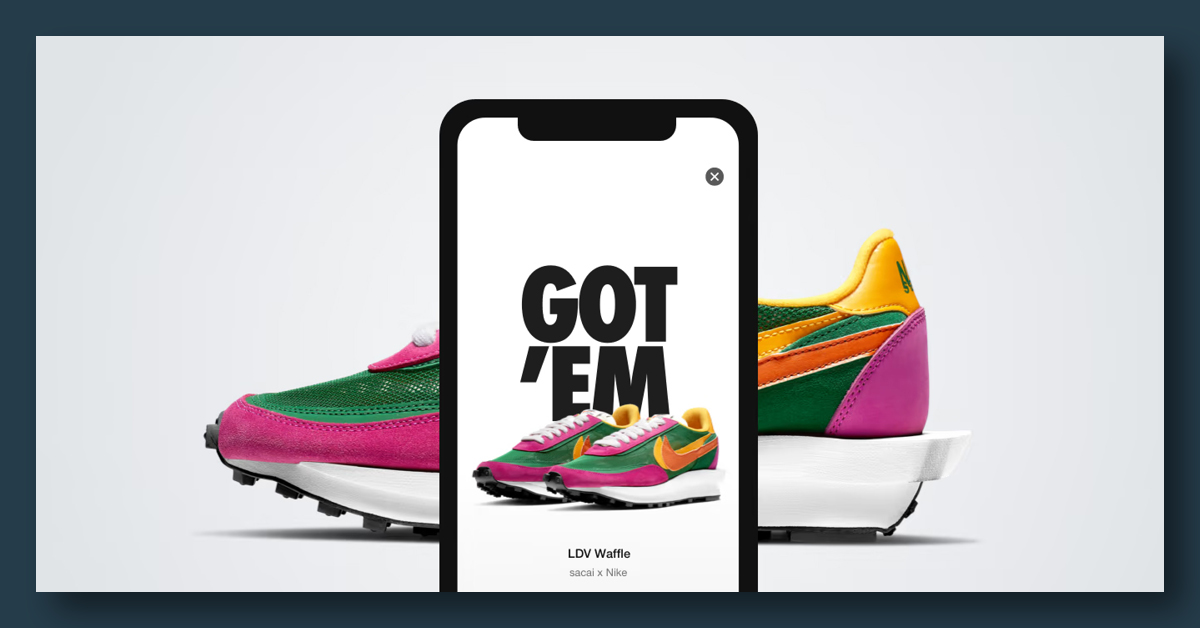
The takeaway? The best campaigns of 2025 weren’t just powered by AI—they were guided by empathy and intention. The real magic happens when human insight meets machine precision.
What it means for 2026:
AI integration is no longer optional. In 2026, the focus will shift toward AI governance, ethical use, and data transparency. Brands that balance automation with authenticity will rebuild trust—and those that don’t will feel robotic.
2. The Algorithm Shifted (Again)—But Engagement Stayed Human
This year brought another wave of algorithm updates across Meta, LinkedIn, and Google, all prioritizing quality over quantity.
Instead of pumping out endless posts, smart brands focused on depth, not volume—crafting content that sparked genuine conversation rather than chasing empty impressions. The platforms may have changed, but one thing stayed constant: people engage with people, not just posts.
In 2025, audiences rewarded brands that:
- Posted purpose-driven content that aligned with their mission
- Shared behind-the-scenes moments to show authenticity
- Partnered with creators and influencers who felt relatable
- Used interactive formats—polls, carousels, and quick videos—to boost engagement
One of the best examples of this shift came from Duolingo, whose quirky TikTok presence continued to dominate feeds. By leaning into humor, trending sounds, and a self-aware brand personality, Duolingo turned its mascot into a cultural icon—proof that genuine, human-centered storytelling wins the algorithm every time.
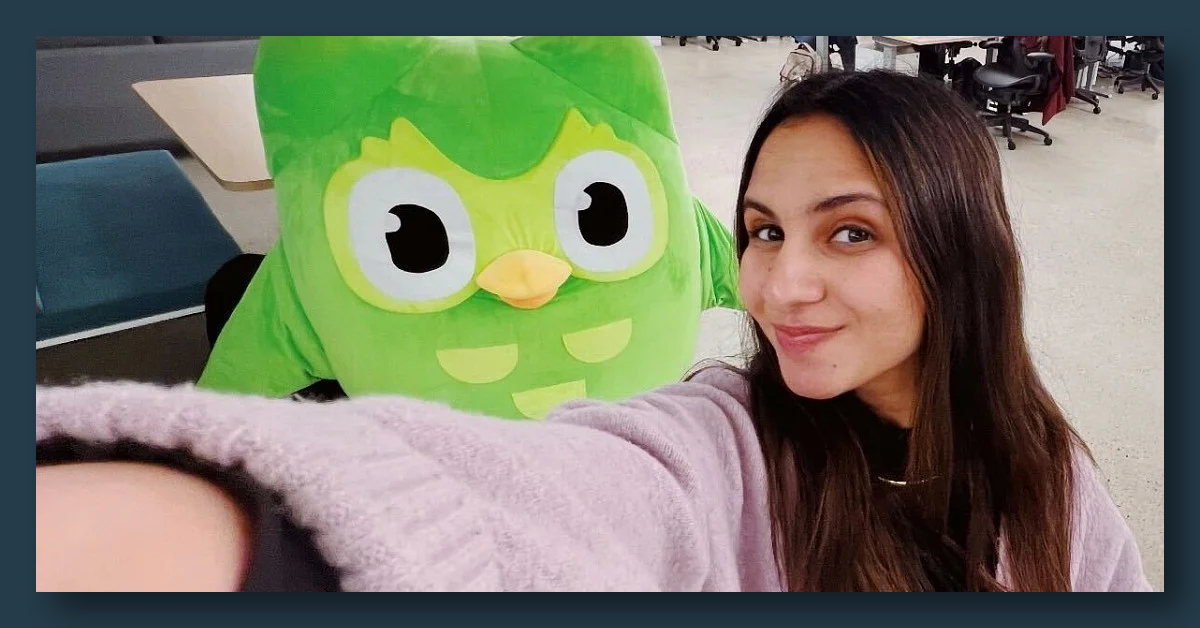
The takeaway? The platforms may prioritize engagement metrics, but the brands that thrive are those that act like humans, not marketers—listening, responding, and connecting in real time.
What it means for 2026:
Content calendars will get smarter, not busier. Brands that lead will be those that listen before they post, tailoring every piece to audience insights instead of assumptions. Expect “micro-moments”—short, human, and high-value interactions—to drive the biggest impact.
3. Short-Form Video Stayed King—But Quality Took the Throne
If 2024 was the year of posting more, 2025 was the year of posting better.
Short-form video ruled every platform, but audiences grew less tolerant of recycled trends and more drawn to intentional storytelling. The best videos weren’t flashy—they were focused. Whether it was a brand explaining their “why” in 15 seconds, a team showing their product in real-world use, or a founder hopping on camera to answer FAQs, clarity trumped choreography.
Then came Liquid Death’s “Safe For Work” Super Bowl ad—a tongue-in-cheek twist on that very idea. The spot mimicked the pacing and style of short-form social content, using humor and absurdity to cut through the noise in the most crowded ad moment of the year. It proved that even high-production campaigns can win when they feel quick, clever, and self-aware.
What it means for 2026:
Expect the rise of “snackable storytelling.” Videos will stay short, but they’ll be crafted with cinematic precision and clear messaging. Strong hooks and scripts will matter more than filters or viral audio.
As attention spans shrink, relevance becomes the real differentiator. It’s not just about what you say in a few seconds; it’s about saying the right thing to the right person. That’s where personalization takes center stage.
4. Personalization Went Beyond the First Name
2025 proved that personalization is about relevance, not just recognition. Brands began using behavioral and contextual data to create experiences that felt timely, helpful, and personal—without feeling invasive.
For example:
- Email campaigns adapted content blocks based on browsing history
- E-commerce sites adjusted offers based on real-time cart behavior
- Paid ads followed journey-based logic, not just demographics
The line between personalization and privacy got thinner, so transparency became the new trust currency.
What it means for 2026:
In the year ahead, we’ll see more focus on first-party data strategies and zero-party data (information customers willingly share). The takeaway? Make personalization mutual. Give users value in exchange for their information—like exclusive content, helpful tools, or meaningful recommendations.
5. Email Marketing Made a Comeback
Surprised? Many marketers were.
As social algorithms tightened and digital noise increased, email quietly re-emerged as one of the most reliable owned channels in 2025. But not the kind of email you sent five years ago.
This year’s successful brands treated the inbox like a conversation, not a megaphone. They used:
- Segmentation based on behavior, not just demographics
- Interactive email elements (like polls, carousels, and GIFs)
- Preference centers to empower users
- Strong storytelling and design synergy
The result: higher open rates, stronger loyalty, and fewer unsubscribes.
What it means for 2026:
Email will continue evolving into a content hub—an extension of your brand story that drives both awareness and conversion. The future of the inbox is clean, visual, and deeply personalized. And that same visual clarity carried through every touchpoint in 2025, from emails to brand design.
6. Design Trends Went Bold, Nostalgic, and Human
In 2025, design took a vibrant turn—literally.
Muted minimalism gave way to bold typography, saturated gradients, and nostalgic callbacks to the early 2000s. Brands tapped into emotion and memory to make digital experiences feel warmer, weirder, and more human again.
AI design tools may have democratized access, but they also raised the creative bar. The most memorable visuals weren’t the most complex; they were the most intentional, built around story and personality.
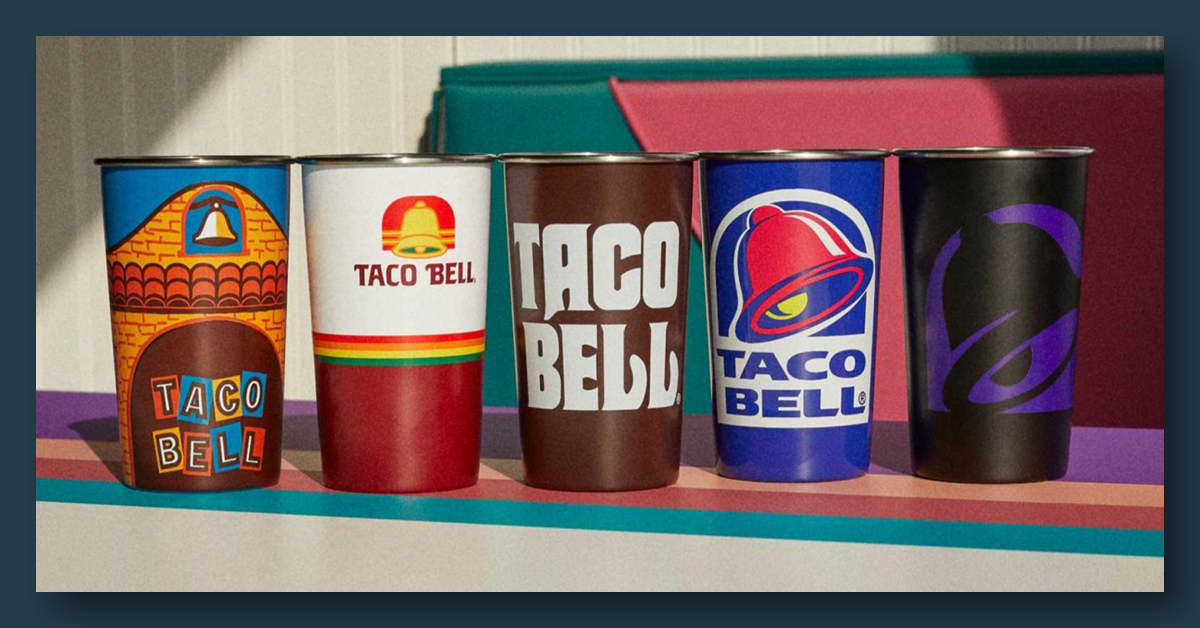
A fun example of this shift came from Taco Bell, which leaned fully into its retro roots with a Y2K-themed menu and visual refresh. Neon gradients, chrome details, and playful type transported fans straight back to the era of flip phones and mixtapes, showing how nostalgia, when done right, can feel both familiar and fresh.
What it means for 2026:
Expect the rise of “human-crafted minimalism”—designs that are clean but character-rich. Motion design, accessibility, and personality-driven branding will dominate. Static won’t cut it anymore; dynamic storytelling will.
7. Strategy Made Its Comeback Story
Maybe the biggest trend of 2025 wasn’t visual at all—it was strategic clarity.
After years of chasing platforms and trends, brands rediscovered the importance of building from the inside out: defining their message, audience, and goals before making a single post.
At Liquid Creative, we saw it firsthand. The brands that succeeded weren’t just creative; they were cohesive. Every campaign, post, and page tied back to a bigger narrative.
What it means for 2026:
This return to fundamentals will continue. With AI and automation handling the “busywork,” marketers will have more time to focus on what matters: strategy, storytelling, and substance.
Looking Ahead: Marketing in 2026
If 2025 was about acceleration, 2026 will be about alignment.
We’re moving into an era where clarity outperforms complexity. Audiences are smarter, algorithms are stricter, and attention spans are shorter. But great marketing still comes down to the same three things:
- Understanding your audience
- Communicating clearly
- Showing up consistently
The tools may evolve, but the goal remains the same—creating meaningful connections that move people to action.
Ready to Make 2026 Your Most Strategic Year Yet?
At Liquid Creative, we help brands cut through the noise with marketing that’s grounded in strategy and elevated by creativity. Whether you’re ready to refine your message, refresh your brand, or launch something new, we’ll help you build campaigns that stand out—and stand for something.
Let’s build what’s next. Contact Liquid Creative today.