facebook pixel

From Strategy to Success: Marketing Tips to Elevate Your Business

Strategy to Success: Marketing Tips for your Business

Summary: Here’s an easy-to-read 5,4,3,2,1 listicle to help business owners understand how effective marketing tactics can help grow your company and increase your sales.

In a competitive world, where every business is trying to stay afloat and get ahead, every business owner must be mindful of the budget and the bottomline.

There is a finite number of customers, and every company in your industry is vying for the same customers you are. What is going to convince a person or business to sign with you instead of someone else?

Differentiators in products? Maybe. A higher level of customer service? Probably. Honesty and transparency that prove your company can be trusted? Certainly.

But how do you communicate all of that with potential customers? Marketing.

Even though marketing is vital to the success of a company, many business owners aren’t completely sure what makes marketing effective or how to leverage marketing tactics to boost their brand.

That’s why we wrote this blog.

5 Things About Marketing Every Business Owner Should Know

  1. Know your target audience. Understanding who your customers are and what they want is the foundation of any successful marketing strategy. Create buyer personas that represent your ideal customers, based on demographics, behaviors, and needs. How do you do this? Research. But research includes talking to your target audience. Don’t just assume you know what they want. Ask them. And listen to what they tell you. 
  2. Consistency is key. Consistency in branding, messaging, and customer experience builds trust and recognition. Your logo, colors, tone of voice, and marketing channels should all reflect a cohesive image of your business to reinforce your brand identity and support your messaging. Indirect messaging is as important as direct messaging. We can say we care about circles, but if all we focus on or feature are squares, our intended message falls flat. 
  3. Content is essential. Quality content that provides value to your audience drives engagement and builds relationships. Whether it’s blog posts, social media updates, or videos, focus on educating, entertaining, or solving problems for your audience. We know you need to make money. People don’t go into business to go broke. Businesses that thrive are those that make sales. But if you only focus on sales and sales-y messaging, you will lose your audience. They want to feel like they matter more to you than their money does. Value them as people instead of dollar signs, and they will value your products. 
  4. Leverage data and analytics. While numbers don’t tell the whole story, it’s true that numbers don’t lie. So don’t ignore the data. Take time to track it, measure it, and analyze it. Use data to measure the success of your marketing efforts too. Track metrics like customer acquisition cost (CAC), return on investment (ROI), and conversion rates to refine strategies and allocate resources effectively.
  5. Customer experience drives loyalty. Great marketing isn’t just about acquiring new customers — retaining them is just as important. Provide an excellent customer experience that encourages repeat business and word-of-mouth referrals. This can be achieved through personalized marketing, excellent customer service, and a seamless user experience across all touchpoints.

4 Things Business Owners Tend to Misunderstand About Marketing

  1. Marketing is just advertising. Many business owners think marketing is solely about advertising or running promotions. In reality, marketing encompasses much more, including market research, branding, customer engagement, product development, and positioning. Advertising is just one part of a broader marketing strategy.
  2. Results should be immediate. Some business owners expect instant results from marketing efforts, especially digital campaigns. Effective marketing takes time to build brand awareness, establish trust, and nurture leads. Short-term campaigns can yield quick wins, but sustained success comes from long-term strategy and consistent efforts.
  3. More traffic equals more sales. It’s easy to assume that more website traffic or social media followers automatically leads to increased sales. However, quality matters more than quantity. The focus should be on attracting qualified leads — people who are likely to convert into paying customers — rather than just driving generic traffic.
  4. Anyone can handle marketing. Some business owners underestimate the complexity of marketing, believing that anyone in their company can handle it without specialized knowledge. In reality, effective marketing requires expertise in areas like consumer psychology, data analysis, content creation, SEO, and strategy. Underestimating the depth of experience and skill required for successful marketing can lead to missed opportunities and ineffective campaigns.

3 Things the Marketing Department Wishes They Could Tell Their Boss

  1. Everything takes longer than you think it does. Your marketing team (or person) may not tell you this, but they probably want to, so we’ll say it instead: Marketing needs time to show results. Nothing worth doing happens overnight. Everything is a process. Building brand awareness, cultivating customer trust, and generating leads take time. Consistently pushing for immediate ROI can undermine long-term success. A strategic marketing plan needs room to breathe and evolve to deliver sustainable results.
  2. Value quality over quantity in project tasking and budget allocation. Because everything takes time, and time is money, please loop in the marketing team during the ideation stage — not after big decisions that impact the entire company and its customers have already been made. Marketing wants to get it right the first time — for their own sense of accomplishment, to make their bosses happy, and for the good of the company. If you don’t have time to do it right the first time, you’re going to have to make even more time to fix it in the future. (And what a waste of money that will be.) Success isn’t always about spending more money but rather spending it wisely. Instead of allocating budget across multiple low-impact channels, it’s often more effective to focus on key strategies that align with the brand’s goals and target audience. Marketing teams need investment in quality content, tools, and talent to create campaigns that resonate.
  3. Data-driven decisions matter. Marketing decisions based on intuition or personal preference can be risky. Even if you’re the boss and have the final say about everything, going with an idea that came to you like a lightning bolt from the blue should get the same treatment as other ideas. Talk to key stakeholders. Listen to the people needed to bring the idea to life and the people who the idea will impact. Don’t make a final decision before you see what the data shows. The marketing team often relies on data — like customer behavior, market trends, and campaign performance metrics — to guide decisions. Encouraging a data-driven approach rather than gut-feeling decisions ensures more effective, measurable outcomes.

2 Top-Performing Marketing Tactics for Most Businesses

  1. Content Marketing, which includes blogs, videos, social media posts, and other valuable content, is highly effective for attracting, engaging, and retaining customers. By providing useful information and addressing the audience’s needs, businesses can build trust, showcase expertise, and establish a long-term relationship with potential customers.
  2. Email Marketing remains one of the highest-ROI tactics for businesses. It allows for personalized communication, nurtures leads, and engages existing customers with tailored promotions, product updates, or newsletters. When done right, email marketing is a direct and cost-effective way to convert prospects into paying customers and retain them.

1 Famous Thing David Ogilvy Said

In 1963, David Ogilvy, a British advertising executive widely regarded as one of the most influential figures in the history of advertising (move over, Don Draper; Ogilvy is the true “Father of Advertising,”), famously said, “The consumer isn’t a moron; she’s your wife.”

Today, we could replace the word “wife” with “husband,” “spouse,” “partner,” “S.O.,” or whatever, but the point remains. This statement reflects Ogilvy’s belief that advertisers should treat consumers with respect and intelligence, creating thoughtful and persuasive advertising rather than relying on gimmicks or condescension.

At Liquid Creative, we agree with Ogilvy. Using marketing best practices, we are primed to effectively deliver your company’s messaging to your target audience while treating youour valued customer — with the honesty, respect, and excellent service you deserve. 

Our in-house team of subject matter experts are ready to put this handy 5,4,3,2,1 blog guide to work for you. With clients from a wide range of industries, our agency takes the time to get to know your company, research your competition, and create a marketing strategy and plan that will reach your target audience. 

If you want help boosting your brand and sales, contact us today to see what we can do for you. 

A Handy Guide to Content Marketing Lingo

A Handy Guide to Marketing Lingo

It’s not just the marketing industry — every field has its own jargon, acronyms, and “language.” Knowing what’s what and how to speak the lingo as you move through different contexts and settings is often called “code-switching.”

With so many marketing terms that even agencies and marketers sometimes casually use words or phrases interchangeably, it can be challenging to understand the language well enough to accurately hire for the end product (AKA “deliverable”) you really want.

And if the person assigning the task and the person completing the task are using the same terminology to mean two different things, that’s gonna cost you time and money in the long run. So this blog provides an insider’s dictionary that will help you protect your business budget and better achieve your marketing goals.

What Is “Content Marketing”?

Content Marketing involves strategically planning, creating, and publishing content to promote your company, increase brand awareness, and generate business.

Generally speaking, “content marketing” covers a wide range of tasks that can be boiled down to this basic definition.

However, content marketing is less about explicit product advertising or time-specific promotional materials and more about a focused and concerted effort to attract a particular audience. The point is to engage with potential clients by consistently providing relevant and valuable content in order to build and maintain lasting relationships.

What Does “Content” Mean in Marketing?

In marketing, the term “content” typically refers to both words and images. These images can be any kind of visual element created with software programs (like Adobe InDesign, Canva, or CorelDRAW); they can also be organic or stock photography, video, and so forth.

If we want to be more technical, then instead of saying “content refers to both words and images,” we’d say content usually includes both copy and design. Some people might say that content includes both text and design.

However, people in other industries besides marketing, journalism, and publishing usually think of Xerox when the term “copy” is mentioned. And since the advent of cell phones, most people think of messaging apps when the word “text” is used.

So, if it helps, instead of fancy lingo like copy and text, just think of it as “words” for right now. And in this particular blog, we’re only going to focus on the words-side of “content” — not the visual graphic design part.

Hold On


But hold on! Don’t just think of “content” as written words requiring readers. Listeners and viewers are still influenced by words, because brand anchor videos or promo vids or podcasts or commercials are all born from scripts AKA words AKA content.

Got it? Great! We’re almost done.

Different Kinds of Digital Content or Print Collateral

Content is super important when it comes to marketing, even though it sometimes gets short shrift because folks are tempted to think they don’t need to hire a pro to write words. Too often, they save their marketing budget for graphic design or web development. After all, business owners and employees speak the language, so they can just write the words themselves!

It’s too simplistic and often a mistake to approach content this way. There are so many different kinds of content — each with its own specialized audience, purpose, tone, and style — that hiring a professional writer or a marketing agency with writers on staff is often the best way to achieve your business goals.

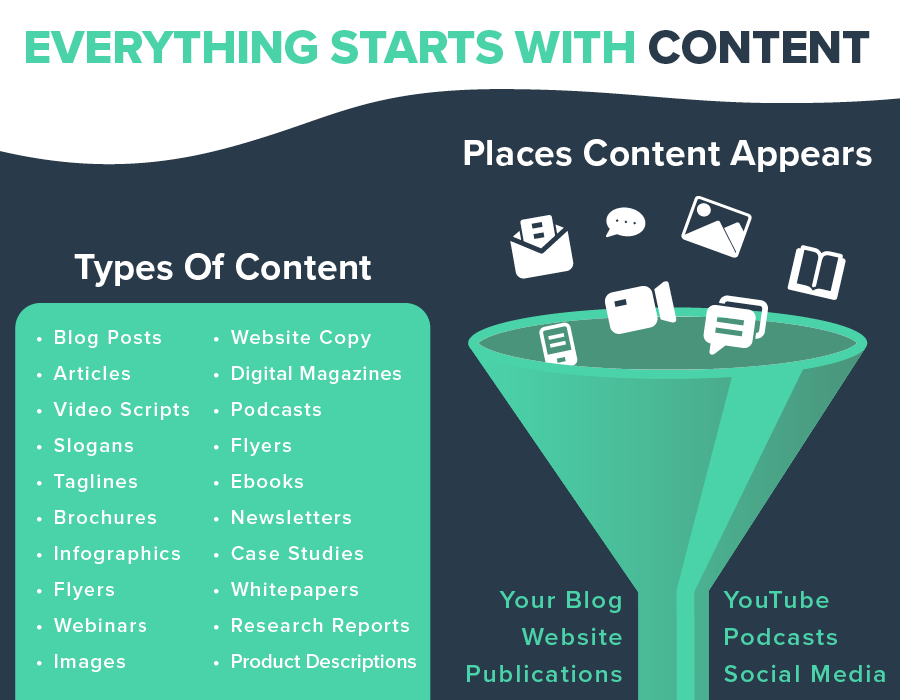
content marketing types and placements

The Difference Between Copywriting and Content Writing

Wait! Don’t confuse “copywrite” with “copyright.” The first term has to do with a professional writing words, and the second term is a legal designation protecting someone’s words as their property.

It’s important to understand the difference between content writing and copywriting, so that you assign the right scope of work (SOW) for your business aims.

Even though some marketers use “copywriting” and “content writing” interchangeably, they are not the same thing and result in different levels of writing for very different deliverables (AKA end products).

Here’s an Easy, though not exhaustive, infographic to help remember the distinction:
Copywriting Content Writing
Short Form usually requires less time, less research, and different skill set Long Form usually requires more time, intensive research, and different skill set
Promotional materials largely based on information received from the client and primarily used to persuade in one or more of the following ways: generate leads (lead gen), humanize a company, quickly build brand awareness or interest, etc. Brand-aligned digital or print materials largely based on research that incorporates multiple assets and is primarily used to explain a product or service, share detailed information about the company, build brand trust over time, engage or entertain the target audience, cultivate relationships that result in sales.
Examples:

Slogans & Taglines

Sales emails

Ad copy:

  • Pay-per-click (PPC)
  • Search ads
  • Display ads

Social media posts

  • Employee spotlights
  • Behind-the-scene photos
  • On location video shoots
  • Carousel ads & Stories ads

Brief web copy:

  • Value propositions
  • Image descriptions
  • Single landing page
  • Fillable forms
Examples:

  • Web content (full site)
  • Blogs posts
  • Articles
  • Digital newsletters
  • White papers
  • Case studies
  • Reports
  • Brochures
  • Flyers
  • Email campaigns


Ch-Ch-Ch-Ch-Changes

Similar distinguishing levels as those used in creating content also apply when making changes to the content. Often lumped together as “edits,” there is a difference between revising, editing, and proofing. Each level requires increased time and skill — and cost — so know what you want when hiring or adding these steps to your process cycle.

Revise: Global, big changes to overall direction of content. Example: Instead of writing about metal roofing, we’re going to write about bathroom remodels. Another Example: The client gives the writer a topic and perhaps an outline or rough draft and wants the writer to add new content or cut current content based on credible, relevant research.

Edit: Local, smaller changes that leave the overall direction of content intact and focus on grammar, diction, syntax, and other writing (technical) issues. Example: The original text from the client mixeds past tense and present tense, so the hired writer makes verbs consistent but doesn’t add or cut content.

Proof: Micro level typo corrections that anyone could/would spot and fix if they were in the project loop. (This step is sometimes called “QC” for “quality control.”) Examples: The year is 2022 instead of 2023. The page numbers are off. The word says “god” instead of “dog.”

How to Optimize Content for Search Engines — and More

No matter the type of content being written, it should be optimized for search engines (SEO) and published when and where it makes strategic sense according to market research. Wanna learn more about local SEO strategies? Check out the following articles: Get Found In Local Google Search Results and Stay in the Know About SEO: Upcoming Changes That Will Affect Your Ranking.

And regardless of the type of content you’re writing, it should be compelling, which means it should move the audience to an intended action that serves your overall business objectives. Stay tuned for next month’s blog, “The Six C’s of Compelling Content,” and discover how to ensure your content always hits the mark.

If you need marketing help in the meantime, Liquid Creative is always here.

Building Trust: The Importance of Establishing a Positive Online Reputation for Your Business

Building Trust: The Importance of Establishing a Positive Online Reputation for Your Business

With the rise of conspiracy theories, impressive AI capabilities, and realistic deep fake videos, the need to build trust online has never been more critical to your business success.Clients and consumers need to know who you are—who you really are—so they can have faith in your company and count on you to come through for them.

And so that if something were to go wrong (fingers crossed it doesn’t!) and your site or socials get hacked, you’ve already built a solid reputation people can trust.


It all starts with a trustworthy website

When it comes to establishing an online anything, you’ve got to start with a website. Start with a trustworthy website, and you will take a giant step toward establishing a positive online reputation for your business.

What’s a trustworthy website? A quality, professional, easy-to-navigate website that contains all the pertinent information about your business. (Custom photography instead of stock images always helps too because it shows the “real you.”)

Your website should be the backbone of your online presence, and for that to happen, it must feature:

  • Good Design: First impressions matter. Studies show that it takes a person less than one second to make a subconscious decision on how they perceive the credibility of a website.
  • Clear & Concise Messaging: After the first impression, you have only a couple moments more to present the brand. We recommend starting with a stellar value proposition, which is marketing-speak for one or two succinct sentences that sets you apart from your competitors by stating (front and center, big and bold, on the homepage):
    • who you are
    • what you do
    • where you do it
    • who you do it for (AKA target audience)
    • how people benefit by choosing you
  • Testimonials, Case Studies, Project Portfolios: Each of these are excellent ways to demonstrate that you not only talk the talk, but you also walk the walk. Any company can claim to be the best, but results don’t lie. If you’ve got ’em, use ’em.


Manage your local presence with Google Business Profile

With a Google Business Profile (GBP) a business can dictate the information displayed about them on all of Google’s services like reviews and maps. To learn how to set one up, check out this informative article from Business News Daily.

Of course, Google isn’t the only show in town. There are many other local citation platforms, like Bing Places for Business and Apple Business Connect. But with an online search market share of over 85%, you should probably focus on Google.

To prove you’re proud of your business and not afraid of what folks might say, you should encourage customers to leave reviews — especially happy customers. Unfortunately, research shows that people are more likely to take the time to visit your GBP to leave a negative review than a positive one. It’s just human nature; anger is a stronger motivator than happiness. Research also shows that it will take multiple positive comments to undo the damage of a negative comment.

Google Business Profile

What can you do to help yourself? You can respond to all reviews in a timely and professional manner. For the stinkers, offer an apology that doesn’t admit fault to any of the reviewer’s claims but does validate their feelings. For example, “We’re very sorry to hear this because we strive to offer top customer service.” Something nice deescalates the situation and goes a long way to putting out the fire.

Then offer a phone number, email address, or direct message option for them to get in touch with you. Try something like, “Please contact us directly so we can better understand what happened and work to make it right.” This takes the conversation out of the public eye, except that everyone else reading the reviews will see your proactive kindness and willingness to assist customers.

Handling positive reviews is easy — copy and paste those winners far and wide, sharing them on all your platforms, like your website or as part of social media post copy. This public proof from other people tooting your horn will help users trust your brand more.

Subscribe to our Newsletter
Monthly, easy-to-implement marketing tips to improve your website, social media, digital ads, cyber security, and more.

You need to be present — and active — on multiple platforms

Like it or not, social media is here to stay. Sure, there are different platforms that cater to different demographics, based on several factors such as age, gender, location, and needs. But statistics show that “the world spends roughly 11.5 billion hours using social platforms each day,” so it’s probably a good idea for your business to get on board.

Overview of Social Media Use

Source: “Global Social Media Statistics” DataReportal.com

Your absence on the important platforms will lower your brand’s credibility from a user perspective. Think about it: When you want to know about a new company, what do you usually do? You look them up online. And if they’re not on social media, 🚩🚩🚩❗

Here are some of the basic platforms you need (the list may increase or change depending on your industry and audience):

  • Your Website
  • Local Citation Platforms
  • Social Media Platforms
  • Search Engine Results
  • Review Sites

And, remember, don’t build it and forget it. You need to have an online presence, and you also need to be active online. Post to social media regularly, consistently update your website’s blog, and update images on your Google Business Profile.


Decide where to market your brand on social media

Now that you know you need to be present online and active on social media sites, the next logical question you’ll likely ask yourself is, Okay, but where? What is the right social media platform for my business? Great question!

It really depends on what kind of business you are, who your primary audience is, and what goods and/or services you are selling.

This infographic may help demonstrate what we mean, especially the second column “Follow or research brands and products”:

Social Media Ctivities by Platform

Source: “Global Social Media Statistics” DataReportal.com


Give your users a consistent experience across all your platforms

It’s not only important to be present on multiple digital platforms; it’s just as important to give users a consistent experience on all of them, since studies show that users expect a unified user experience from brands.

Since you have very little control over which platform will be a user’s first contact with your brand, make sure you’re following best practices on all of them. Two biggies are cohesive branding and consistent customer support.

  • Cohesive Branding: Create cohesive branding on multiple platforms. Users may quickly switch from your Google Business Profile to your website to your social media channels. Is your company’s brand the same on all of them? Staying consistent with your logo, tagline, colors, image style, content, and even the tone of your content will help the user trust your business more.
  • Consistent Customer Support: Be consistent with your customer support too. Can a user contact you on every platform? Are the contact options the same? Do you reply using a consistent modality with consistent content whether the customer calls on the phone, sends an email, fills out a form on your website, direct messages your Instagram account, or comments on your Facebook post? Failing to provide the same quality experience across all platforms can cause customers to lose trust in your brand.


Show-and-tell isn’t just a game children play

It’s a common refrain in writing workshops: “Show. Don’t Tell.” Successful authors and script writers know that too many words can weigh the reader down or bore the viewer enough to lose interest. Then the user is off to something else before you get your point across. Even Elvis asked for “a little less conversation, a little more action, please.”

But in marketing, you want to show AND tell. Aligning words with images/video is another way to keep your branding cohesive. It also adds interest for your viewers, since some people learn by reading, and others are visual learners or auditory learners. When you show AND tell, you satisfy more people with your content.

Most likely, you’re competing with multiple companies that offer similar services or products. In the eye of a new customer that is evaluating multiple brands, how can you stand out and create more trust? One way is to show what you do.

Here are few items can show to increase engagement:

  • Post case studies on your website. They don’t need to be long — just long enough to explain the problem the client faced, how you solved it, and the positive results of your work. Here’s a case study example to help.
  • You can also use your social media channels to share behind-the-scenes images or before-and-after videos of projects you’ve successfully completed.
  • Show pictures of your team on the About Us page of your website. This humanizes a company and helps build trust.
  • Create walk-through or explainer videos. Here’s one example of a walk-through video.
  • Demo videos are a powerful way to show potential customers how to use your product in a couple of minutes, which will increase their user-confidence and lead to more sales.
  • Include a project or client list on your website. This will boost credibility, showing what you’ve done and who you’ve worked with.


Say What You Mean. Mean What You Say. And Say It Over & Over Again.

It’s a common adage that it takes years to build trust and only seconds to break it. The most important thing in business isn’t profit — it’s telling the truth. If your company is trustworthy, and you offer a quality product at a competitive price, and you successfully tell people about it (AKA marketing!), profit will happen more naturally than you think.

It’s key to say what you mean and mean what you say. And to say the same thing over and over again on all your channels — whether that’s print, online, or in person.

If you somehow get it wrong (we’re human, it happens!), take ownership for the mistake. It’s not very often in this modern world that people, much less companies, take personal responsibility and authentically apologize for something. But that’s all part of excellent customer service, isn’t it? And customer service is vital to building trust and the type of reputation that lasts a lifetime.

These are just a few strategies that will help you build trust and establish a positive online reputation for your business. Start putting them into practice as soon as possible. And if you need help building a cool and trustworthy website, starting a presence on multiple online platforms, or creating a unified user experience across all your existing platforms, contact Liquid Creative today. We’re here to grow your business!

Marketing Money: Where, How, & How Much to Invest

Marketing Money: Where, How, and How Much to Invest


You’ve probably heard the phrase tossed around the office or on social media, but to be clear—a “marketing spend” refers to how much money a business allocates within their operating budget to marketing efforts, which can include Google advertising, social media and email campaigns.

For many business owners, deciding how much money to dedicate to marketing can be a challenging task. Some view marketing expenses as an added cost, rather than an investment vital to their future success.

We know how quickly expenses add up, but if you understand marketing as a necessary investment, it will change the way you feel about marketing spends. And when you see return on your investment, you will be glad you earmarked some of your budget money as marketing moola.

With the right approach and guidance, a well-planned marketing campaign is one of the most powerful tools for attracting new customers, building brand awareness, and ultimately driving business growth.

Determine your marketing budget as a percentage of revenue
What to include in a marketing budget
Make the most of your marketing budget
How much money to invest in each type of campaign


Determine your marketing budget as a percentage of revenue

According to recent HubSpot research, “The amount of revenue businesses allocate to marketing has grown over the past 12 years, with the average at 8.7% of overall company revenue in 2022.

“B2B product industries allocate, on average, roughly 7.8% of revenue to marketing. This is similar to B2C services (6.5%) and B2B services (5.9%). B2C Product allocates the highest amount at 15.1% of total revenue.

“Small businesses are also spending. In a survey of 85 small business owners and marketers, 52% said they’re spending $5–$15,000 per month on marketing.”

How much you allocate will depend on your annual revenue and the type of industry you’re in. Learn more about budgeting by industry.

Marketing Budget by IndustryWhat is the size of your small business Monthly Marketing Budget


What to include in a marketing budget

There’s no secret sauce to a successful marketing campaign because each one will differ business to business. There are staples to consider, sure, but you can’t go out and copy what someone else did and expect it to work miracles. Instead, carefully evaluate the following items and their impact on your overall marketing goals—that’s how the magic happens.

  • Advertising spend: This includes paid advertising on various platforms, such as Google Ads, social media ads, display ads, and video ads.
  • Printed materials: This includes creating and printing brochures, flyers, business cards, posters, and other marketing collateral.
  • In-house team salaries: If you have an in-house marketing team, you’ll need to budget for their salaries and benefits. However, many businesses do not include these expenses as part of their marketing budget.
  • Freelance-marketers: Depending on your strategy and your in-house team, you may need to hire separate freelancers for design, content creation, video production, campaign management, etc.
  • Events and trade shows: If you plan on attending industry events or trade shows, you’ll need to budget for booth rentals, promotional materials, and travel expenses.

If you’re working with a marketing agency, you’ll need to budget for their fees, which can vary depending on the scope of work. The following spends are usually covered as part of a monthly fee when you work with a marketing agency:

  • Software and tools: You may need to invest in marketing automation software, email marketing platforms, or other tools to support your marketing efforts. Most of those costs are already covered when hiring a firm.
  • Content creation: Creating blog posts, videos, social media content, and other forms of content to engage with your target audience.
  • Research and data analysis: You may need to invest in market research, data analysis, and customer insights to inform your marketing strategy.
  • Website and SEO: Website design and development, search engine optimization (SEO), and website hosting fees.
  • Social media management: Managing and growing your social media presence, including content creation, community management, and social media advertising.
  • Public relations: Managing your company’s public image, developing media relations, and executing PR campaigns.
  • Email marketing: Creating and sending email campaigns to your subscribers, managing your email list, and tracking email marketing metrics.
Subscribe to our Newsletter
Monthly, easy-to-implement marketing tips to improve your website, social media, digital ads, cyber security, and more.


Make the most of your marketing budget

Once you’ve decided on a marketing budget, you need to know where to invest your money to get the best results. We’re not talking about the stock market (or Google; although, if you have a time machine to the 1990s, for sure invest in Google!) You, or the agency you’ve hired, should choose campaigns and platforms based on the goals of your particular marketing strategy. Here are some of the most common strategies that deliver great return on investment.

  • Website design: As the foundation for most digital marketing strategies, building or redesigning your website is crucial. Your website must be visually appealing, user-friendly, and optimized for search engines and conversions. It needs to have clear call to actions (CTAs) to turn visitors into leads.
  • Pay-Per-Click (PPC) advertising: Paid search ads can be highly targeted and quickly drive traffic to your website or landing pages. They target people who are actively looking for your product or services. The most well known platforms are Google Ads and Microsoft Ads.
  • Social media advertising: Social media platforms offer a variety of advertising options to reach your target audience, create engagement, and build brand awareness. Take advantage of the information that platforms like Facebook, Instagram, LinkedIn, and Twitter already have about their audience to help you target the specific audience you are looking for.
  • Email marketing: Building an email list and sending regular newsletters and promotional offers can help you stay top-of-mind with your customers and drive conversions.
  • Content marketing: Creating high-quality content such as blog posts, digital newsletters, and infographics can help attract and engage your target audience.
  • Video marketing: Creating engaging videos and using video ads can help you connect with your target audience and drive conversions.


How much money to invest in each type of campaign

There is no standard solution or blanket advice to tell you how much money to invest in different campaigns. The answer for you greatly depends on your goals and strategy, as well as where your target audience is. It’s usually recommended to strike a balance between lead generation ads and brand awareness ads, as they are the two most important pillars of a campaign.

If you’re a new company, awareness campaigns are crucial to introduce your product and lodge your brand in your audience’s mind. These are visual campaigns that include graphics, animations, and videos that run as social media ads, Google Display ads, and video ads. “Out of sight, out of mind,” isn’t just something people say. It’s true! So make it work for you!

If you’re a well-known brand, then you can tilt the scale of your budget more into lead ads. The most common lead ads are Google and Microsoft search ads because they show up when a user is actively searching for what you have to offer. Social media platforms like Facebook, Instagram, and LinkedIn also offer lead-generation ads when users fill in a form directly on the platform—without even visiting your website.

If you need help prioritizing your needs or specific information on how to decide where and how much to invest in marketing, Liquid Creative can help. Contact us today to plan next steps for your marketing strategy and make the magic happen!

What your business can learn from Super Bowl ads, and how to apply the tactics to your own marketing strategies

What your business can learn from Super Bowl ads, and how to apply the tactics to your own marketing strategies

Most small businesses can’t spend $7M on a 30-second TV ad, while at the same time hiring a couple of A-list celebrities and spending some serious money producing a professional video.

While Super Bowl Ad ads are usually reserved for big brands that want to boost consumer awareness, we at Liquid Creative love to look beyond the TV ad and see what big brands are doing with their whole campaign.

In this article, we share four actionable lessons gleaned from Super Bowl ads that any business can apply to improve their own marketing strategies.

Four winning digital marketing strategies small businesses can put in play

Your campaign needs to be everywhere

A campaign is much more than an ad. Some of the most successful campaigns we saw during the Super Bowl broadcast went beyond that 30-second TV commercial and expanded to multiple platforms like social media, video platforms, digital ads, offline activities, and even viral trends. This is because brands need to be present in different touchpoints to reach their clients in multiple moments.

For example, PopCorners was present with their “Breaking Good” campaign on multiple platforms and ad formats, including social media, website, YouTube channel, and on video and search ads. Their campaign was also active before, during, and after the game.

PopCorners Breaking Good Super Bowl Commercial Marketing Ads Breaking Bad

Test and measure results – before, during, and after

Even if you apply the best creative strategies, you can never guarantee how your audience will react to your campaigns until you test them. Testing can be done previous to launching a campaign, during the campaign, or even after the campaign cycle has ended.

If you want to test your campaign before you launch it, you can use focus groups to show your ad to a reduced sample of your target audience. Then you improve the ad based on their feedback.

Another option is to test your campaign once it’s launched. You can do that by doing an A/B test. This means creating two variations of your campaign and monitoring both in real time to determine which one performs best. After a period of time, you stick with the winner.

Finally, if your campaign is already running, check your own metrics and evaluate what worked best (and also what didn’t), so you can focus on what works and make improvements or changes in upcoming campaigns.

For example, Anheuser-Busch ran their Busch Light campaigns in front of focus groups and improved details of their commercials based on feedback before creating the final ad. They checked to see if the message was clear, if the ad was entertaining, and if the brand was recognizable.

Busch Light Super Bowl Ad Marketing

Graphics from Anheuser-Busch / iSpotTV

Subscribe to our Newsletter
Monthly, easy-to-implement marketing tips to improve your website, social media, digital ads, cyber security, and more.

Include a Call-to-Action

Most Super Bowl ads are focused on creating brand awareness. Often, big companies simply need to remind consumers that their brand exists or what it has to offer. But small businesses need to be more actionable. Their campaigns need to motivate users to take a specific action – like visit a website, watch a video, or download an app. Later, you can track those actions and evaluate the effectiveness of a campaign.

Rakuten, Limit Break, and Planters are 3 examples of Super Bowl ads with a call-to-action.

Rakuten, Limit Break, and Planters Super Bowl Ads

Understand who your target audience is and what they are doing when engaging with your ads

Targeting the right audience is key to any marketing campaign. This usually means creating a demographic and psychographic profile of your audience. Demographics define things like age, sex, and geographic location. Psychographic defines things like your audience’s interests, personality, and lifestyle.

While all of these factors are important, you also need to understand where, when, and how your audience is going to engage with your campaign. Are they going to be busy and distracted, or relaxed and attentive? Are they actively looking for your service, or are you doing a cold reach?

Although commercials are an expected part of the Super Bowl, the average audience is not paying full attention. They are celebrating with friends, waiting for the game to resume, and in a heightened mood.

Joe Lennon, Vice President of Insights for Anheuser-Busch recognized this state of mind, which he described as, “a moment of cheers,” when “viewers expect Super Bowl level energy, so the [ad] must match the vibrancy.

Is it time to up your game?

The commercials that air during the Super Bowl have become almost as anticipated as the game itself. Even if your business can’t match an NFL-sized budget, we recommend you implement these four game-changing marketing strategies and get your company a win. And if you need help, pass the ball to Liquid Creative and we can help you.

Dark social: how your business can measure unmeasurable metrics

Dark social: how your business can measure unmeasurable metrics
You can’t manage what you can’t measure …well, you should.


Any business owner that has run a marketing campaign knows the importance of measuring results through valuable metrics. But not all metrics are created equal. They can go from the straight forward pageviews and cost-per-click to the more obscure word-of-mouth and brand-awareness. And in that world of hard-to-pin-down data is when a big part of the magic happens. That is dark social.


Also known as dark traffic or dark funnel, this concept tries to explain the kind of metrics that are not found on regular analytics software and can be difficult to turn into a KPI. The overwhelming amount of digital platforms we use each day is making it harder to track your user’s journey before they convert. As a result, dark social challenges businesses and agencies to look for a more creative approach to measure that valuable information and act accordingly.

In this article we will cover some of those strategies.

But, let’s start from the beginning.

Which marketing metrics are easy to measure

In most digital advertising campaigns, you have 3 key players: your website, social media, and digital ads. Companies need to know what users are doing on their website, how their digital ads are performing, and what engagement they are getting from their social media efforts.

Some of the most common metrics to evaluate are:

  • For websites: sessions, pageviews, conversion, engagement time, and traffic sources.
  • For digital ads: clicks, cost-per-click, conversions, click-through-rate, and impressions.
  • For social media: reach, clicks, comments, share, and everything that falls under “engagement”.

This can be turned into marketing objectives like “increase my website conversions by 20%” or “decrease my search ads CPC by 10%”.

Which marketing metrics are hard to measure?


Scenario #1

Let’s consider this scenario: your company shares a post about one of your services on Facebook. A user clicks on it, goes to your website, fills the contact form and hires you.

Was that social media post responsible for that sale? Absolutely. Is that something you can track? You bet it is!

These are the kind of actions you can track by combining metrics and by doing proper reporting. In a situation like this, you can end up knowing how many sales are directly attributable to your social media efforts.


Scenario #2

Let’s consider another version of that scenario: someone sees that same post on Facebook and it reminds them of a friend that might be interested, so they send it to them through a private message.That person reads the message, and likes the product so much they mention it to their partner. The partner searches for your website, looks for your phone number on Google Business Profile, calls you and ends up hiring you.

Is that Facebook post responsible for the sale? Yes, it still is. Is that something you can track? Well, hardly.

It’s in this world of social media messaging, word-of-mouth, peer recommendation, social proof, and platform-switching where a big part of your brand awareness is taking place.

Subscribe to our Newsletter
Monthly, easy-to-implement marketing tips to improve your website, social media, digital ads, cyber security, and more.

How can you measure these hard-to-measure metrics?

Although there is no foolproof way to do this, we share some helpful tips.

Use UTM codes to track the source of your website visits

You’ve probably seen them a thousand times, and click on them a thousand more, unaware that they were there. UTM codes are an extra line of characters you can add to the URL of your website when sharing it on places like social media post, QR codes, or digital ads. These characters don’t change the destination of your link, but they include additional “parameters” that can help you track information like the source or the campaign.

So, even though you are sharing the same page of your website, you should add different UTM codes when using it on different platforms, like a Facebook post, a Google Search ad, a YouTube Video or in a newsletter.


If someone clicks a link with a UTM code on your Facebook post, and shares it to a friend using a different platform, you can still track this new visit back to that original Facebook post.

You can use UTM codes when linking to your website on:

  • Social media
  • Digital Ads
  • Newsletters
  • QR codes

How to evaluate UTM parameters

You can check those parameters (source, medium, and campaign) on analytics tools like Google Analytics.

Here is a helpful campaign URL builder.

Ask your prospective client: How did you hear about us?

This simple question can deliver very interesting insights and it’s easy to implement. It can be included in places like your website’s contact forms, on surveys, over the phone, or when the user visits your store.

When you are running a marketing campaign, you are probably reaching users on many different platforms, like digital ads, social media, radio, tv, and billboards. It’s not uncommon that your user saw your brand in more than one placement.

When you ask a question like “how did you hear about us?”, you get to understand the placement that resonated better with the user.

At the same time, you can get additional sources that are not technically part of your campaign, like “recommended by a friend”.

Keep track of the answers

It doesn’t matter how and where you ask this question, it’s important to keep track of this information in a centralized document. This way, it will help you see a bigger picture.

Connect the dots

You need to find techniques to connect two or more seemingly unconnected metrics. For example: you air a TV commercial. That commercial is not clickable, but you see an uncommon increase in website visits after the commercial airs. Those extra clicks are most probably attributed to that TV commercial.

Another example is through the impact of social shares by influencers. You might see an unusual peak of visits on your website and after digging around, you find that an influential social media user shared a positive review of your brand on their social media channels and that drove more visits.


Dig deeper

With most metrics, you can dig deeper than the top layer of information. For example: you can see that 20% of your website traffic comes from LinkedIn. That is a useful metric on its own. But you can always do some further analysis and look at what kind of posts triggered more clicks, or at what time of the day you get more clicks, or if there is a relationship between how much your post is shared to the traffic it creates.


Look further away

If you see that you’ve received more, or less, visits than usual, without any change on your marketing budget. It’s time to evaluate external factors that may have had an impact on your results.

For example:

  • You have a new competitor, or an old competitor is stepping up their marketing efforts.
  • Important dates can directly affect your results. For example, learn how the holidays affect your digital campaigns.
  • Social and natural events: from economic turmoil to natural disasters.

Google Alerts

Google alerts is a free tool that allows you to add keywords and receive emails “alerts” when those words are mentioned on places like websites, articles, or videos. It’s a great tool to track when your company, product, or service are mentioned on other websites. And, yes, you can track your own name too.


Additional dark social considerations

Dark social teaches us that, even if we give our best effort, we will not be able to track every metric. That’s why we need to have the following approach to marketing.

Have a comprehensive marketing plan

In our competitive landscape, running a couple of Google Search Ads campaigns doesn’t cut it anymore. You need a comprehensive marketing plan tailored to your goals and how you want your business to grow. This includes offering a coherent brand experience on every touchpoint, from social media and digital ads, to the content on your website and the way you greet your clients at your company.

In these types of marketing ecosystems, you need to plan the role each platform will have in the overall experience, as well as how they interact with each other. This needs to be done in a deliberate and strategic manner.

Your brand needs to be everywhere

It’s a well known marketing principle that users need to interact with your brand 7 times before they become aware or act upon your call to action. Although it’s quite a generalization, it’s true that the more places your brand can engage with a customer, the more likely you are to reach them with your message.

Don’t put all your eggs in one, or few, baskets. And if your budget is limited, cherry pick the most important touchpoints based on understanding where your target audience moves.

Understand that the reach of a campaign goes further than its metrics

As we mentioned before, metrics are a valuable tool to evaluate your campaign. This, often real-time data can measure how your different campaigns are working. But it’s crucial to understand that the impact of your campaigns goes way beyond these metrics.

For example, if you run a Google Search campaign, you can measure the amount of clicks, cost per clicks, and even conversions directly attributable to that ad. Now, consider the following: a user that searched for your services, maybe didn’t click your ad right away, but that simple ad is part of a bigger awareness campaign. By seeing this ad, this person will have a better recollection of your brand the next time they see it somewhere else. And this will increase your chances of them engaging with you.

Want to start your comprehensive marketing campaign?

At Liquid Creative we love metrics and they area key aspect of every comprehensive marketing campaign we create for our clients. If you want to grow your business and are looking for a marketing strategy that includes website design, digital marketing, or video production, but that goes beyond these platforms in order to achieve results, give us a call.

Making Your Business Stand Out When Social Media Starts Blending Together

The social media game is all about accurately representing your business to current customers while branching out to grow new audiences. This week, we’re looking at changes to how you connect with your communities on Facebook and LinkedIn. Meanwhile, Twitter’s newest Fleet features are giving us another example of an evolving trend: Social media companies are abandoning their niches to compete for the largest audience.

Facebook Insists Gathering User Data Is Necessary to Promote Small Business 

Following its State of Small Business report, Facebook has turned its attention to highlighting how personalized ads promote small businesses. In its new initiative, Good Ideas Deserve to Be Found, Facebook showcases small businesses that have successfully used its personalized ads tools for an affordable, effective way to reach new people. The initiative also includes more information about privacy protections – including that your personal information, such as your name or contact information, will never be available to advertisers. In addition, Facebook continues to show its support for small businesses by simplifying its ads manager, waiving fees, and adding new features for restaurants to list dining options.

Facebook has taken many steps to assist small businesses facing pandemic-related challenges. However, it’s worth noting the Good Ideas Deserve to Be Found initiative seems to be a direct response to upcoming privacy protections from Apple. Starting this year, Apple’s operating systems will block apps from collecting data about how you use other apps, among other restrictions. Since about 45% of U.S. smartphone users are using iPhones, this presents a significant challenge for Facebook’s ability to gather user data for personalized ads. 

What does this mean for Gainesville Businesses?

The Good Ideas Deserve to Be Found initiative is a good reminder that personalized ads can be an effective way of reaching new audiences. If you need to brush up on how these ads work so you can use them, you can read more about Facebook advertising or how personalized ads are chosen. However, the audiences that these ads are able to reach might be changing soon. We’ll have to circle back later to see how the situation between Facebook and Apple shakes out.

LinkedIn Launches 3 New Business-Focused Features

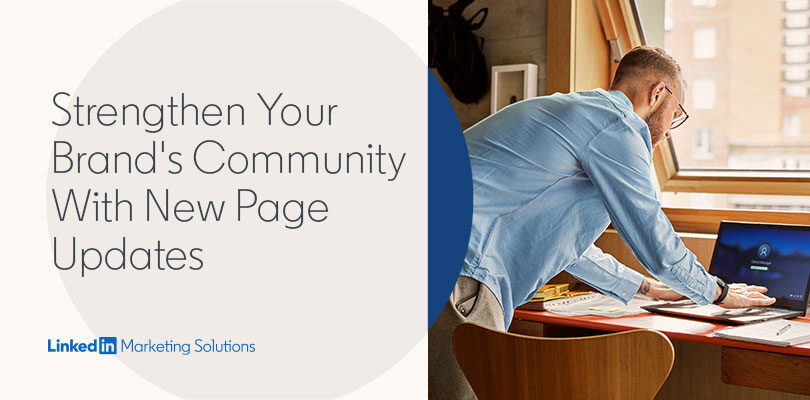
The professional social media platform is no longer just for finding a job: LinkedIn is increasing its value by providing new ways for businesses to represent themselves and connect with their audiences. The first of these, the My Company tab, focuses on your employees. Page admins will be able to recommend articles to their organization and verify the employees that work for them. This comes during a time when many more people are working remotely, as a way to encourage teams to interact with each other apart from Zoom meetings and project updates.

Product pages, which were announced in December, are being upgraded to produce leads for your company. These pages are a space for people to discuss your product, whether they’re sharing their experience or asking questions that you can answer. Now, when someone visits one of your product pages, they’ll have the option to submit an auto-filled form indicating their interest to you. This new feature, called Lead Gen Forms, will give you a list of people who want to hear more about your product. 

Finally, LinkedIn is expanding its stories to businesses with Stories for Pages. You’ll be able to post stories as a business to engage your followers, remind them of upcoming events, or whatever you’d like! These stories will be an interesting new way to drive conversions among a professional-focused community, with all Stories for Pages having the option to include a “swipe up” link. 

What does this mean for Gainesville Businesses?

Let’s break it down by feature. The My Company tab that allows you to share articles with your employees gives you a new way to connect with them, but we urge you to explore other ways of connecting with remote employees as well. LinkedIn has identified a problem, but it’s not one that will necessarily be fixed by the My Company tab. We’ll be interested to see if LinkedIn expands the functionality of the My Company tab in the future – This might be the first step of bringing workplace culture to LinkedIn. 

Leads from product pages are a huge boon for B2B companies. After you set up your product pages, you’ll be able to generate high-value leads with minimal involvement. We recommend checking this out and trying out your first product page if you haven’t already. And last but not least, Stories for Pages is the latest take on social media stories. These make the most sense for B2B companies that are interacting with professionals on LinkedIn often. If you’d like to try these out, take a minute to shout out your next event, record a video of an employee giving tips related to your services, or show a behind-the-scenes look at your process to humanize your business.

Getting Déjà Vu? Upcoming Fleet Features Remind Us How Social Media Is Changing

Twitter is releasing new features for Fleets starting in Japan. Stickers and “Twemojis” (we didn’t make that up), were added last week to spice up Fleets. We’re expecting to see this change rolled out to more countries over time, but it’s putting a spotlight on a recurring theme in the social media scene. 

A few years ago, social media companies were happy to do one thing well. Twitter was all about snappy one-liners, Instagram was a visual diary, and Snapchat was the place for disappearing stories. Now, social media platforms want to be a one-stop-shop. Social media companies are quick to compete with one another by adding new formats to their platforms. We saw this clearly when Instagram introduced Reels during uncertainty about TikTok’s future in the U.S. We’re seeing it again as Twitter ramps up its visual story game to compete with Instagram and Snapchat, while also discouraging new competition from Clubhouse with its new Spaces feature. Social media platforms are becoming complicated quickly by trying to keep up with each other rather than exploring what they do best. 

What does this mean for Gainesville Businesses?

Our recommendation is not to get bogged down in every new feature on each platform. We encourage you to keep your eyes open, evaluate whether features would be beneficial for your specific business, and test them out as needed. When it comes to your social strategy, remember what each platform specializes in. The audiences that are present on each social medium are different – remember that who you’re talking to changes from platform to platform. And finally, make note of platform-specific trends, such as the rise of content focused on well-being and positivity on Twitter.

With these factors in mind, you can create content specifically for a certain platform, or create content and then decide which platforms fit it best. For example, if you’ve created a short-form video meant for a middle-aged audience, you might decide that Instagram Reels is a better place for it to premiere than TikTok. You don’t have to post every message everywhere, but you should assess where a piece of content will have the maximum impact. 

Ok, now what?

Now that you’re up to date with the latest industry news, it’s time to invest in a team that specializes in all things social media and digital marketing. We can help! Liquid Creative is a full-service marketing agency ready to help your business operate to its fullest potential without missing a beat.

Winning this Holiday Season: Pinterest, Instagram and Twitter

With the holidays upon us, Gainesville businesses need to grab a hold of these new features on Pinterest, Instagram and Twitter to win this holiday season. We’ve outlined exactly what you need to know and how to implement it: 

New Tools for Brands on Pinterest

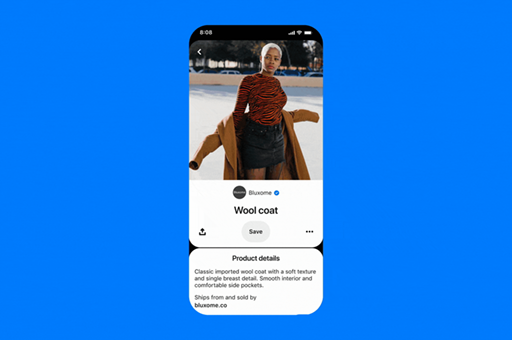
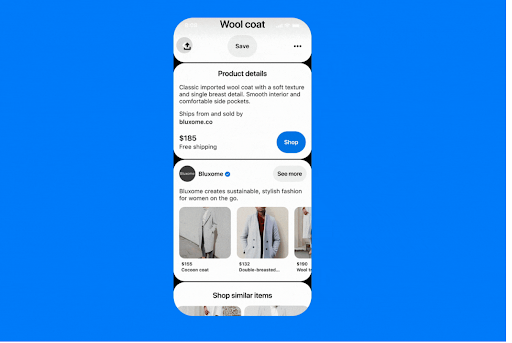
After conducting extensive research, Pinterest has introduced a new suite of tools that make selling faster and shopping easier. These tools include a new digital storefront profile, faster Catalogs feed ingestion, collections as a shopping ad format, video for collections, automatic bidding, conversion insights and analysis and an improved product tagging test. Pinterest uncovered what it was that retailers and shoppers loved most about shopping in brick and mortar and then onboarded those features online to improve the selling and shopping experience for everyone.

pasted-image-0-1935261

pinterest-2-2905544

What does this mean for Gainesville Businesses?

If you are a Pinterest merchant, you can use the app as a powerful tool to streamline the shopping experience for your buyers, improve your selling process and track your conversions. If you’re not on Pinterest, it might be time to level up your game and become the newest Pinterest merchant.

Twitter: Marketing Efforts Shift this Holiday Season

This year, consumer behavior and attitudes have shifted tremendously. Businesses will need to implement different marketing strategies to reach consumers. On November 2, Twitter shared insights into what this holiday season will look like including marketing tactics focusing on relevant messaging, shifting sales offers to be earlier and promoting buying local.

What does this mean for Gainesville businesses?

In-store shopping will start early for people who want to avoid crowds. Twitter cautions businesses to think sooner rather than later for their special offers and be prepared for early customers. Consumers are also shifting to supporting small, independent, and local businesses. Share on social media why local love is a way to give this season. Additionally, businesses must incorporate messaging that speaks to what people are feeling right now. Holidays might be different this year, some are away from their families for the first time or are spending Christmas alone so it’s important to consider the situations of your public in your marketing efforts. 

Instagram Live Updates

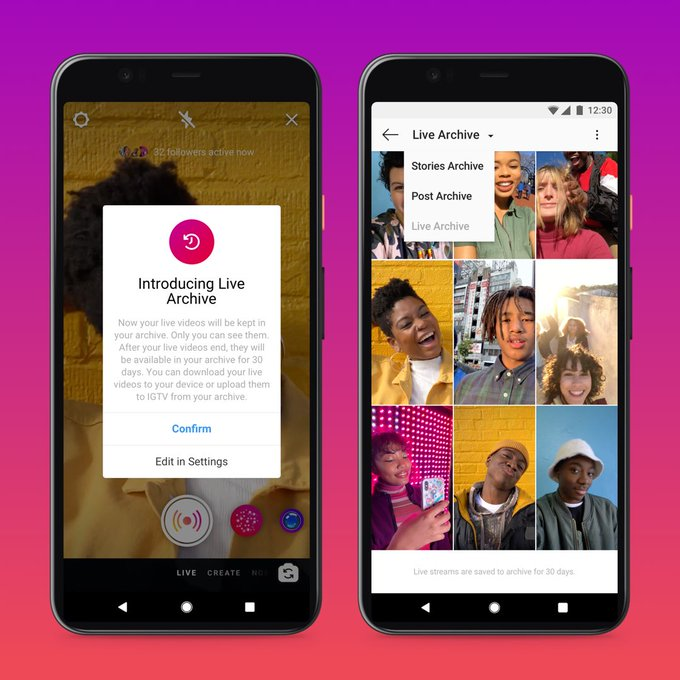
In a time where people are seeking connection, the popularity of live video is on the rise. To provide a space for creators to connect with their audience, Instagram announced three new Live updates. Users can now go Live for up to four hours, save their Lives for 30 days before they delete and a “Live Now” section can now be found in the IGTV app and on Explore so viewers can discover more Lives. 

instagram-updates-3588484

What does this mean for Gainesville Businesses?

Instagram is providing opportunities for everyone to follow their interests, reach audiences, engage with communities and build businesses. Being vulnerable and going Live allows you to connect and put a face and voice to your brand. Using Live as a marketing tool for businesses can help you expand your reach and establish meaningful connections with your community.

Ok, now what?

Now that you’re up to date with the latest industry news, it’s time to invest in a team that specializes in all things social media and digital marketing. We can help! Liquid Creative is a full-service marketing agency ready to help your business operate to its fullest potential without missing a beat.

Facebook vs Google: Online Ad Strategy

lcs_blog_july2020-6145219


Your digital strategy should include some form of online advertising. There are 3.5 billion Google searches daily and Facebook has 1.45 billion users on the platform every day. Your target audience is online and looking for you, but getting in front of them might feel a little mystifying. To help take away some of the confusion, we have distinguished the advantages of advertising on Google and Facebook.

Audience Targeting

One huge advantage of online ads is ad targeting. You know how your Facebook feed seems to know that you need a new welcome mat and a guide to the best hiking trails in Costa Rica? That’s ad targeting. 

Google and Facebook collect data points on every user based on their interests, search history, demographic data, and interaction with other posts and ads. You can create audiences based on this data. This can include their employer, job title, marital status, whether or not they have kids, household income level, and more. These data points are drawn on to create audiences and show your ads to users that match key points of your ideal client. 

On Facebook, you can also create lookalike audiences. These audiences take similarities from a source audience and target ads to similar users while excluding users in your source audience. You can use lookalike audiences from multiple source audiences to create the audience for a single ad set, including visitors from your website and your Facebook page. 

Retargeting is another way that online ad platforms allow marketers to target audiences that are likely to buy. Facebook allows you to do this using Facebook Pixel. You can install the Pixel on your website or landing page and then use the data to show your ads to people who already visited your website. Google has its own version of the Pixel you can use to retargeting web vistors, the Remarketing Tag. 

Online ads are a key component of a well-rounded digital strategy. Both platforms allow you to meet people where they are in the buyer’s journey and provide them with access to your business’s offerings. 

Ad Formatting

Ad formatting is largely going to depend on your platform, your objective, and the ad’s copy (its wording) and graphics (its images) that will best highlight your brand. 

Facebook provides a great deal of flexibility to be creative with your text and visuals. There are limitations and guidelines, but you can use the combination of words and pictures that best demonstrate the value of your product or service. 

With Google AdWords, or Search Ads, you’re limited just to text. So you need to be able to communicate an impactful message with short copy and no visuals. If you think your message is better served with visual imagery, then Google Display Ads may be a better choice. Google display ads are shown on various partner websites through the Google Display Network

Choosing the right platform for your ads will depend largely on your business and on your digital marketing strategy. It may be wise to run test campaigns on Facebook and Google to determine which ad type works best for your business. 

Choosing Your Objective

Facebook allows you to select from a wide number of objectives for your ads. You can run campaigns based on where your audience is in their buyer’s journey. From awareness to consideration to conversion, Facebook has several options for ads in each phase. Because Google generates results based on what users are looking for, Search Ads only target conversions and maximize clicks to your website, however Google Display Ads are great for generating exposure to your brand. Facebook and Google Display are more appropriate if you are looking to spread awareness of your product. 

How Do I Know Which Platform is Right for My Business?


Once you’ve started considering the role ads play in your digital marketing strategy, you’ll get a clearer picture of what platform will work best for you. When you’ve determined your objective, target audience, and what you’re trying to achieve, reach out to us! Our team will recommend a strategy and budget that will help achieve your goals.  

Easily Sell Branded Merchandise with Your Own Online Store

A Strong Brand Presence Starts Within

While customers are an immensely important asset to a company’s success, their employees are what makes it all possible. Providing branded merchandise for employees is a great way to promote internal marketing and increase workplace moral. These products unify team members within the workplace and establish a more integrated company culture. That is why it is important to offer both customers and employees the ability to get your branded merchandise when they want it.

liquidcreative_logo_2017-4602296

Our sister company, Liquid Creative Studio, offers a variety of marketing services for companies wanting to take their brands to the next level. Their previous work with Brammer Bio, a biotech company working out of various regions of the US, gave their employees around access to their company’s branded merchandise through an intranet. Brammer Bio’s intranet offers employees the ability to purchase a variety of merchandise. Giving employees the choice of picking their branded merchandise promotes engagement.

Easier for everyone!

Overall, giving your employees the ability to access their own work apparel streamlines workplace integration and save valuable time. Before, a large portion of time was consumed by having to take employee apparel preferences, submit their orders, and then wait for their delivery to the business and later the employees. Now, employees can take control of their order and relieve their supervisors from this extra responsibility.

Setting up your company’s online store for branded merchandise is a simple, engaging process!

1. The Meet Up

In a consultation with the Liquid Creative and Marketing Mud teams, we’ll be able to pinpoint your company’s goals for the online store.

2. Keeping it Brief

We will deliver a brief of products based on preferences discussed in the initial consultation. In this

3. Signed, Sealed, Delivered… Online!

Once the product offerings, web-design, and logistics are agreed upon, we are ready to launch your company’s online branded merchandise store! Finally, your customers and employees will be able to sport your company brand at any time.

Now is the time to strengthen your company culture with a strong workforce of unified employees. Marketing Mud is here to guide you through the process of strengthening your company’s brand from the inside out!


Ready to take your workforce to the next level? Call Marketing Mud today at (352) 281-8156 or visit our website to strengthen your business.