facebook pixel

The Year in Marketing: Trends That Defined 2025 (and What They Mean for 2026)

The Year in Marketing: Trends That Defined 2025 (and What They Mean for 2026)

Another year, another whirlwind of trends, tools, and TikToks.

Marketing in 2025 wasn’t just about keeping up; it was about standing out in a landscape that evolved faster than ever.

From the rise of AI-assisted creativity to a renewed demand for authentic storytelling, the past 12 months have reshaped what it means to connect with audiences. As we look ahead to 2026, one thing is clear: brands that blend innovation with intention will lead the way.

Let’s rewind and unpack the marketing trends that defined 2025 and what they mean for your next big move.

1. AI Went from “Add-On” to Essential

It’s official: 2025 was the year AI stopped being a novelty and became a necessity.

Marketers moved beyond experimenting with chatbots or dabbling in AI-generated copy. Instead, they started integrating AI tools across their entire workflows—research, strategy, creative production, analytics, and automation.

AI helped teams work smarter, not just faster, turning endless data into meaningful insights and freeing up time for human creativity. Across industries, brands used AI to:

  • Personalize content recommendations based on browsing behavior
  • Predict trends and customer needs through data modeling
  • Accelerate creative production with AI-assisted copy and design
  • Automate ad optimization in real time for better ROI

One brand that demonstrates this shift especially well is Nike. The company’s SNKRS app uses predictive algorithms to anticipate what customers want before they even open the app. By analyzing purchase history, browsing habits, and engagement timing, SNKRS curates product drops and recommendations so personalized it feels like the app knows you.
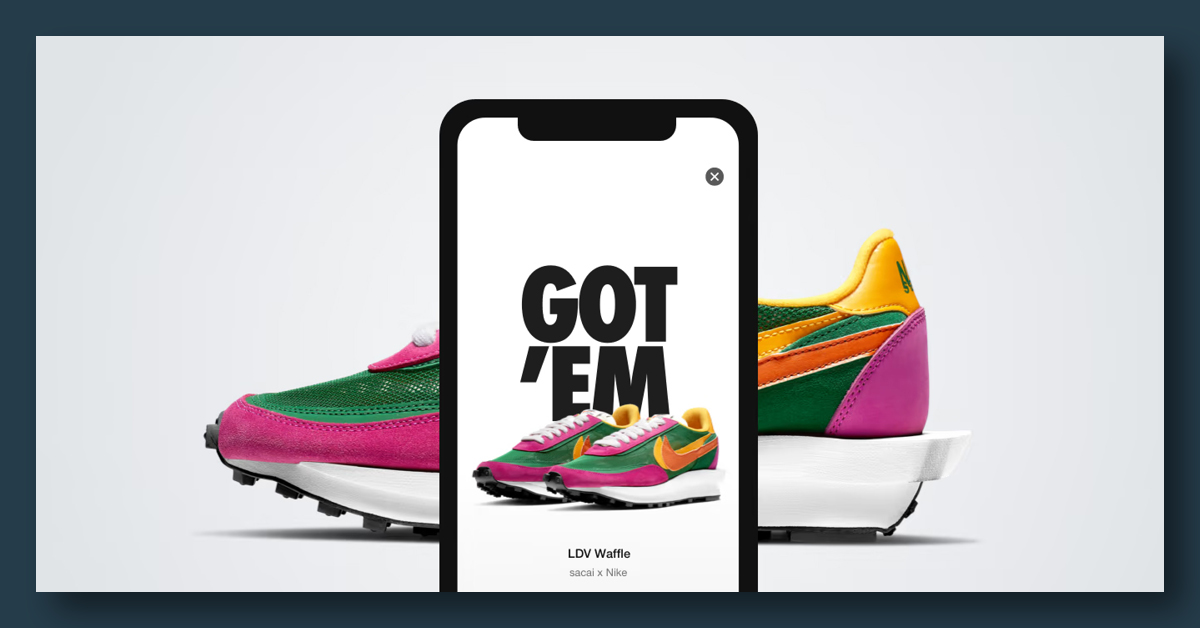
Curated Marketing From Nike

The takeaway? The best campaigns of 2025 weren’t just powered by AI—they were guided by empathy and intention. The real magic happens when human insight meets machine precision.

What it means for 2026:

AI integration is no longer optional. In 2026, the focus will shift toward AI governance, ethical use, and data transparency. Brands that balance automation with authenticity will rebuild trust—and those that don’t will feel robotic.

2. The Algorithm Shifted (Again)—But Engagement Stayed Human

This year brought another wave of algorithm updates across Meta, LinkedIn, and Google, all prioritizing quality over quantity.

Instead of pumping out endless posts, smart brands focused on depth, not volume—crafting content that sparked genuine conversation rather than chasing empty impressions. The platforms may have changed, but one thing stayed constant: people engage with people, not just posts.

In 2025, audiences rewarded brands that:

  • Posted purpose-driven content that aligned with their mission
  • Shared behind-the-scenes moments to show authenticity
  • Partnered with creators and influencers who felt relatable
  • Used interactive formats—polls, carousels, and quick videos—to boost engagement

One of the best examples of this shift came from Duolingo, whose quirky TikTok presence continued to dominate feeds. By leaning into humor, trending sounds, and a self-aware brand personality, Duolingo turned its mascot into a cultural icon—proof that genuine, human-centered storytelling wins the algorithm every time.

Duolingo Social Media Marketing

The takeaway? The platforms may prioritize engagement metrics, but the brands that thrive are those that act like humans, not marketers—listening, responding, and connecting in real time.

What it means for 2026:

Content calendars will get smarter, not busier. Brands that lead will be those that listen before they post, tailoring every piece to audience insights instead of assumptions. Expect “micro-moments”—short, human, and high-value interactions—to drive the biggest impact.

3. Short-Form Video Stayed King—But Quality Took the Throne

If 2024 was the year of posting more, 2025 was the year of posting better.

Short-form video ruled every platform, but audiences grew less tolerant of recycled trends and more drawn to intentional storytelling. The best videos weren’t flashy—they were focused. Whether it was a brand explaining their “why” in 15 seconds, a team showing their product in real-world use, or a founder hopping on camera to answer FAQs, clarity trumped choreography.

Then came Liquid Death’s “Safe For Work” Super Bowl ad—a tongue-in-cheek twist on that very idea. The spot mimicked the pacing and style of short-form social content, using humor and absurdity to cut through the noise in the most crowded ad moment of the year. It proved that even high-production campaigns can win when they feel quick, clever, and self-aware.

What it means for 2026:

Expect the rise of “snackable storytelling.” Videos will stay short, but they’ll be crafted with cinematic precision and clear messaging. Strong hooks and scripts will matter more than filters or viral audio.

As attention spans shrink, relevance becomes the real differentiator. It’s not just about what you say in a few seconds; it’s about saying the right thing to the right person. That’s where personalization takes center stage.

4. Personalization Went Beyond the First Name

2025 proved that personalization is about relevance, not just recognition. Brands began using behavioral and contextual data to create experiences that felt timely, helpful, and personal—without feeling invasive.

For example:

  • Email campaigns adapted content blocks based on browsing history
  • E-commerce sites adjusted offers based on real-time cart behavior
  • Paid ads followed journey-based logic, not just demographics

The line between personalization and privacy got thinner, so transparency became the new trust currency.

What it means for 2026:

In the year ahead, we’ll see more focus on first-party data strategies and zero-party data (information customers willingly share). The takeaway? Make personalization mutual. Give users value in exchange for their information—like exclusive content, helpful tools, or meaningful recommendations.

5. Email Marketing Made a Comeback

Surprised? Many marketers were.

As social algorithms tightened and digital noise increased, email quietly re-emerged as one of the most reliable owned channels in 2025. But not the kind of email you sent five years ago.

This year’s successful brands treated the inbox like a conversation, not a megaphone. They used:

  • Segmentation based on behavior, not just demographics
  • Interactive email elements (like polls, carousels, and GIFs)
  • Preference centers to empower users
  • Strong storytelling and design synergy

The result: higher open rates, stronger loyalty, and fewer unsubscribes.

What it means for 2026:

Email will continue evolving into a content hub—an extension of your brand story that drives both awareness and conversion. The future of the inbox is clean, visual, and deeply personalized. And that same visual clarity carried through every touchpoint in 2025, from emails to brand design.

6. Design Trends Went Bold, Nostalgic, and Human

In 2025, design took a vibrant turn—literally.

Muted minimalism gave way to bold typography, saturated gradients, and nostalgic callbacks to the early 2000s. Brands tapped into emotion and memory to make digital experiences feel warmer, weirder, and more human again.

AI design tools may have democratized access, but they also raised the creative bar. The most memorable visuals weren’t the most complex; they were the most intentional, built around story and personality.

A fun example of this shift came from Taco Bell, which leaned fully into its retro roots with a Y2K-themed menu and visual refresh. Neon gradients, chrome details, and playful type transported fans straight back to the era of flip phones and mixtapes, showing how nostalgia, when done right, can feel both familiar and fresh.

Taco Bell Retro Marketing

What it means for 2026:

Expect the rise of “human-crafted minimalism”—designs that are clean but character-rich. Motion design, accessibility, and personality-driven branding will dominate. Static won’t cut it anymore; dynamic storytelling will.

7. Strategy Made Its Comeback Story

Maybe the biggest trend of 2025 wasn’t visual at all—it was strategic clarity.

After years of chasing platforms and trends, brands rediscovered the importance of building from the inside out: defining their message, audience, and goals before making a single post.

At Liquid Creative, we saw it firsthand. The brands that succeeded weren’t just creative; they were cohesive. Every campaign, post, and page tied back to a bigger narrative.

What it means for 2026:

This return to fundamentals will continue. With AI and automation handling the “busywork,” marketers will have more time to focus on what matters: strategy, storytelling, and substance.

Looking Ahead: Marketing in 2026

If 2025 was about acceleration, 2026 will be about alignment.

We’re moving into an era where clarity outperforms complexity. Audiences are smarter, algorithms are stricter, and attention spans are shorter. But great marketing still comes down to the same three things:

  1. Understanding your audience
  2. Communicating clearly
  3. Showing up consistently

The tools may evolve, but the goal remains the same—creating meaningful connections that move people to action.

Ready to Make 2026 Your Most Strategic Year Yet?

At Liquid Creative, we help brands cut through the noise with marketing that’s grounded in strategy and elevated by creativity. Whether you’re ready to refine your message, refresh your brand, or launch something new, we’ll help you build campaigns that stand out—and stand for something.

Let’s build what’s next. Contact Liquid Creative today.
Avoid These 7 Marketing Mistakes That Can Haunt Your Brand

The leaves are falling, pumpkins are glowing, and Halloween is creeping closer. October is the season for spooky fun: haunted houses, scary movies, and kids in costumes begging for candy. But when it comes to your marketing, the last thing you want is a fright.

The truth? Marketing mistakes can be downright terrifying. They don’t just make your brand look bad—they can cost you customers, revenue, and trust. And unlike a jump scare in a horror movie, these missteps often linger long after the moment passes.

The good news: every one of these marketing nightmares can be avoided. Think of this as your flashlight in the haunted house, the guide that helps you spot the cobwebs, avoid the pitfalls, and get your brand safely to the other side.

Here are seven of the scariest marketing mistakes—and how to keep them from haunting your business.

Marketing Mistake #1: Ghosting Your Audience (Inconsistent Content)

Picture this: You’ve been following a brand on social media. They post consistently for weeks, maybe even months. And then—silence. No updates, no emails, no reminders they even exist. That brand just ghosted you.

It happens all the time. Businesses start strong, but when things get busy or campaigns end, their visibility drops. The problem? Audiences are quick to forget. Out of sight often means out of mind.

Why It’s Scary:

  • It breaks trust—if you disappear, audiences may assume you’re unreliable.
  • Competitors who stay visible will scoop up attention.
  • Inconsistent posting messes with algorithms, tanking your reach.

The Fix:

  • Build an editorial calendar with consistent publishing dates.
  • Use automation tools to keep emails, posts, and ads running even during your busy seasons.
  • Create evergreen content (timeless posts, FAQs, tips) you can schedule between major campaigns.

Example: A local gym that posts daily workouts and member spotlights will stay top-of-mind year-round. A competitor that only posts during January’s “new year, new you” rush will fade into the background by spring.

Marketing Mistake #2: Ignoring Mobile Optimization

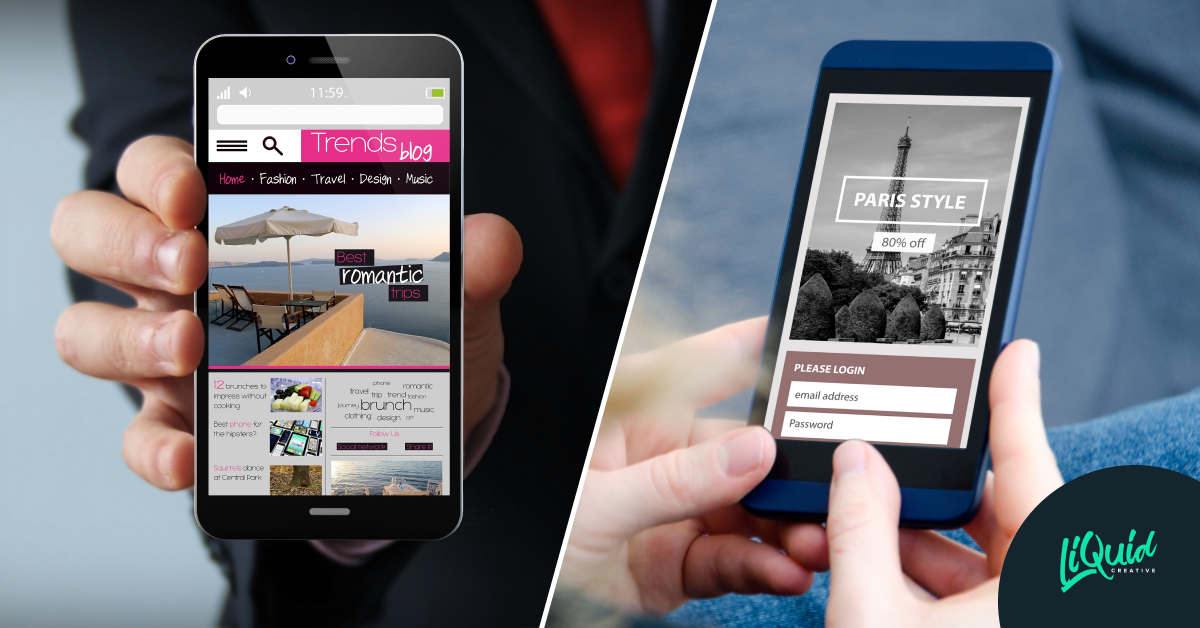
We live on our phones. According to Soax, more than 60% of global web traffic comes from mobile devices, and most emails are opened on phones first. Yet many businesses still design for desktop-first. The result? Tiny text, clunky menus, and frustrated users who bounce.

Why It’s Scary:

Mobile First Design

The Fix:

  • Adopt mobile-first design for your site, emails, and ads.
  • Optimize images and videos for quick loading.
  • Test everything on multiple devices before launch.

Example: A restaurant that lists menus as PDFs forces users to pinch and zoom. By switching to a mobile-optimized menu with clickable “Order Now” buttons, they instantly improve the customer journey.

Marketing Mistake #3: Inconsistent Branding Across Channels

Imagine showing up to a Halloween party as a witch, but your hat is neon pink and your broom is inflatable. People would be confused, right? That’s what happens when your brand isn’t consistent.

Inconsistent logos, mixed messaging, and disjointed visuals dilute your identity. If audiences can’t recognize you, they won’t remember you.

Why It’s Scary:

  • Confusion kills trust.
  • A lack of recognition means missed opportunities for recall.
  • Disjointed branding feels unprofessional.

The Fix:

  • Create brand guidelines with fonts, colors, logo usage, and tone of voice.
  • Train your team and partners to stick to them.
  • Audit your channels regularly to ensure alignment.

Example: Apple’s clean, minimal aesthetic appears across ads, packaging, and stores. That consistency makes their brand instantly recognizable—even without a logo.

Marketing Mistake #4: Neglecting Analytics and Data Tracking

Stumbling in the dark might be fun in a haunted house, but it’s no way to run your marketing. Too many businesses launch campaigns without ever checking the results. That means wasted ad spend, missed opportunities, and no insight into what actually works.

Why It’s Scary:

  • Without data, you’re guessing.
Poor-performing campaigns keep draining your budget.
  • You miss the chance to double down on what is working.

Foggy Crystal Ball

The Fix:

  • Track KPIs that matter—conversions, leads, CTR—not just vanity metrics.
  • Use A/B testing to refine campaigns.
  • Set aside time each month to review and adjust.

Example: A retail store running Facebook ads notices that carousel ads outperform single-image ads. By tracking analytics, they can shift budget to what works instead of wasting money.

Marketing Mistake #5: Forgetting Personalization in Marketing

It’s easy to treat your audience like data points on a dashboard, but people notice when messaging feels robotic. Generic emails, copy-paste social posts, and cold sales pitches send customers running.

Why It’s Scary:

  • People crave connection.
  • Impersonal marketing feels spammy.
  • Lack of personalization lowers engagement.

The Fix:

  • Use segmentation and personalization in emails.
  • Share customer stories, behind-the-scenes content, and team updates.
  • Engage authentically on social media—reply, react, and start conversations.

Example: Instead of sending “Dear Customer,” a boutique might send “Hey Taylor, here’s what’s trending in Gainesville this week.” That small touch creates big loyalty.

Marketing Mistake #6: Copying Competitors Instead of Differentiating

In the spirit of Halloween, imitation might be flattery—but in marketing, it’s a curse. Copying competitors’ campaigns makes your brand look unoriginal, and worse, it prevents you from building your own unique voice.

Copying Competitors

Why It’s Scary:

  • You blend in instead of standing out.
  • Customers can sense when something feels recycled.
  • You’ll always be a step behind the brands you’re copying.

The Fix:

  • Study competitors for insights, not templates.
  • Invest in original creative rooted in your brand identity.
  • Focus on telling your story, not theirs.

Example: Red Bull owns extreme sports marketing because it’s deeply tied to their “gives you wings” identity. Other energy drink brands that copy the same playbook often feel like knockoffs because they don’t have the same long-term credibility in the space.

Marketing Mistake #7: Treating Marketing as an Afterthought in Strategy

This one is perhaps the scariest of all. Some businesses see marketing as “something to get to later” after product development, operations, or sales. But without marketing, even the best products sit in the dark, unnoticed.

Why It’s Scary:

  • You risk launching great ideas that never get traction.
  • Competitors with better marketing win—even with weaker offerings.
  • It leaves your business constantly playing catch-up.

The Fix:

  • Integrate marketing into your business strategy from the start.
  • Align sales, operations, and marketing around shared goals.
  • Budget for marketing the same way you budget for other core functions.

Example: Countless startups fail because they believe “if we build it, they will come.” In reality, visibility is just as important as product quality.

Don’t Fear—Liquid Creative Can Help

Marketing doesn’t have to be scary. The pitfalls are real, but with the right strategy, you can avoid the cobwebs, dodge the jump scares, and keep your brand glowing like a jack-o’-lantern all year long.

At Liquid Creative, we help businesses:

  • Stay consistent with content that never ghosts your audience
  • Build mobile-first websites and campaigns
  • Align branding across every touchpoint
  • Leverage analytics to drive smarter decisions
  • Humanize marketing with authentic storytelling
  • Stand out with original creative—not copycat campaigns
  • Integrate marketing into every stage of business growth

Make sure your brand isn’t hiding in the shadows this October. A seasonal refresh now sets you up for a strong holiday season. Get in touch with our team today!

September Is National Self-Improvement Month—What About Brand Improvement?

As summer fades and September rolls in, a familiar energy fills the air—one of fresh notebooks, new routines, and renewed motivation. For many, it’s a natural time to reset goals, recommit to growth, and get serious about self-improvement.

But while individuals are hitting the gym, revisiting budgets, or finally reading that self-help book, there’s a valuable parallel most businesses overlook:

What if your brand treated September as a time for improvement, too?

Just like personal growth, brand growth doesn’t happen by accident. It requires reflection, intention, and a clear plan. And with Q4 on the horizon, now is the perfect moment to sharpen your strategy, refresh your presence, and position your brand for a stronger finish to the year.

Let’s explore how you can turn Self-Improvement Month into Brand Improvement Month—with practical tips, real-world inspiration, and key questions every brand should be asking right now.

Why September Is the Best Month to Refresh Your Brand Strategy

It’s easy to treat January as the default time for goal setting—but in many ways, September is even better.

Here’s why:

  • You’ve got 8 months of data. Instead of setting resolutions based on assumptions, you can now base your brand strategy on real performance and audience insights.
  • There’s still time to course-correct. With Q4 ahead, you can make meaningful changes that still impact this year’s results.
  • Momentum is building. As your audience settles into fall routines, they’re more likely to engage with structured offers, value-driven content, and thoughtful branding.

Whether you’re a startup, a growing business, or a well-established company, now is a prime opportunity to hit pause, reflect, and evolve.

1. Run a Quick Brand Audit

Just like someone on a self-improvement journey might journal or take stock of where they are, your brand needs a regular reality check.

Ask yourself:

  • Is our visual identity still aligned with our goals?
  • Does our messaging still reflect who we are and who we serve?
  • Are we attracting the right audience—or the one we’ve outgrown?
  • What are people saying about us when we’re not in the room?
  • Have we been consistent, or just comfortable?

You don’t need to overhaul your entire brand to make an impact. Even subtle tweaks (color palette, tone of voice, tagline) can reignite attention and sharpen perception.

Pro Tip: Conduct a quick brand audit. Review your website, social channels, print materials, email signatures, and ad creative. Is everything cohesive, intentional, and current?

2. Update Your Brand Messaging to Reflect Who You Are Now

Messaging is the heart of any brand. And just like people evolve, so should your voice.

A common pitfall: businesses stick with the same language they used at launch even as their offerings, customers, and values change.

Use September as your cue to:

  • Revisit your mission and vision. Are they still resonating internally and externally?
  • Refine your value proposition. Is it clear, specific, and different from competitors?
  • Evaluate your tone. Does it feel authentic to your brand today?

Brand Values

If your messaging feels generic, scattered, or outdated, it’s time to tighten up. The best messaging speaks directly to your audience’s pain points, aspirations, and values, and does it in a voice only your brand could use.

3. Analyze Your Marketing Performance Before Q4

Self-improvement means getting honest—and for brands, that starts with looking at performance.

Dig into the data:

  • Which marketing channels are actually driving leads or conversions?
  • What content has the highest engagement?
  • Are email campaigns being opened or ignored?
  • Which products or services are growing, and which are dragging?

This isn’t about blame—it’s about clarity. Knowing what’s not working is just as valuable as knowing what is. From there, you can make data-driven adjustments that bring your efforts into alignment with your goals.

For example, if your social content looks great but isn’t converting, maybe it’s time to adjust the CTA, revisit your targeting, or test new formats like Reels or carousels.

4. Ensure Your Visual Branding Aligns with Your Business Today

Think of your brand visuals as the outfit your brand wears every day. If it’s feeling outdated or inconsistent, it might be time for a wardrobe refresh.

Ask:

  • Do our brand colors still fit our energy?
  • Is our logo scalable, legible, and current?
  • Does our website feel modern and user-friendly?
  • Are we using the same visuals across platforms, or does it feel disjointed?

Design isn’t about chasing trends—it’s about clarity and consistency. A clean, cohesive visual identity builds trust, increases recognition, and elevates everything else you do.

Remember, you don’t need to do a full rebrand to make an impact. Sometimes, just updating your typography, photography style, or graphic elements can make your brand feel new again.

5. Simple Ways to Improve Your Online Brand Presence

Think of this as the brand equivalent of cleaning out your closet. Over time, your online presence can get cluttered with outdated pages, broken links, inconsistent bios, or social posts that no longer reflect your goals.

Here’s your September checklist:

✔️ Update your website footer with the current year
✔️ Refresh your bio or “About” page to reflect recent wins or team changes
✔️ Review your Google Business Profile for accuracy
✔️ Remove or rework underperforming social content
✔️ Make sure your SEO meta titles and descriptions are up to date

These may seem like small steps, but together, they can significantly sharpen your presence and help audiences find and trust you.

Digital Branding

6. Create Smarter Marketing Systems for Sustainable Growth

Self-improvement often involves building better habits—and for brands, that means better systems.

Look at your internal marketing workflows:

  • Are you consistently posting on social media, or is it sporadic?
  • Do you have a reliable email marketing calendar?
  • Are campaigns being planned in advance or at the last minute?
  • Is your content aligned with business goals or just filling space?

Creating systems (or revisiting the ones you have) sets your team up for sustainable success. Whether it’s switching to a new project management tool, refining your approval process, or automating parts of your marketing, these tweaks pay off in time and sanity.

Pro Tip: Consider building an evergreen content library of assets you can reuse and repurpose during busy seasons.

7. Improve Customer Experience to Strengthen Your Brand Loyalty

Self-improvement isn’t just about how you look—it’s how you treat people. The same goes for brands.

Ask yourself:

  • Are we responsive to inquiries and feedback?
  • Is our onboarding process smooth and professional?
  • Are we surprising and delighting our customers—or just serving them?
  • What do reviews or testimonials say about us?

Sometimes the most powerful brand improvements aren’t external—they’re experiential. One thoughtful touchpoint, one wow moment, or one solved pain point can turn a customer into a loyal advocate.

Branding

Brand Refresh Examples: How Major Brands Evolve with Purpose

Let’s take a look at a few brands that embraced their own “self-improvement”:

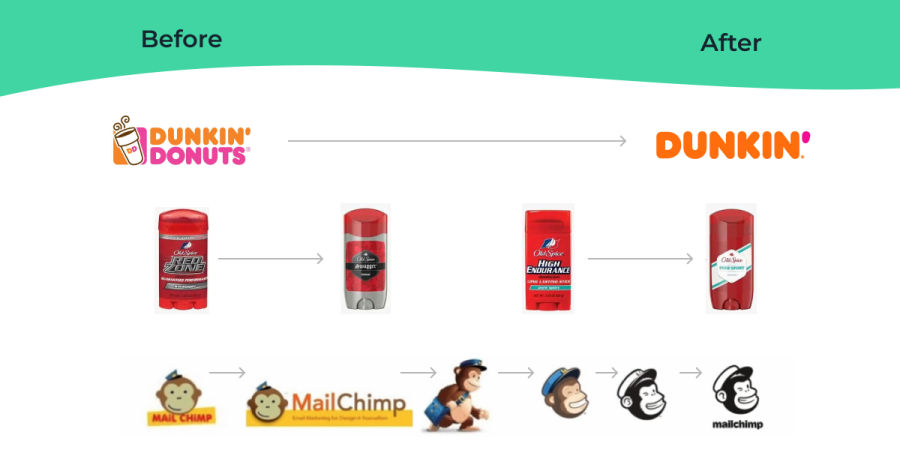
  • Dunkin’ (formerly Dunkin’ Donuts): Their name change reflected a broader focus beyond donuts, reinforcing their identity as a beverage-led brand. Messaging and design were updated to match.
  • Mailchimp: Originally known for email marketing, they expanded into full marketing automation and rebranded with a bold, playful identity that stood out in a saturated space.
  • Old Spice: Once seen as outdated, the brand reinvented itself with humor, striking visuals, and targeted messaging that connected with a new generation.

Brand Refresh

The lesson? Thoughtful evolution keeps brands relevant, engaging, and aligned with where they’re headed.

Brand Growth Isn’t Optional: Evolve with Strategy and Purpose

Self-improvement isn’t about chasing perfection. It’s about showing up more clearly, more confidently, and more in tune with your goals and values.

Brand improvement is no different.

Maybe your logo is fine, but your messaging is muddy. Maybe your content is good, but your strategy is reactive. Maybe your voice is strong, but your visuals feel dated.

Whatever the case, now is the time to reflect, refocus, and realign.

Because the brands that thrive aren’t always the biggest or loudest—they’re the ones that keep evolving with purpose.

Ready to Improve Your Brand? Let’s Do It Together.

At Liquid Creative, we help brands do more than look good—we help them grow with clarity, creativity, and strategy.

Whether you need a messaging refresh, a design glow-up, or a full brand audit, our team brings insight, intention, and serious marketing muscle to the table.

Are you ready to turn September into your brand’s turning point? Let’s talk about what’s next.

How to Handle Holidays — At Work and Online

Holidays - At Work and Online

Summary: Whether it’s federal and company holidays or religious and industry-related observances, here’s a guide on how to handle holidays in the office and online.

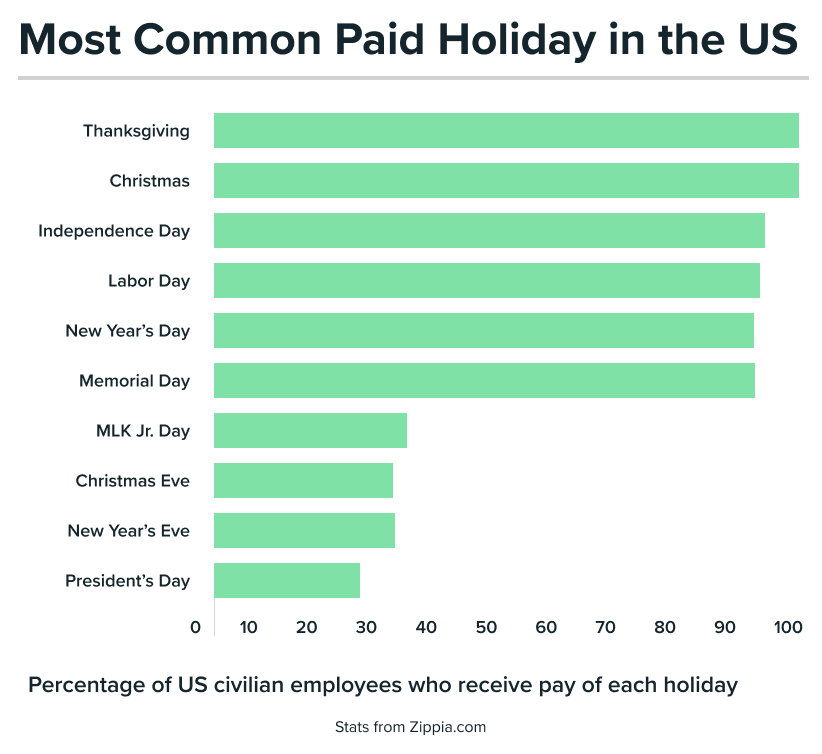
If you don’t think holidays are important to your employees, think again. Research shows that workers want paid vacation (76% of those surveyed), paid sick time (74%), and paid holidays (74%). That can add up to a lot of time off.

How do you decide which holidays to observe? How do you manage the workload while employees are out? Which holidays should the company acknowledge on social media, and how? How do the holidays affect your client relations and account management? Read this blog to find answers to these questions and more.

Graphic showing different holiday stats.

What Are the Most Common Paid Holidays in the United States?

Federal holidays in the United States are government-mandated and provide federal employees with a paid day off, whereas non-federal holidays like Valentine’s Day and Halloween are not government-recognized, and observance by businesses is optional. While federal employees are guaranteed time off on federal holidays, most employers are not obligated to offer paid leave for any holidays but may do so as an employee benefit.

The Fair Labor Standards Act (FLSA) does not require private-sector employers to provide paid or unpaid time off for holidays, though many choose to do so to boost employee morale and retention. Exceptions exist, such as in Rhode Island, where employees working on Sundays and holidays must be paid time and a half. Additionally, some employers may be obligated to offer paid holiday leave under collective bargaining agreements.

Keep in mind that state and local governments and private businesses might call these holidays by other names, but our list follows the names designated in federal law. (Federal employees in the Washington, DC, area also receive Inauguration Day as paid leave for each fourth year; this policy started in 1965.) Typically, there are only 11 federal holidays each year.

What are the Federal Holidays for 2025?

  1. New Year’s Day — Wednesday, January 1
  2. Birthday of Martin Luther King, Jr. — Monday, January 20
  3. Washington’s Birthday — Monday, February 17
  4. Memorial Day — Monday, May 26
  5. Juneteenth National Independence Day — Thursday, June 19
  6. Independence Day — Friday, July 4
  7. Labor Day — Monday, September 1
  8. Columbus Day — Monday, October 13
  9. Veterans Day — Tuesday, November 11
  10. Thanksgiving Day — Thursday, November 27
  11. Christmas Day — Thursday, December 25

Bar graph showing most common paid holidays in the US.

We’re nearing what some people call the Holiday Quarter because traditional Q4s include a lot of personal PTO as well as federal days off like Thanksgiving and Christmas. These dates are known for their sales (hello! Black Friday? Cyber Monday?) almost as much as their original cultural significance.

               Read More:How the Holidays Affect Your Digital Campaigns

From a marketing standpoint, Black Friday, Cyber Monday, and the Christmas shopping seasons can increase campaign costs and change user behavior. Be ready for the holidays to affect your business and your bottom line.

How to Handle Religious Holidays at a Secular Company

Handling religious holidays at a secular company requires a thoughtful and inclusive approach to respect diverse beliefs while maintaining a neutral work environment.

Here are some best practices to consider:

  • Establish a Clear Policy: Create a clear, written policy on time off for religious holidays that is communicated to all employees. The policy should outline how requests for time off will be handled, ensuring fairness and consistency.
  • Offer Flexible Leave Options: Allow employees to use personal, vacation, or floating holidays for religious observances. This flexibility enables employees to take time off for their specific religious holidays without requiring special treatment.
  • Accommodate Requests When Possible: Make reasonable efforts to accommodate requests for time off for religious holidays, as required by law, unless doing so would cause undue hardship to the business.
  • Foster an Inclusive Environment: Encourage a workplace culture where employees feel comfortable discussing their religious needs with HR or administration.
  • Avoid Scheduling Conflicts: Be mindful when scheduling important meetings, deadlines, or company events, avoiding dates that coincide with major religious holidays whenever possible.
  • Consider a Floating Holiday System: Offering floating holidays gives employees the flexibility to observe religious or cultural holidays that are important to them, ensuring they feel respected and valued.
  • Maintain a Secular Tone: Ensure that company-wide events and communications remain neutral and inclusive, avoiding favoritism toward any particular religion.

By implementing these practices, a secular company can respect the diverse religious needs of its employees while maintaining a fair and inclusive workplace.

How to Handle Holidays Online Without Getting Canceled

Recognizing holidays on social media can be a valuable way for companies to engage with their audience, but it should be approached carefully to avoid backlash or potential missteps.

Of course, you want to be social (it is social media, after all), which means a degree of personality and candid content. But you also don’t want your company to be boycotted for putting their foot in it.

Here are a few social media best practices to keep in mind:

  • Stay True to Your Brand: Focus on holidays that resonate with your brand identity and mission. For example, a brand focused on sustainability might highlight Earth Day, while a medical company might recognize awareness dates that emphasize health and wellbeing.
  • Be Inclusive and Sensitive: When recognizing holidays, be mindful of cultural and religious sensitivities. Ensure your messaging is respectful and avoid making assumptions about how people celebrate. Inclusivity can help prevent backlash and demonstrate your brand’s commitment to all potential customers.
  • Research and Plan Carefully: Take the time to understand the significance of each holiday before posting. Avoid superficial or generic messages that could be seen as insincere (at best) or tokenism (at worst). Planning content well in advance allows for careful consideration and review.
  • Engage Authentically: If your company chooses to recognize holidays, do so authentically. Engaging in performative recognition can backfire. If a holiday doesn’t align with your brand, it’s okay not to comment on it.
  • Monitor Responses and Adapt: Pay attention to how your audience reacts to holiday posts. Use feedback to adjust your approach in the future, being willing to learn from mistakes and improve.
  • Consider Opting Out: If your brand’s position or audience makes recognizing certain holidays potentially controversial, it may be wise to opt out. Silence can sometimes be the best option if the risks outweigh the benefits.

Whether a company should recognize holidays on the company’s social platforms depends on its understanding of its audience and brand identity. For example, if you sell Christmas ornaments, posting about the Christmas holiday is a must. If you work for an international secular non-profit, referencing the winter season would be a safer (and kinder) approach.

Even beyond the topic of holidays, it’s true: Thoughtful, well-researched, and inclusive content can enhance brand engagement, while poorly executed posts can lead to backlash.

How Many “National Days” Do Americans Observe?

Beyond federal holidays and common religious observances, we now have other “national days” that are often posted about on social media and sometimes celebrated in office, though employees are rarely awarded time off for these occasions.

Some people think we’ve taken the concept of “national days” too far. And, they might be right. There are more than 1,500 “national days” each year, along with a barrage of accompanying hashtags aimed at boosting corporate marketing goals.

For example of how companies monetize these “days,” creating them for advertising and marketing purposes, think about the current trend (and pressure) to ask a date to high school prom in the most spectacular way possible. Did you know that “National Promposal Day” (March 11 each year) was founded by Men’s Wearhouse to make sure high schoolers are asking their date to prom with plenty of time to get tux rentals. Did you know that “National Little Red Wagon Day” was created by Radio Flyer?

In 2024, March 28 alone contained 10 “days” to recognize (and that doesn’t even cover the awareness “weeks” and “months”), including “National Black Forest Cake Day,” “National Something on a Stick Day,” “National Weed Appreciation Day,” and “Respect Your Cat Day.”

Cat looking through a hole in a piece of paper.

Most of these days come with their own hashtag and promo kits, but trying to recognize all of them on your social media would be a mistake. Not to mention require three full-time jobs.

It’s good marketing practice to be aware of federal holidays, religious observances, and even speciality days/weeks/months that are related to your industry. This awareness will help you determine your company holidays, respect employee traditions and cultures, and create a social media calendar with posts that reach your target audience without exploiting them.

Best Practices for Handling Holidays in House

Regardless of the dates you decide to observe as a company, remember this three-step guide:

  1. Create
  2. Communicate
  3. Plan

Create a calendar and clearly communicate it to all employees so the entire team is aware in advance of the paid holidays that will be observed.

Plan ahead for these holidays since “observing” them means employees will not be working those days. This includes making sure your staff has met deadlines in advance, delivered any projects to clients that would be due in their absence, and communicated with their clients or customers about the closure.

It’s a good idea to have a company-wide protocol regarding out-of-office email statements (with emergency contact information) for individual employees to use for holidays and PTO.

Remember that your clients may also take an extended OOO break around federal holidays, so external communication and planning are also paramount.

Finally, it’s smart to have a back-up plan in place in case an emergency occurs (like an entire website or online ordering system goes down) while people are on leave.

Best Marketing Agencies in Town

If you need more advice on this topic or other business matters, let us know. You have objectives. We have solutions.

Plus, when it comes to social media management and marketing best practices, we’re the cat’s meow (once a cat gets stuck in your head, it’s hard to get it out).

At Liquid Creative, we work with clients all over the state and across the country. We’re an in-house team of Operations Managers, Account Managers, Strategists, Writers, Designers, and more — all working together to bring your ideas to life.

If you need assistance to boost your brand and sales, we can help. Contact us today to see what we can do for you.

Blogs, huh, what are they good for? Absolutely something.

Blogs, huh, what are they good for? Absolutely something.

Summary: How do blogs help companies boost visibility and sales? Through thought leadership and brand trust. Hire a marketing agency to write yours. 

A company maintaining a monthly blog typically aims to achieve several key objectives:

  • Brand Awareness and Visibility
  • SEO (Search Engine Optimization)
  • Customer Engagement and Education
  • Lead Generation and Conversion
  • Community Building
  • Thought Leadership and Expertise Demonstration

“Thought Leadership” is a buzzword that refers to the practice of a company or individual positioning themselves as an authority in their industry or area of expertise. Thought leaders are recognized for their deep knowledge, innovative ideas, and ability to influence other people’s thinking. Sometimes, these folks are also called “SMEs” or Subject Matter Experts. It’s kind of like an Influencer, except instead of using their fame or clout (or stunning good looks) to attract customers, they use their extensive — and successful — experience in their field. 

They often produce content such as articles, white papers, webinars, and blog posts that provide valuable insights, forecast trends, and address pressing issues in their industry or market sector. The goal of thought leadership is to establish credibility, build trust, and influence public perception, thereby creating a competitive advantage for the company or individual.

As a full-service marketing agency, we are often hired to write blogs for companies that have nothing to do with marketing. How do we provide helpful information on various topics related to their industry? A ton (and we do mean a ton) of research — on the industry, the trends, the topic, the company, the product, you get the idea. We even conduct interviews with company employees and members of their target audience. 

You can see why it would take a long time for the company itself to do this work, and how hiring a marketing agency saves them time and money — and lets them get back to focusing on their own work so they can achieve the specific KPIs of their particular role in the company.

               Read More:Ultimate List of Blogging Statistics and Facts

Marketing Blogs Are Different, and Here’s Why

With marketing, and marketing blogs, it’s a little bit different. If we spent our entire blog time (every month) talking about marketing tactics, who is our target audience?

Three Possible Categories:

  1. People who are going to market their own business? 
  2. People who might google to ask a question like “what are digital ads” because they’re looking to hire someone to help them generate leads?
  3. People who have already hired Liquid Creative and are already clients of ours? 

People in Category #3 don’t need marketing tips because they’ve hired us to handle their marketing for them. Using a blog to showcase our extensive marketing prowess doesn’t benefit them. They might need tips on how to work around a break in the manufacturing supply chain or roof material trends for the next year so they can plan their orders and keep a better eye on their budget. 

We write for companies all the time. We research their audience, their product, their differentiators, search words their potential customers might use when looking for a company — and then we write a blog that will attract those potential clients and give them something of value that will help them in their current business. By doing this, month in and month out, we build trust in that brand and people start turning to them for answers to all sorts of questions — and, yes, more often than not, it eventually generates a lead that converts to a sale and creates a loyal customer. 

For example, if we write a blog for a real estate company, we might talk about different kinds of seller and buyer agreements and what to look for before hiring an agent. If we write a blog for an insurance company, we might talk about recent federal and state legislation that will impact policies and premiums.

What Makes Sense for a Liquid Creative Blog?

When it comes to writing original content to house on our own website, only Category #2 makes sense for us as a marketing agency. So we plan to spend about half our time writing about topics that will answer common search questions for people and businesses looking to hire a marketing agency. But unless you’re planning to do your own marketing (Category #1), our writing every blog about marketing jargon or tips or strategies or services, doesn’t do much to help you. TBH, it doesn’t do much to help us either — although we might build trust in our brand and establish ourselves as Thought Leaders in the marketing industry, we’re certainly not attracting leads or making sales. And we have our own budget to keep an eye on. 👀

The other half of our blogs, though — including next month’s blog — are going to provide information that will help leaders and teams of nearly any company in any industry. That way, current Liquid clients and orgs that have their own marketing in hand will still have a reason to read our blogs. There’s still value to be added, and that’s our goal! 

But first. 

When to Hire a Marketing Agency and When to Do Your Own Marketing in House

For starters, maybe your company is large enough to house a marketing department. Maybe your company is also wealthy enough to afford to hire for every role a typical marketing agency offers. Good for them. We mean it

Second, small businesses with one location and limited local reach often don’t need the volume of content and design work that requires a salaried position. By employing freelance writers and designers, businesses can pay by blog post or creative project instead. (We still don’t recommend asking Bob in accounting to write a blog in his spare time. Unless Bob is really, really good at writing blogs.) 

But for the small businesses wanting to grow or the medium-to-large business without an in-house team, hiring a professional marketing agency is going to get you the best work for your money. 

Best work in what? Well…

  • Social media content creation
  • Social media management
  • Logo concepts
  • Website build
  • Newsletter creation
  • Voiceover talent
  • Email management
  • Data management & reporting
  • Proofreading
  • PPC campaign management
  • Research & writing 
  • Blogging
  • Competitive & industry research
  • Web maintenance
  • Scriptwriting
  • Presentation preparation
  • Conference submissions
  • Company branding
  • Guest blog outreach
  • Blog comment moderation
  • Video production
  • Email design
  • Podcasting
  • Graphic design
  • Video editing
  • Press release writing
  • Public relations
  • SEO optimization
  • SEO site audit
  • Photography
  • Photo editing
  • Editorial calendar management
  • Infographic creation
  • And more!
You get the idea. Agencies do a lot, and the best agencies do it well. Some companies are large enough to have their own in-house marketing team, even if that’s only one or two people. But let’s say you don’t have official marketing roles at your business — you just have someone who can write and someone who knows their way around Canva or Photoshop. Can you save money by having those folks cover your marketing and advertising needs? Sure! Will the decision pay off in the long run? Probably not.

Graphic of a table list of potential pros & cons of outsourcing your marketing

Best Marketing Agencies in Town

We wouldn’t leave you hanging without answering the question posed in this blog’s title: Blogs, huh, what are they good for? Absolutely something.

The something? Blogging can make a huge difference in how your website performs in search engines as long as you’re also utilizing Search Engine Optimization (SEO). By optimizing your blogs, more people will know your name, visit your site and make a purchase. At Liquid Creative, our SEO experts maximize your visibility and help get you on the first page of Google. Optimizing your blogs is one way we do it.

If you know you want to hire a marketing agency, we’re kinda partial to Liquid Creative. Based in Gainesville, Florida, we work with clients all over the state and across the country. That big list of work you read a minute ago? We do that. 

At Liquid, we are an in-house team of Operations Managers, Account Managers, Strategists, Writers, Designers, and more — all working together to bring your ideas to life.

If you need marketing assistance to boost your brand and sales, we can help. Contact us today to see what we can do for you.

The Six C’s of Compelling Content

The Six C’s of Compelling Content

What Makes Content Writing Effective? Short answer: A story that moves you.

For this blog, when we use the term “content,” we’re talking about words—in all their various deliverables and mediums. For a closer look at “content,” read our recent blog “A Handy Guide to Content Marketing.

No matter how well your content is written, it will fall flat unless your company has already determined a brand identity and message. Your brand identity and messaging is what sets your business apart from all the other businesses that offer the same goods or services. Once you’ve firmly established your brand identity and message, all subsequent content should be written in support of that identity, sharing your distinct message with your target audience.

Successful marketing relies on storytelling. And every good story is compelling. “Compelling” content causes the audience to take some sort of action—whether it’s to feel something, buy something, or do something. Sure, you can include a formal Call-to-Action or CTA button, but the content itself should be smoothly building its way toward a culminating action that aligns with your brand and overall messaging.

There’s no official call to action or phone number to call at the end of a Nike commercial, but very few among us can watch elite athletes strive and sweat (or even ordinary folks competing) and not feel the logo on the final screen deep in our bones. What’s more compelling than Just Do It?

How to Write Compelling Content

Compelling content is clear, credible, concise, clean, cohesive, creative. The first five criteria make you sound like a professional. Number six makes you sound like nobody else.

We will now explain what each of these adjectives really means. In other words, we’re gonna be clear.

#1: CLEAR

For writing to be clear, remember your audience and know your grammar. Part of grammar involves diction, syntax, and punctuation. The goal of any writing is to communicate—and for the audience to understand you, and you can’t communicate effectively if the writing isn’t clear.

  • Diction is word choice.
    Example: ” In today’s culture, you want to be mindful of word choices that could offend your audience—or anyone, for that matter. Words are powerful. Use them wisely.
  • Syntax is the sentence structure.
    Example: Shopper to store clerk: “Can you please help me? I’m looking for green men’s shoes.” Unless we’re talking about Martians here, the structure of this sentence is off, which can hinder understanding. It’s the shoes that are green, not the men. Easy fix: “I’m looking for men’s shoes in green.”
  • And don’t forget to give punctuation a second review as well. Punctuation is so important, it can even save lives.


punctuation funny meme

#2: CREDIBLE

Say what you mean, and mean what you say. In a world of fake news and deep fakes, our recent blog “Building Trust: The Importance of Establishing a Positive Online Reputation for Your Business” can really help you out with this one.

In short, staying credible includes the following:

  • Do your research and only use reliable sources. We like to use the CRAAP Test to analyze sources. (if it doesn’t pass the “craap test,” flush it!) DO cite your sources. This means give credit where credit is due—by naming the source when paraphrasing, using quotation marks when quoting verbatim, or embedding a hyperlink.
  • Be careful using AI. Tools like ChatGPT can be great resources for research, but if you let the tool write for you, you could run into two big problems: plagiarism (the tool is culling material published on the internet and other public-access sources) and losing your (or the client’s) authentic voice.


✉ Subscribe to our Newsletter
Monthly, easy-to-implement marketing tips to improve your website, social media, digital ads, cyber security, and more.

#3: CONCISE

People have short attention spans. After the first impression, you have only a couple moments more to present the brand. We recommend starting with a stellar value proposition, which is marketing-speak for one or two succinct sentences that sets you apart from your competitors by stating (front and center, big and bold, on the homepage):

  • Why you do what you do
  • What you value or believe
  • Who you do it for (AKA target audience)
  • How people benefit by choosing you

Don’t say in 20 words what you can say in 10. And don’t say in 10 words what you can say in 5. If your content is redundant, pick where you’ve said it best, and cut the other instances.

CHALLENGE: Write an email. Then see if you can then reduce the word count by 20% . . . then 50%. It will get easier and easier. We promise, you can do it!

Some examples from OWL at Purdue:

  • Wordy: Working as a pupil under someone who develops photos was an experience that really helped me learn a lot. (20 words)
    Concise: Working as a photo technician’s apprentice was an educational experience. (10 words)
  • Wordy: Our website has made available many of the things you can use for making a decision on the best dentist. (20 words)
    Concise: Our website presents criteria for determining the best dentist. (9 words)
the human attention span

There’s a reason TED Talks are limited to 18 minutes. Just think of the amazing information we can learn from experts in that short time. What do you remember about Gettysburg? President Lincoln’s address, perhaps? Did you know there was another speaker there that day? Edward Everett, the invited featured speaker, talked for two hours. Lincoln’s speech contained 272 words and lasted 2 minutes. Have you ever heard of Edward Everett?


#4: CLEAN

Everybody makes mistakes. The key is to catch them before you publish. The best way to do that is to have multiple sets of eyes on the content, in separate review stages, on every deliverable—no matter how brief, no matter how rushed.

The person who writes the words shouldn’t be the same person who reviews them. Fresh eyes and a fresh point of view will see different things and catch errors the original writer might miss given five chances to review their own work. If your staff is small, at least allow the writer a day in between writing and reviewing, so that it’s almost like the content is being seen with fresh eyes.

When you think the content is clean and ready to go, always use a spell checker tool and one last proofread to look it all over. Spell check only catches misspellings, not words you didn’t mean to use (like “changes” instead of “chances”). This final proof isn’t the time to make revisions; it’s your final chance to catch typos.

The easiest way to differentiate between a mistake and a typo is this: Anyone who takes the time and pays attention could read through the content and find a typo. Maybe the word says “god” instead of “dog,” or the year is 1923 instead of 2023. Easy to spot, easy to fix.

Unfortunately, a mistake might not be caught by the original writer, no matter how many times they reread their own work. For example, the product they’re writing about is priced at $149.99, but the information they received from the client said $49.99. Hopefully, the client is part of the review/approval cycle before the work goes live. Typos and mistakes can both cost your company—in sales, and in reputation.

Do you think Shakespeare, arguably one of the greatest and most creative writers of all time, just sat himself down at a computer and typed out perfection on the first go? Even Shakespeare wrote, revised, wrote, edited, wrote, proofed, printed.

In the end, it’s better for your writing to be clean than fancy. All of the C’s so far have been in service of writing content that is easy for the reader to follow and understand. Point #5 has the same goal. The better a reader understands your message, the more likely they are to act on it.


#5: COHESIVE

Cohesive doesn’t mean redundant. It’s better to think of “cohesive” as writing where all the ideas are organized in a logical way that “flows,” or makes sense to the reader. Imagine a map. There are many paths to get to the same place, but most people want the most direct route. Nobody wants to follow a map, or a piece of writing, that goes from A to C to F to Z to D to B, when—if the writer had taken time to organize their thoughts—the reader could have quickly traveled from A to B. (Math folks know, the shortest distance between two points is a straight line.)

You can also think of “cohesive” as aligned, or as individual messaging/deliverables that make sense as a whole. Studies show that users expect a unified user experience from brands, so give your users a consistent experience across all your platforms.

Since you have very little control over which platform will be a user’s first contact with your brand, make sure you’re following best practices on all of them. Two biggies are cohesive branding and consistent customer support.

Create cohesive branding on multiple platforms, and make sure the content isn’t inadvertently contradictory. Users may quickly switch from your Google Business Profile to your website to your social media channels. Is your company’s messaging the same on all of them? Staying consistent with your logo, tagline, colors, image style, content, and even the tone of your content will help the user trust your business more.

Don’t change up your branding or messaging. Design new campaigns, target new audiences, but don’t mess with your company’s messaging. Simply say it over and over and over again—in new and interesting ways, in all the places.

A word to the wise: Still be careful when designing new campaigns and targeting new audiences. There’s strategic and daring, and then there’s reckless disregard of the consumer base. The latter can cost a company billions of dollars and result in the firing of marketing VPs and mainstream portfolio group VPs.


#6: CREATIVE

Remember: The first five C’s make you sound like a professional. Creativity makes you sound like nobody else.

The first five are how you build trust with a client; they know they can depend on your content to accurately promote their brand and be compelling enough to generate leads. The first five are also how you build your own company’s reputation for being professional and good at what you do.

This final C, creativity, is often the most difficult to achieve. There are a lot of good writers out there, and a lot of successful marketing agencies. Plus, there’s not much new under the sun. We just used a really old cliche (dating back thousands of years to an ancient proverb) to prove our point. So if you can’t reinvent the wheel (there, we did it again)—how do you write creative content without ripping off someone else by copying their great idea?

Be you. Find your voice and use it. A tone and writing style (diction and syntax) that is unique to your brand is a huge first step to making your content creative, because it will sound like you and nobody else.

Next, make the content interesting! If it’s not fun for you to read, it’s probably not fun for anyone else to read. If you’re interested in what you’re writing, others will be more interested in what they’re reading.

Calls to Action Can Look Different for Different People

This blog may have inspired you to do some digging into what qualifies as a credible source. Or, maybe this blog will have your in-house writers focusing on cutting copy so their content is less wordy and more concise. You might simply start thinking about ways to improve your value proposition and tell a stronger story about who you are as a company.

But here’s how those look: If you need help generating compelling content for any of your marketing needs, contact Liquid Creative today. Our talented team of writers are here to help grow your business!

We spend time with each individual client, getting to know them, their company, and their product. But we also spend time listening to them, learning their voice, hearing their vision, mission, and values. That way, we can write for different clients in the same industry—even on the same topics—and the content sounds different for each client.

We don’t want to sound like us; we work hard to sound like you.

Collaboration: Why “We” is Better Than “Me”

Teamwork and collaboration are common buzzwords in the business world. These concepts are easy to talk about but hard to truly implement. And in an increasingly remote world, an environment of collaboration requires adaption and an open mind.

In 2020, when our work lives got turned upside down, we had to revisit how our team interacted, finding a new balance in the world of Zoom meetings and Slack messages. Working together effectively is essential for any team’s success, including everything from workplace happiness to final results.

collaboration-why-we-is-better-than-me-1504913

What Does It Mean To Be Collaborative?

Teamwork and collaboration start with the environment of your workplace. Every little action adds up to show your team members what your collective values are. So how can you tell if you’re prioritizing collaboration effectively?

Group discussion is encouraged

When people feel free to speak up and share their perspectives, it reflects an open and welcoming environment. In an online world, you may need to prompt people to speak or send more signals that their ideas are valued. Some signals can get lost when looking at a screen or your employees may be more conscious of speaking over one another.

Individuals are accountable for their contributions and focused on the end result

Most projects include people from multiple disciplines coming together. Great collaboration occurs when each of the contributors is accountable for what they bring to the table, responsive to suggestions, and invested in the final product. When everyone has bought into a project, you’ll have a project that no single person could’ve accomplished on their own.

Feedback goes both ways

Regular check-ins for feedback are ideal for establishing an open, productive environment. Leaders should identify areas of improvement for individuals and the team as a whole. Be sure to take this time to request feedback from team members, both for yourself and for the business as a whole. While it may take a while for an employee to warm up to being able to provide helpful feedback, they can provide insights you won’t discover on your own.


Tips On Encouraging More Workplace Collaboration

Hold team brainstorms whenever you can

Brainstorming is something of an art. In the best brainstorms, you can feel the energy in the room, generate tons of ideas worth exploring, and help creative team members recharge. When beginning a new project or struggling for ideas on your own, suggest having a brainstorming session with your team. During the brainstorm, keep the conversation flowing, encourage the shy people to share some thoughts, and take notes!

Create opportunities for collaboration

In an office setting, an open floorplan or a hybrid working environment can foster more conversations between employees. Online, leaders have to be a little more intentional about recreating shared spaces where employees can sound off. Add time to your meetings to talk about inspiration, ideas, or even a highlight of the week. Make sure you have a designated slack channel for inspiration or random thoughts. And most importantly, ask your employees what ideas they have for creating a collaborative atmosphere!

Explain your critiques when appropriate

When giving feedback on creative work, mentioning the end results or why you’re asking for a chance can make the critique more productive. For example, instead of stopping at “increase the font size”, say something like “we want a stronger sense of hierarchy in this graphic, so let’s make the headline larger”. This technique is doubly effective. You’ll get your point across and the creative may even come up with a better way of accomplishing your goals. They’re also likely to take a lesson from the project that they’ll apply to future work.

Collaboration At Liquid

So how do we capture our creativity through collaboration? Here’s a look at what we’re up to on a weekly basis:

Time to share personal and work highlights in our team meetings

We start off our Monday meetings with stories from the weekend. Towards the end of the week, we recap our favorite project we worked on and why we enjoyed it.

Brainstorms to begin projects; online collaboration to keep it going

We love to brainstorm! When we’re beginning to get the feel for a new client, naming a brand, or creating a game plan, we meet online to make it happen. After the meeting ends, we start executing steps to make our ideas a reality. Through Google Drive and Monday, our online workspace, everyone is always able to share their thoughts at any stage.

Partnerships with clients

We don’t just collaborate with our team members – we also take our creative energy to client meetings! When presenting new ideas or work, we make sure to share the reasoning behind everything. We’re lucky to have great relationships with clients that trust us to make their marketing work.


Interested in working with a collaborative creative team? Liquid Creative is a full-service marketing partner for businesses of any size. Contact us if you’d like to hear what we can do for you! If this workplace sounds like fun, check out our Careers page and give us a shout, even if you don’t see a current listing that suits your talents.

Platforms Position For The Future

Social Media Updates That Show What’s Next For Facebook, Twitter, & Clubhouse

We’ve talked a lot about how social media platforms have all seemed to meld together in the past year. (Meaning that they all tried to be TikTok.) More recent features are showing us a new picture of some platforms leaning into their strengths while others introduce new features that make sense for them. Sure, there’s still a lot of competition over certain types of content. But this week’s social media updates let us know what to expect from Facebook, Twitter, and Clubhouse.

facebookreels-8793929

Photos by Facebook

More Integrations in the Facebook Universe

When Facebook’s suite of platforms went down for about 6 hours this Monday, we were all reminded of just how often we refresh our Facebook feeds, scroll through Reels, and send messages on WhatsApp. Though we might’ve done a double-take when we realized how much online time is spent on Facebook’s services, the company is happy to give you even more reasons to stay on their platforms. Facebook is continuing to connect its platforms with Reels on Facebook, ads that lead to WhatsApp, and cross-platforming messaging.

With Reels making their Facebook debut in the US, some Instagram creators can choose to have their content suggested to Facebook users. The new feature should enhance discoverability for creators, especially now that Reels can be shared to Facebook groups. Meanwhile, boosted posts on Instagram are now able to be linked to WhatsApp messaging. Your call to action will prompt users to send a message to a connected WhatsApp account, where auto-replies and organizational features will be in full effect. Back on the consumer front, cross-platform messaging, one of a few new Messenger features, makes chatting a breeze no matter what app you’re on. Facebook, Instagram, and Messenger contacts will all be available to chat with no matter which app you prefer.

What does this mean for Florida Businesses?

With all the platforms merging, where does your business really need to be? Number one is Facebook, which is a key platform for business discovery. Maintain your page in a way that someone who searches your name can learn about your current offerings. Instagram can be a bit more fun, especially with Stories, stickers, polls, and hashtags.

WhatsApp gives users an easy way to message your business and buy from you. Many people use this app for group messaging, so having a presence here can be very convenient for your audience. Establishing a WhatsApp presence should be as simple as doing some setup and monitoring messages, while Facebook and Instagram deserve a little more attention with consistent posting.

twitter-business-8947380

Photo by Twitter

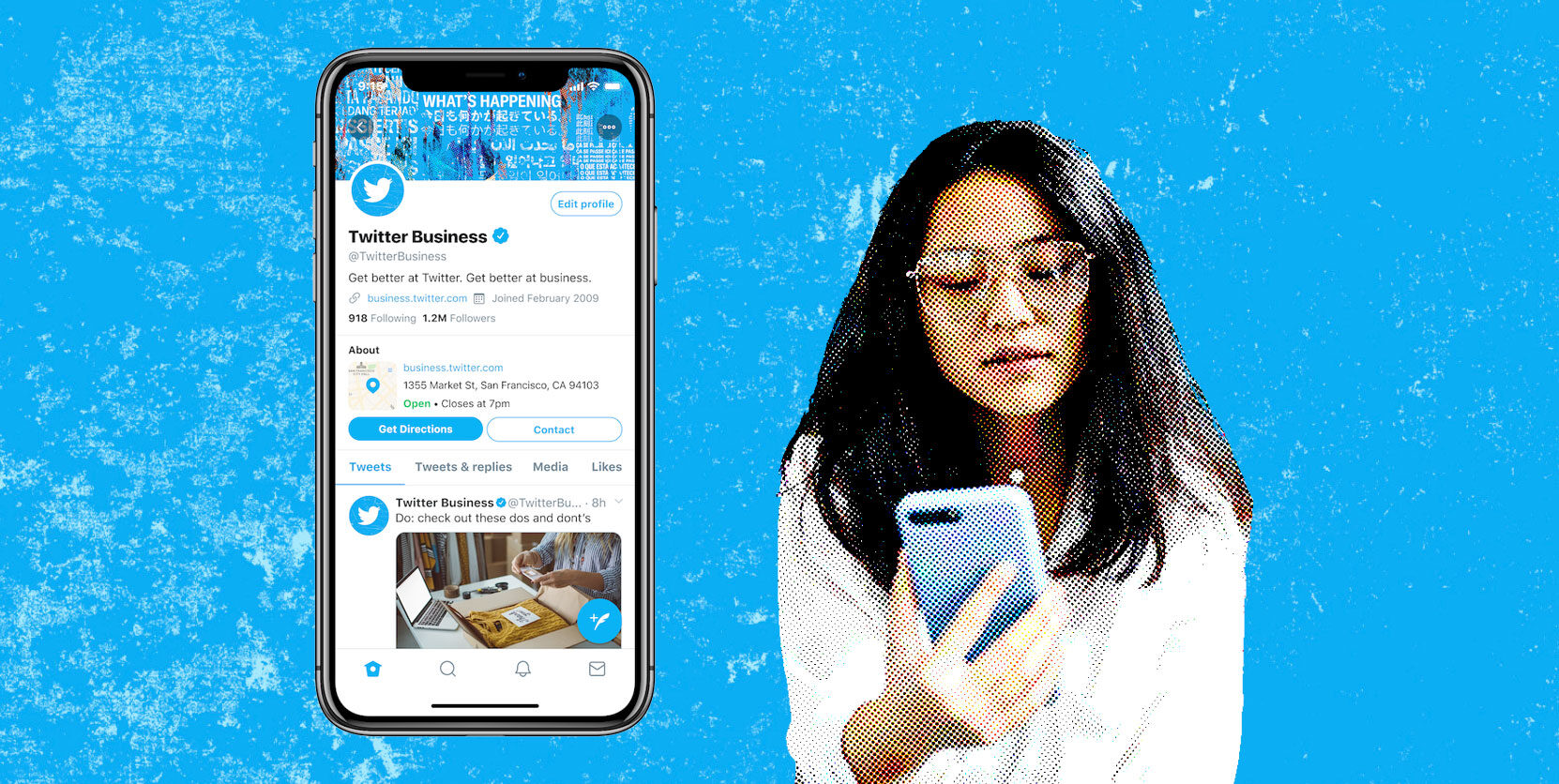
Professional Tweeters: New Business-Friendly Profiles on Twitter

When Facebook’s platforms are down, where do people go for their news feed needs? For many, the answer was Twitter. And with new Professional Profiles in testing, your business presence is about to get a lot more informative. These new Twitter profiles include an About Module that lets you share information about your business beyond your profile description. The About Module has a dedicated space on your main profile page, above where your tweets begin. Add your location for an easy tap-for-directions function for users, show your hours of operations, and include ways people can contact you.

Twitter has been experimenting with a lot of new features lately, introducing new ways to play with content and have a better experience on the app. Professional Profiles seem like one step towards making the platform more business-friendly. With ad options that lead to your profile, having more information than a URL and a pinned tweet makes a lot of sense.

What does this mean for Florida Businesses?

You can apply to be a part of the Professional Profile test now, but most businesses will need to wait until the feature finishes testing. If you have a Twitter account, adding this information in is a must – it’ll be a lot clearer that the account belongs to a business whenever someone visits your profile. You might also get fewer questions about your hours or location, and users can find their way to a brick-and-mortar location with even fewer taps than before. We’re excited to give Professional Profiles a try when they’re ready for the public!

alexander-shatov-rnbihb5o_ho-unsplash-1940627

Photo by Alexander Shatov on Unsplash

Is The Clubhouse FOMO Over? New Recording Features

Since Clubhouse has been around, it’s had an air of exclusivity and FOMO (the fear of missing out) surrounding it. Not long ago, you had to be invited by a current user, could only join on an iPhone, and needed to join the conversation as it was happening to take part. The newest updates from Clubhouse show us that the exclusivity is coming to an end with recorded audio rooms and Clips.

Clips are 30-second audio snippets that any user can download and share to other social channels. This, along with a new universal search feature in the app, is meant to enhance discoverability of conversations and creators. Paired with an upcoming feature for hosts to record their audio rooms, listening to conversations you’re interested in has never been easier. These updates are similar to existing features for Twitter’s audio rooms, Spaces. Twitter has beaten Clubhouse to the punch on the rollout to android, universal access, and hosts being able to download a recording of their chat. It seems that now both Twitter and Clubhouse are looking to enhance discoverability and incentivize creators to use their platform.

What does this mean for Florida Businesses?

With Clubhouse making their content easier to access, we can’t help but wonder: Was the exclusivity part of the draw? Clubhouse specializes in live, authentic audio content that a listener has a chance to take a part in. With recorded sessions, users won’t have the ability to react and will have less FOMO from missing a talk from their favorite creator. Will users still tune in for an hour-long talk when they could just watch a few 30-second highlights? We’ll stay tuned to see how this shakes out – the results might give us a better understanding of whether live content is worth investing in for business owners and entrepreneurs.

Ok, now what?

As we’ve seen, social media works best when you’re providing high-quality content your viewers will enjoy. Liquid Creative is here to help business owners with all their marketing needs, including managing your social media!  We can also help you turn those views into sales with a beautiful website, produce ultra-engaging video content, or brand your business from the ground up.

We’re a full-service marketing agency ready to craft the perfect solution for your business goals. Our talented team can pick up your marketing strategy without missing a beat, help you out with a one-off project, or get your business on the digital map. Call, email, or leave us a message to let us know how we can help you!

7 (Surprising!) Signs That You’re Creative

“Creativity is contagious. Pass it on.” – Albert Einstein

decblog1-1657308

The team at Liquid Creative includes people with different talents, interests, and personalities. Despite our different job titles and roles in the marketing process, we are all creative to the core.
It’s a common belief that only people with certain jobs or hobbies are truly creative. Lucky for us, that’s not true! In fact, creativity is a skill that many of us practice without knowing it. If you can pinpoint how you’re using creative traits in your daily life, you can develop your creativity!

Creativity comes in all different forms. Many people underestimate their own ability to be creative, just because they aren’t a graphic designer or writer. There’s plenty of creative talent hidden among the less creative roles.
So just how do we practice creativity? Let’s take a look at ways you might be displaying your own creativity without even trying.

Watch Out For These 7 Traits

  1. You Constantly Observe — The world is full of interesting, exciting, fun, and odd things happening all of the time. Sometimes, even the most mundane occurrences can spark the imagination. Creative people consistently find themselves closely observing everything around them and taking note of them to think about later on.How To Use This Trait: Part of what makes us unique is the different things we notice compared to those around us. You might not even realize the perspective that you bring to your team! Talk about your observations with trusted team members whenever you can. Together, you might arrive at a conclusion you wouldn’t have found alone!
  2. You Make Opportunity Happen — If you hate the feeling of being stuck in one place (mentally or physically), then you might just be creative! Truly creative people can’t stand stagnation and will seek out new experiences and opportunities to keep life interesting.How To Use This Trait: This can work the opposite way around too! To develop your creativity, put yourself in new situations to broaden your perspective. Always keep an open mind and pursue continued learning – even if it’s just watching some educational videos every now and then.
  3. You Surround Yourself with Individuality — Creative people often have an affinity for the unique. They can appreciate what each individual brings to the table, so they surround themselves with people who are different from themselves.How To Use This Trait: Learn to appreciate someone’s unique perspective. Instead of counting something out because it doesn’t appeal to you, consider the person who made it. What were they trying to say? What does this accomplish? You can appreciate art and content even when it doesn’t quite speak to you. Doing so helps you keep an open mind and relate to other creatives.
  4. You Take Risks — Being shy is not a trait that creative types are known for. Most creative people understand that taking chances (and sometimes failing) is the best way to improve as an individual and as an artist. Therefore, the risk is its own reward!How To Use This Trait: Failure and trying something new isn’t easy for everyone. If you’re more apprehensive than bold, you should start by reframing your experience as an opportunity to improve. An easy first step is to try treating feedback as a peer review. Don’t be afraid to speak your mind, but use your team’s ideas to make your next draft even better.
  5. You Love Working — Whether on the job or on a project at home, creative people take great satisfaction from their work. Even the most basic tasks are rewarding because they are seen as opportunities to bring something unique to the table!How To Use This Trait: You can be happier at work if you incorporate gratitude into your routine. At Liquid Creative, our team celebrates weekly wins together at every Friday meeting! Practicing gratitude and noting your achievements gives you a chance to look back at your work, feel appreciation from your colleagues, and reflect on what you enjoy about your role.
  6. You’re Always Curious — A passion for looking into details and learning new things is a trademark of a creative brain. The famous advertising executive and founder of ad agency Leo Burnett Worldwide, Leo Burnett, put it this way: “Curiosity about life in all of its aspects, I think, is still the secret of great creative people.”How To Use This Trait: Indulge your curiosity! The next time you think “I wonder how…”, don’t stop at wondering. Take a minute to Google your question or find an explanatory video. You might stumble upon a new hobby or some helpful information!
  7. You Don’t Believe in Stereotypes — Creative people are difficult to summarize or peg down, as they tend to be made up of many conflicting characteristics. As a result, they have no use for stereotypes that seek to oversimplify or classify others. They are aware of the fact that people are extremely different from each other and that they are way too complicated to be considered a part of a generalized category.How To Use This Trait: Don’t box yourself in either. You might be reading this, wondering if you can be more creative. You can! Creativity, like many other traits, isn’t just something you’re born with. When you choose how you invest your time, you’re ultimately building up your own unique personality.

Wanna Rock With a Creative Crew?

Liquid Creative takes creativity seriously. It is in our name, after all. We prioritize creativity and development in our culture so we know we’re making the best possible work for our clients. If you want to see what our team can do for your brand, start by contacting us!

How Your Social Strategy Needs To Change This Month

The social media platforms we’ve come to know and love keep flip-flopping and imitating one another. With new players shaking up the game, the established channels are changing so quickly it’s giving us whiplash. This week, TikTok is looking at boost-like advertising while Facebook commits to vertical video. Meanwhile, Instagram is finally ready to be linkable – in Stories, that is. We’ll give you all the details on how these new social media features should impact your digital strategy.

tiktok-liquidcreative-3086064

Photo by TikTok

Advertising on TikTok Just Got A Whole Lot Easier

After building a huge user base, TikTok is ready to cash in. The platform has focused on revenue by appealing to small businesses, adding new business tools, and making advertising easier and easier. Now, they’re taking a page out of Facebook’s book by incorporating promotions for existing organic posts. Their new ‘Promote’ option feels a lot like Facebook’s ‘Boost’ – with just a few taps, you can turn content into digital advertising.

So what do you need to Promote a post? Most importantly, an existing TikTok video. In fact, you should make sure your profile doesn’t look too bare before sending viewers to your page. Then, just select your goal, set a budget, and choose a time frame. And that’s it! You’ll get to watch the analytics roll in for your new Promoted post.

What does this mean for Florida Businesses?

TikTok isn’t going away. The platform has proven that it has the original thinking and strategy to turn its audience into revenue. With the platform already favoring content that feels real, the Promote option might be the way to go when you’re ready to start advertising. Start out with your best-performing post – it’s doing well for a reason – and run a promotion to see what results you get!

instagram-liquidcreative-9741069

Photo by Claudio Schwarz on Unsplash

Links, Searches, and Trends on Instagram

Instagram is giving businesses a little insight into how to use their platform while continuing to tweak their product. First off, social media consultant Matt Navara reports that swipe-up story links are out and link stickers are in. We’re guessing this change might help links stand out and encourage clicks, so be sure to experiment with the new format if you can! These new story stickers are only available to those business accounts that could already use swipe-up links in stories – those with over 10,000 followers – but we’re keeping our fingers crossed that Instagram continues rethinking links.

In other Instagram news, the platform is letting us in on how their search function works. Results that appear during a search are based on (1) the text entered, (2) the user’s activity, and (3) popularity of search results. This means that post and profile engagement boosts your visibility in searches, so be sure to make quality posts that promote clicks, likes, and shares. Instagram also recommends making your profile search-ready with a relevant username, using keywords and locations in your bio, and hashtagging your posts appropriately.

And finally, the latest Instagram Insider shares a few tips on using Reels. Start with content that will inspire or educate your audience, such as tutorials or product videos. Film and design using a vertical 9:16 space. For mobile editing apps to create Reels, check out InShot, Unfold,

or VideoShop. Use relevant hashtags to appear among similar posts. With a little research, you can find emerging hashtags that are less saturated to boost your content. Finally, make sure your content doesn’t carry a TikTok watermark, post it, and share it to Stories and your Feed!

What does this mean for Florida Businesses?

Instagram has admitted that it isn’t a photo-sharing app anymore. With new features being successful, it’s worth trying new strategies to increase your discoverability online. Even if it’s as simple as posting more Stories and strategizing how you can use link stickers, take some time to experiment with your Instagram strategy!

facebook-liquidcreative-3130967

Photo by Facebook

Facebook Gets Reeled Into Vertical Video

The reigning king of social media is hoping to keep its crown by adapting to the latest trends. The trend started back when Instagram introduced Reels, a vertical video that felt very similar to up-and-coming social media star, TikTok. Now, Facebook’s latest earning call confirms that they’re doubling down on video within its portfolio of platforms. According to TechCrunch, that begins with Facebook launching a test of Reels on its Facebook app in the U.S.

So you might see a Reels icon pop up in your News Feed sometime soon. The format has been very successful on Instagram already, so much so that Instagram declared it’s no longer focusing on photos. Combined with Facebook Watch increasing screen time and revenue for the company, it sounds like Facebook is ready to throw its weight behind Reels.

What does this mean for Florida Businesses?

While this is just a test at the moment, it seems likely that this is the next step for Facebook. Vertical video is becoming a must-have for businesses that want to capture attention online. Even if you’re new to shooting videos, this style is meant to be beginner-friendly. Make yourself some Reels and get ready to be discoverable all across Facebook and Instagram!

Ok, now what?

Now that you’re up to date with the latest industry news, it’s time to invest in a team that specializes in all things social media and digital marketing. We can help! Liquid Creative is a full-service marketing agency ready to help your business operate to its fullest potential without missing a beat.