facebook pixel

How The Holidays Affect Your Digital Campaigns

how-the-holidays-affect-your-digital-campaigns-6784519

The last two months of the year are a wild ride for digital ad campaigns. During the holiday season, we have Black Friday, Cyber Monday, and holiday shopping one after another.

Running campaigns during this time can be crucial to reaching a market that’s ready to invest for the New Year or splurge on family and friends. But this season of spending also can make digital marketing a bit more challenging because it significantly increases digital campaign costs and changes user behavior.

How does the holiday season affect your business?

Prepare for changes to your digital advertising this holiday season! We’ll cover a few topics to help you tweak your digital marketing strategy for the end of the year:

Why do digital ad costs increase during the holidays?
How does user behavior change during the holidays?
What type of companies benefit from holiday advertising?
What can your business do to be prepared for the holiday season?

Why do digital ad costs increase during the holidays?

Q4 ends with two big events: Black Friday/Cyber Monday at the end of November and Christmas at the end of December. Both occasions can result in increased consumer sales for B2C businesses. Companies that benefit from holiday sales increase their digital advertising budget to reach more consumers. With this increasing demand for digital ads, the cost of placing digital ads also increases. Since digital advertising works as online auctions (see how digital advertising costs work), the higher the demand over a limited supply of ad space, the higher the price of an ad.

Costs usually start increasing at the beginning of November. You’ve probably seen big brands promoting their Black Friday deals as soon as the day after Halloween. The increase is usually gradual, but you can expect to see over a 100% increase in digital advertising costs by the end of November.

How does user behavior change during the holidays?

While the cost of digital ads is higher during this season, so is buyer activity. User behavior changes drastically, with an emphasis on discount-seeking starting in November. In addition to wanting to buy more items, users also want to buy at reduced prices. Everyone is looking for offers, sales, and discounts—especially on items they’ve been waiting to buy. As December approaches, buying behavior focuses on Christmas gifts and other holiday-related purchases.

Online search for discounts
Online search for discounts during the recent years. Each peak happens around the last week of November. (Source: Google Trends)


The holidays put people in a unique state of mind. Celebrations, family reunions, gift-giving, and the close of another year shift people’s priorities. While buying for certain categories will skyrocket, other products and services won’t be considered until the New Year, often due to increased spending in other areas.

What type of companies benefit from holiday advertising?

Some companies see this time of year as a curse and others as a blessing. Where your business fits should impact your Q4 ad strategy and budget.

Companies that benefit from the holidays

B2C e-commerce companies usually benefit from the holiday season, especially those that sell products and services that are in high demand during this time. If an e-commerce business can maintain a profit while giving a big discount, they’re sure to rake in some sales from online discount shoppers.

If this sounds like your business, increase your ad spend for a healthy return on investment. Some direct-to-consumer companies depend heavily on their end-of-year sales, making this a huge event accompanied by a large digital ad spend.

Companies that don’t benefit from the holidays

There are roughly two kind of companies that don’t benefit from this holidays:

B2C companies with more complex products and services. With a more involved decision-making process or a higher price tag, some consumers will put these purchases off until their bank accounts recover from the holiday season. For businesses with low margins, offering big discounts isn’t viable, which makes it likely that consumers will hold off on buying from them.

B2B companies. Businesses that don’t directly sell to consumers rarely see a benefit in this season. Decision-makers in businesses might be taking time off, preparing for a new fiscal year, or focusing on implementing their own advertising strategy.

Subscribe to our Newsletter
Monthly, easy-to-implement marketing tips to improve your website, social media, digital ads, cyber security, and more.

What can your business do to be prepared for the holiday season?

If your business is unlikely to see a direct benefit from the holidays, here are some tips on how to be prepared.

Find a way to get into the holiday spirit

Not every product or service is the perfect Christmas/Kwanzaa/Hanukkah gift. However, there’s often an indirect way to tie the holiday season into your marketing. Offer a discount or include holiday elements in your copy and graphics. Doing so will help you capitalize on the seasonal state of mind that shoppers are in when they’re browsing online.

Be aware of the cost increase

Many businesses keep their campaigns running without much change. Being aware of cost increases and less effective results helps you tweak your strategy. If two months of low-performing digital ads won’t bother you, don’t change the strategy that works in other months of the year.

Shift your budget

If you are not getting the same ROI as the rest of the year, you can invest your ad spend differently. Although stopping your campaign is not recommended, scaling down your ad spend budget can be helpful—especially because you can reinvest that capital in Q1. When shifting your budget, consider improving other marketing materials, or start Q1 with an additional boost.

Looking to adapt your ad strategy for the holidays?

Adjusting your budget and trying new digital ad strategies is essential for effective ads during this time. For an adaptive digital ad strategy complete with high-quality executions, look no further than Liquid Creative! We use our marketing experience to give you the best recommendations for your business’s digital ads. Contact us today to learn more!
Marketing Money: Where, How, & How Much to Invest

Marketing Money: Where, How, and How Much to Invest


You’ve probably heard the phrase tossed around the office or on social media, but to be clear—a “marketing spend” refers to how much money a business allocates within their operating budget to marketing efforts, which can include Google advertising, social media and email campaigns.

For many business owners, deciding how much money to dedicate to marketing can be a challenging task. Some view marketing expenses as an added cost, rather than an investment vital to their future success.

We know how quickly expenses add up, but if you understand marketing as a necessary investment, it will change the way you feel about marketing spends. And when you see return on your investment, you will be glad you earmarked some of your budget money as marketing moola.

With the right approach and guidance, a well-planned marketing campaign is one of the most powerful tools for attracting new customers, building brand awareness, and ultimately driving business growth.

Determine your marketing budget as a percentage of revenue
What to include in a marketing budget
Make the most of your marketing budget
How much money to invest in each type of campaign


Determine your marketing budget as a percentage of revenue

According to recent HubSpot research, “The amount of revenue businesses allocate to marketing has grown over the past 12 years, with the average at 8.7% of overall company revenue in 2022.

“B2B product industries allocate, on average, roughly 7.8% of revenue to marketing. This is similar to B2C services (6.5%) and B2B services (5.9%). B2C Product allocates the highest amount at 15.1% of total revenue.

“Small businesses are also spending. In a survey of 85 small business owners and marketers, 52% said they’re spending $5–$15,000 per month on marketing.”

How much you allocate will depend on your annual revenue and the type of industry you’re in. Learn more about budgeting by industry.

Marketing Budget by IndustryWhat is the size of your small business Monthly Marketing Budget


What to include in a marketing budget

There’s no secret sauce to a successful marketing campaign because each one will differ business to business. There are staples to consider, sure, but you can’t go out and copy what someone else did and expect it to work miracles. Instead, carefully evaluate the following items and their impact on your overall marketing goals—that’s how the magic happens.

  • Advertising spend: This includes paid advertising on various platforms, such as Google Ads, social media ads, display ads, and video ads.
  • Printed materials: This includes creating and printing brochures, flyers, business cards, posters, and other marketing collateral.
  • In-house team salaries: If you have an in-house marketing team, you’ll need to budget for their salaries and benefits. However, many businesses do not include these expenses as part of their marketing budget.
  • Freelance-marketers: Depending on your strategy and your in-house team, you may need to hire separate freelancers for design, content creation, video production, campaign management, etc.
  • Events and trade shows: If you plan on attending industry events or trade shows, you’ll need to budget for booth rentals, promotional materials, and travel expenses.

If you’re working with a marketing agency, you’ll need to budget for their fees, which can vary depending on the scope of work. The following spends are usually covered as part of a monthly fee when you work with a marketing agency:

  • Software and tools: You may need to invest in marketing automation software, email marketing platforms, or other tools to support your marketing efforts. Most of those costs are already covered when hiring a firm.
  • Content creation: Creating blog posts, videos, social media content, and other forms of content to engage with your target audience.
  • Research and data analysis: You may need to invest in market research, data analysis, and customer insights to inform your marketing strategy.
  • Website and SEO: Website design and development, search engine optimization (SEO), and website hosting fees.
  • Social media management: Managing and growing your social media presence, including content creation, community management, and social media advertising.
  • Public relations: Managing your company’s public image, developing media relations, and executing PR campaigns.
  • Email marketing: Creating and sending email campaigns to your subscribers, managing your email list, and tracking email marketing metrics.
Subscribe to our Newsletter
Monthly, easy-to-implement marketing tips to improve your website, social media, digital ads, cyber security, and more.


Make the most of your marketing budget

Once you’ve decided on a marketing budget, you need to know where to invest your money to get the best results. We’re not talking about the stock market (or Google; although, if you have a time machine to the 1990s, for sure invest in Google!) You, or the agency you’ve hired, should choose campaigns and platforms based on the goals of your particular marketing strategy. Here are some of the most common strategies that deliver great return on investment.

  • Website design: As the foundation for most digital marketing strategies, building or redesigning your website is crucial. Your website must be visually appealing, user-friendly, and optimized for search engines and conversions. It needs to have clear call to actions (CTAs) to turn visitors into leads.
  • Pay-Per-Click (PPC) advertising: Paid search ads can be highly targeted and quickly drive traffic to your website or landing pages. They target people who are actively looking for your product or services. The most well known platforms are Google Ads and Microsoft Ads.
  • Social media advertising: Social media platforms offer a variety of advertising options to reach your target audience, create engagement, and build brand awareness. Take advantage of the information that platforms like Facebook, Instagram, LinkedIn, and Twitter already have about their audience to help you target the specific audience you are looking for.
  • Email marketing: Building an email list and sending regular newsletters and promotional offers can help you stay top-of-mind with your customers and drive conversions.
  • Content marketing: Creating high-quality content such as blog posts, digital newsletters, and infographics can help attract and engage your target audience.
  • Video marketing: Creating engaging videos and using video ads can help you connect with your target audience and drive conversions.


How much money to invest in each type of campaign

There is no standard solution or blanket advice to tell you how much money to invest in different campaigns. The answer for you greatly depends on your goals and strategy, as well as where your target audience is. It’s usually recommended to strike a balance between lead generation ads and brand awareness ads, as they are the two most important pillars of a campaign.

If you’re a new company, awareness campaigns are crucial to introduce your product and lodge your brand in your audience’s mind. These are visual campaigns that include graphics, animations, and videos that run as social media ads, Google Display ads, and video ads. “Out of sight, out of mind,” isn’t just something people say. It’s true! So make it work for you!

If you’re a well-known brand, then you can tilt the scale of your budget more into lead ads. The most common lead ads are Google and Microsoft search ads because they show up when a user is actively searching for what you have to offer. Social media platforms like Facebook, Instagram, and LinkedIn also offer lead-generation ads when users fill in a form directly on the platform—without even visiting your website.

If you need help prioritizing your needs or specific information on how to decide where and how much to invest in marketing, Liquid Creative can help. Contact us today to plan next steps for your marketing strategy and make the magic happen!

What your business can learn from Super Bowl ads, and how to apply the tactics to your own marketing strategies

What your business can learn from Super Bowl ads, and how to apply the tactics to your own marketing strategies

Most small businesses can’t spend $7M on a 30-second TV ad, while at the same time hiring a couple of A-list celebrities and spending some serious money producing a professional video.

While Super Bowl Ad ads are usually reserved for big brands that want to boost consumer awareness, we at Liquid Creative love to look beyond the TV ad and see what big brands are doing with their whole campaign.

In this article, we share four actionable lessons gleaned from Super Bowl ads that any business can apply to improve their own marketing strategies.

Four winning digital marketing strategies small businesses can put in play

Your campaign needs to be everywhere

A campaign is much more than an ad. Some of the most successful campaigns we saw during the Super Bowl broadcast went beyond that 30-second TV commercial and expanded to multiple platforms like social media, video platforms, digital ads, offline activities, and even viral trends. This is because brands need to be present in different touchpoints to reach their clients in multiple moments.

For example, PopCorners was present with their “Breaking Good” campaign on multiple platforms and ad formats, including social media, website, YouTube channel, and on video and search ads. Their campaign was also active before, during, and after the game.

PopCorners Breaking Good Super Bowl Commercial Marketing Ads Breaking Bad

Test and measure results – before, during, and after

Even if you apply the best creative strategies, you can never guarantee how your audience will react to your campaigns until you test them. Testing can be done previous to launching a campaign, during the campaign, or even after the campaign cycle has ended.

If you want to test your campaign before you launch it, you can use focus groups to show your ad to a reduced sample of your target audience. Then you improve the ad based on their feedback.

Another option is to test your campaign once it’s launched. You can do that by doing an A/B test. This means creating two variations of your campaign and monitoring both in real time to determine which one performs best. After a period of time, you stick with the winner.

Finally, if your campaign is already running, check your own metrics and evaluate what worked best (and also what didn’t), so you can focus on what works and make improvements or changes in upcoming campaigns.

For example, Anheuser-Busch ran their Busch Light campaigns in front of focus groups and improved details of their commercials based on feedback before creating the final ad. They checked to see if the message was clear, if the ad was entertaining, and if the brand was recognizable.

Busch Light Super Bowl Ad Marketing

Graphics from Anheuser-Busch / iSpotTV

Subscribe to our Newsletter
Monthly, easy-to-implement marketing tips to improve your website, social media, digital ads, cyber security, and more.

Include a Call-to-Action

Most Super Bowl ads are focused on creating brand awareness. Often, big companies simply need to remind consumers that their brand exists or what it has to offer. But small businesses need to be more actionable. Their campaigns need to motivate users to take a specific action – like visit a website, watch a video, or download an app. Later, you can track those actions and evaluate the effectiveness of a campaign.

Rakuten, Limit Break, and Planters are 3 examples of Super Bowl ads with a call-to-action.

Rakuten, Limit Break, and Planters Super Bowl Ads

Understand who your target audience is and what they are doing when engaging with your ads

Targeting the right audience is key to any marketing campaign. This usually means creating a demographic and psychographic profile of your audience. Demographics define things like age, sex, and geographic location. Psychographic defines things like your audience’s interests, personality, and lifestyle.

While all of these factors are important, you also need to understand where, when, and how your audience is going to engage with your campaign. Are they going to be busy and distracted, or relaxed and attentive? Are they actively looking for your service, or are you doing a cold reach?

Although commercials are an expected part of the Super Bowl, the average audience is not paying full attention. They are celebrating with friends, waiting for the game to resume, and in a heightened mood.

Joe Lennon, Vice President of Insights for Anheuser-Busch recognized this state of mind, which he described as, “a moment of cheers,” when “viewers expect Super Bowl level energy, so the [ad] must match the vibrancy.

Is it time to up your game?

The commercials that air during the Super Bowl have become almost as anticipated as the game itself. Even if your business can’t match an NFL-sized budget, we recommend you implement these four game-changing marketing strategies and get your company a win. And if you need help, pass the ball to Liquid Creative and we can help you.

Dark social: how your business can measure unmeasurable metrics

Dark social: how your business can measure unmeasurable metrics
You can’t manage what you can’t measure …well, you should.


Any business owner that has run a marketing campaign knows the importance of measuring results through valuable metrics. But not all metrics are created equal. They can go from the straight forward pageviews and cost-per-click to the more obscure word-of-mouth and brand-awareness. And in that world of hard-to-pin-down data is when a big part of the magic happens. That is dark social.


Also known as dark traffic or dark funnel, this concept tries to explain the kind of metrics that are not found on regular analytics software and can be difficult to turn into a KPI. The overwhelming amount of digital platforms we use each day is making it harder to track your user’s journey before they convert. As a result, dark social challenges businesses and agencies to look for a more creative approach to measure that valuable information and act accordingly.

In this article we will cover some of those strategies.

But, let’s start from the beginning.

Which marketing metrics are easy to measure

In most digital advertising campaigns, you have 3 key players: your website, social media, and digital ads. Companies need to know what users are doing on their website, how their digital ads are performing, and what engagement they are getting from their social media efforts.

Some of the most common metrics to evaluate are:

  • For websites: sessions, pageviews, conversion, engagement time, and traffic sources.
  • For digital ads: clicks, cost-per-click, conversions, click-through-rate, and impressions.
  • For social media: reach, clicks, comments, share, and everything that falls under “engagement”.

This can be turned into marketing objectives like “increase my website conversions by 20%” or “decrease my search ads CPC by 10%”.

Which marketing metrics are hard to measure?


Scenario #1

Let’s consider this scenario: your company shares a post about one of your services on Facebook. A user clicks on it, goes to your website, fills the contact form and hires you.

Was that social media post responsible for that sale? Absolutely. Is that something you can track? You bet it is!

These are the kind of actions you can track by combining metrics and by doing proper reporting. In a situation like this, you can end up knowing how many sales are directly attributable to your social media efforts.


Scenario #2

Let’s consider another version of that scenario: someone sees that same post on Facebook and it reminds them of a friend that might be interested, so they send it to them through a private message.That person reads the message, and likes the product so much they mention it to their partner. The partner searches for your website, looks for your phone number on Google Business Profile, calls you and ends up hiring you.

Is that Facebook post responsible for the sale? Yes, it still is. Is that something you can track? Well, hardly.

It’s in this world of social media messaging, word-of-mouth, peer recommendation, social proof, and platform-switching where a big part of your brand awareness is taking place.

Subscribe to our Newsletter
Monthly, easy-to-implement marketing tips to improve your website, social media, digital ads, cyber security, and more.

How can you measure these hard-to-measure metrics?

Although there is no foolproof way to do this, we share some helpful tips.

Use UTM codes to track the source of your website visits

You’ve probably seen them a thousand times, and click on them a thousand more, unaware that they were there. UTM codes are an extra line of characters you can add to the URL of your website when sharing it on places like social media post, QR codes, or digital ads. These characters don’t change the destination of your link, but they include additional “parameters” that can help you track information like the source or the campaign.

So, even though you are sharing the same page of your website, you should add different UTM codes when using it on different platforms, like a Facebook post, a Google Search ad, a YouTube Video or in a newsletter.


If someone clicks a link with a UTM code on your Facebook post, and shares it to a friend using a different platform, you can still track this new visit back to that original Facebook post.

You can use UTM codes when linking to your website on:

  • Social media
  • Digital Ads
  • Newsletters
  • QR codes

How to evaluate UTM parameters

You can check those parameters (source, medium, and campaign) on analytics tools like Google Analytics.

Here is a helpful campaign URL builder.

Ask your prospective client: How did you hear about us?

This simple question can deliver very interesting insights and it’s easy to implement. It can be included in places like your website’s contact forms, on surveys, over the phone, or when the user visits your store.

When you are running a marketing campaign, you are probably reaching users on many different platforms, like digital ads, social media, radio, tv, and billboards. It’s not uncommon that your user saw your brand in more than one placement.

When you ask a question like “how did you hear about us?”, you get to understand the placement that resonated better with the user.

At the same time, you can get additional sources that are not technically part of your campaign, like “recommended by a friend”.

Keep track of the answers

It doesn’t matter how and where you ask this question, it’s important to keep track of this information in a centralized document. This way, it will help you see a bigger picture.

Connect the dots

You need to find techniques to connect two or more seemingly unconnected metrics. For example: you air a TV commercial. That commercial is not clickable, but you see an uncommon increase in website visits after the commercial airs. Those extra clicks are most probably attributed to that TV commercial.

Another example is through the impact of social shares by influencers. You might see an unusual peak of visits on your website and after digging around, you find that an influential social media user shared a positive review of your brand on their social media channels and that drove more visits.


Dig deeper

With most metrics, you can dig deeper than the top layer of information. For example: you can see that 20% of your website traffic comes from LinkedIn. That is a useful metric on its own. But you can always do some further analysis and look at what kind of posts triggered more clicks, or at what time of the day you get more clicks, or if there is a relationship between how much your post is shared to the traffic it creates.


Look further away

If you see that you’ve received more, or less, visits than usual, without any change on your marketing budget. It’s time to evaluate external factors that may have had an impact on your results.

For example:

  • You have a new competitor, or an old competitor is stepping up their marketing efforts.
  • Important dates can directly affect your results. For example, learn how the holidays affect your digital campaigns.
  • Social and natural events: from economic turmoil to natural disasters.

Google Alerts

Google alerts is a free tool that allows you to add keywords and receive emails “alerts” when those words are mentioned on places like websites, articles, or videos. It’s a great tool to track when your company, product, or service are mentioned on other websites. And, yes, you can track your own name too.


Additional dark social considerations

Dark social teaches us that, even if we give our best effort, we will not be able to track every metric. That’s why we need to have the following approach to marketing.

Have a comprehensive marketing plan

In our competitive landscape, running a couple of Google Search Ads campaigns doesn’t cut it anymore. You need a comprehensive marketing plan tailored to your goals and how you want your business to grow. This includes offering a coherent brand experience on every touchpoint, from social media and digital ads, to the content on your website and the way you greet your clients at your company.

In these types of marketing ecosystems, you need to plan the role each platform will have in the overall experience, as well as how they interact with each other. This needs to be done in a deliberate and strategic manner.

Your brand needs to be everywhere

It’s a well known marketing principle that users need to interact with your brand 7 times before they become aware or act upon your call to action. Although it’s quite a generalization, it’s true that the more places your brand can engage with a customer, the more likely you are to reach them with your message.

Don’t put all your eggs in one, or few, baskets. And if your budget is limited, cherry pick the most important touchpoints based on understanding where your target audience moves.

Understand that the reach of a campaign goes further than its metrics

As we mentioned before, metrics are a valuable tool to evaluate your campaign. This, often real-time data can measure how your different campaigns are working. But it’s crucial to understand that the impact of your campaigns goes way beyond these metrics.

For example, if you run a Google Search campaign, you can measure the amount of clicks, cost per clicks, and even conversions directly attributable to that ad. Now, consider the following: a user that searched for your services, maybe didn’t click your ad right away, but that simple ad is part of a bigger awareness campaign. By seeing this ad, this person will have a better recollection of your brand the next time they see it somewhere else. And this will increase your chances of them engaging with you.

Want to start your comprehensive marketing campaign?

At Liquid Creative we love metrics and they area key aspect of every comprehensive marketing campaign we create for our clients. If you want to grow your business and are looking for a marketing strategy that includes website design, digital marketing, or video production, but that goes beyond these platforms in order to achieve results, give us a call.

How We Use Winning Digital Strategies To Grow Our Clients’ Businesses

How We Use Winning Digital Strategies To Grow Our Clients' Businesses

We invite you to check the strategy behind our award-winning work that grew CorsPaint’s sales by 60% and helped Straight Line Construction close 10 leads per week and increase their ROI x 10.

This year, we took home 12 awards from the Florida Public Relations Association for the work we’ve accomplished with our clients in Gainesville and Ocala.

We’re thrilled to be recognized, especially from an organization with such a high standard for research-based, strategic campaigns! Professional recognition from our colleagues is the icing on the cake after celebrating amazing ROIs and milestones with our clients.

So how did we do it? Here’s a quick breakdown of our two winning campaigns!

Earning Over 10x ROI for Straight Line Construction

Awards Won at the Florida Image Awards & Mid-Florida Image Awards in 2022:

  • Video:
    • Florida Golden Image Award
    • Florida Judges Award
    • Mid-Florida Image Award
    • Mid-Florida Judges’ Award
    • Mid-Florida Grand Image Award
  • Website:
    • Mid-Florida Image Award
    • Mid-Florida Judges’ Award
  • Promotional/Marketing
    • Florida Golden Image Award
    • Florida Judges Award
    • Mid-Florida Award of Distinction

Our work for Straight Line Construction showcases our strengths as a full-service marketing agency. With everything from a new website to video work to expanding their social media presence, we helped show the world what makes SLC different.

Setting Goals and Determining Strategies

After taking the time to understand SLC and their positioning in the market, we worked with them to set goals that would grow their business. Each goal was translated into strategies and specific marketing tactics we’d use to make it happen.

To improve their online presence, we created or redesigned the digital platforms that their clients would use to find them. We did this by:

  • Designing a stunning new website
  • Managing a consistent social media presence across Facebook, Instagram, YouTube, Pinterest, and Linkedin
  • Creating Google Business Profiles for their two locations
  • Showing off their amazing work with videos


To increase brand awareness we put their brand in from of their users by creating:

  • Display ads on Facebook, Google, Microsoft and Pinterest
  • Video ads on YouTube and Social Media


To generate high-quality leads

  • We streamlined their lead generation process on their website and social media so users could contact them any way they wanted.
  • We implemented search engine optimization (SEO) strategies so SLC showed up when users search for their services
  • We ran search ads on Google to connect SLC with interested prospects.
  • We optimized their local citation platforms like Google Business Profile, Bing Locations, and Apple Maps


Designing a UX Driven & Google Search Optimized Website

award winning web design and development

When creating a new website for SLC, we equally considered making it true to their brand and optimizing it for lead generation. The website copy increases discoverability with SEO keywords while still speaking to their unique value proposition. We took every opportunity to establish brand trust with renovation galleries, reviews, employee videos, helpful blogs, and more. At the top and bottom of every single page, users are prompted to contact SLC, encouraging high-quality leads.

Establishing Trust & Awareness Through Content Marketing

Pinterest Content Social Media Strategy

See the latest on SLC’s Pinterest!

To begin a brand relationship between SLC and prospects, we created monthly content that provides value to the target audience while encouraging website visits, phone calls, and form fills. Our content calendar included blog posts that improved SEO, engaging video content for social media, and a strategy to bring the brand to Pinterest.

Generating High-Quality Leads Across Platforms

google ad strategy search ads and display ads

Our paid advertising strategy improved both the quantity and quality of SLC’s leads. The newly optimized website helped us lower the cost per click of our Google search ads. To bring the brand to more people, we began running social media, display, and YouTube ads.

The Results of Strategic Digital Marketing for SLC

digital strategy comparative results straight line

Our campaigns helped SLC earn at least $2 million in revenue and $600,000 in profit. We accomplished a return on investment of $532,000, or over 10 times SLC’s marketing spend.


Growing CorsPaint’s Business by 60% in 1 Year


Awards Won at the Florida Image Awards & North Florida Image Awards in 2022:

  • Digital Promotion:
    • Florida Award of Distinction
    • North Florida Image Award


Throughout 2021, we worked alongside CorsPaint to showcase their brand digitally. They already had great word of mouth – it was up to us to translate that into digital presence. Through social media posts, blog content, and paid advertising, we helped CorsPaint expand their business and hire 3 new teams of painters!

Setting Goals and Determining Strategies

We worked with CorsPaint to understand how people were finding out about their business – and how they weren’t. After identifying missed opportunities to generate leads and build brand awareness, we decided on a few key digital strategies to accomplish our objectives.

To position CorsPaint as professional and reliable we created blog content and social media posts that showed their expertise and outlined their process.

To generate brand awareness we used search ads and SEO strategies to reach a larger audience.

To generate high-quality leads we created marketing funnels through digital advertising and organic search results.

Creating Consistent, Branded Social Content

branded social media content

To create a digital presence for CorsPaint, we first turned to social media. Consistently posting content on Facebook and Google Business Profile shows credibility and lets the audience get to know your business. This was an ideal way to begin positioning the brand as approachable experts. We highlighted customer reviews, shared industry knowledge, and highlighted the process.

Writing SEO-Friendly Blog Content

strategic blog post content for seo
See the latest blogs on CorsPaint’s Paint Talk!

Creating search-engine-optimized blogs both provides valuable information to customers and improves your website’s ranking on Google. We answered some of the most-searched questions related to painting, creating a resource that CorsPaint could easily reference when onboarding customers.

Reaching New Customers Through Search

google ad strategy search ads and display ads

Google searches are essential for local service companies. We immediately identified that CorsPaint could be reaching many more customers as they were searching for painting services. We began running and optimizing search ad campaigns, which were helped along by our monthly SEO blogs. In less than a year, we lowered our cost-per-click by 59% – just $1.11 by the end of 2021. By reducing our cost per click, we were reaching more customers for the same budget.

What We Accomplished with Our Digital Campaign for CorsPaint

digital strategy comparative results corspaint

Our digital marketing for CorsPaint brought in 8-10 leads a week through online forms and phone calls. Customers reported finding CorsPaint through Google, a clear sign that our search ads and SEO strategies were paying off. Thanks to the increased demand, CorsPaint expanded from 5 teams to 8, expanding their business by 60% in just one year.


Let’s Start Your Award-Winning Campaign!

We’re so proud of the results you see above. Not because of the awards or the numbers, but because we helped these businesses grow! We take partnering with businesses seriously. Knowing your business inside and out makes celebrating wins like these even more rewarding.

If you’re looking to expand your business, we want to talk to you! We’re a full-service marketing agency, dedicated to propelling brands forward. Our team translates your goals into marketing strategies, delivering results like the ones you see above. To see what award-winning marketing can do for your business, contact us!

6 Website Trends You Need To Use For Your Business

In the digital age, your business success depends on your website. It’s a huge piece of any digital marketing puzzle. Social media, digital ads, and quick Google searches will all lead your potential customers to this one place. So how do you win them over once they get there?

There are already plenty of lists detailing 2022’s hottest website design trends. But how effective are they at converting website traffic to leads? In this blog, we’re breaking down the website trends that make the most sense for today’s business owner. We’ll turn today’s trends into timeless lessons that will help you improve the functionality and experience of your site.

1. Brand Videos To Tell Your Story


Video is hands-down the most engaging medium available. Let’s face it – it’s a lot more likely your prospects will watch a 3 minute video than read through text for 3 minutes. That’s why so many businesses are choosing to tell their brand stories through video, featured on their website homepage.

Brand videos put a face to the name, show what you’re capable of, and show the personality behind your business. They let viewers get to know you before they’ve even spoken to you. And that makes them all the more likely to reach out.

Featuring a video on your website is like greeting a customer when they walk into your store. It feels personal and welcoming, more so than any positioning statement ever will.

2. Features That Enhance User Experience

Example of Florida Construction Cost Calculator for Hurd Construction

Functionality comes first in website design. Many companies have unique needs for how they’ll interact with the customers online. For example, real estate agents may want to use plugins with always up-to-date listings while a healthcare clinic may need a way for users to schedule their next appointment.

The best custom websites are the ones that make your job easier. It might be difficult to navigate plugins and integrations on your own, so we recommend hiring a web design agency to get maximum usability out of your site.

A great example is the Cost Calculator we created for Hurd Construction. This free resource is valuable to website visitors – so much so that they’re willing to enter their contact information to view the resource. With a resource like this, the customer gets a helpful tool and you get a high-quality lead who already knows your name!

3. Mini-Sites and Landing Pages

Example of mini site for GRU 2021 Year in Review

Mini-sites are all the rage nowadays. Businesses use them to build hype for events, spotlight new services, and drive specific results. Also called micro-sites, these websites can stand on their own while adding to the brand’s overall appeal. With the added effort and cost required of microsites, we’d recommend these more often for larger campaigns, national brands, and long-lasting content.

If you’d like to skip buying a new domain name and designing a whole new experience for your micro-site, a landing page is a great compromise. Landing pages can help you turn your Google ad clicks into quality leads or help you promote a specific part of your business

For example, a landing page is ideal for a limited-time promotion. You can use it as a way to draw in prospects with a specific interest, add a sense of urgency, and collect leads interested in a particular product.

4. Surprise & Entice With Scroll Effects

Example of interactive scrolling for The Ocala Mortgage Guy

Interactive scrolling effects keep the user’s interest as they continue down the page. Website designers have gotten creative with different ways to use scrolling, but most concepts fall under parallax scrolling. Parallax scrolling refers to different objects on the page moving at different speeds, giving the screen multiple levels of depth.

Another common trend is using fixed elements that stay on the screen no matter how far you scroll. With a fixed website header, you can make navigation easy or keep your phone number on screen at all times.

Bonus tip: Design your website so that the next section is always visible on screen. While we concentrate on a clear and powerful message “above the fold”, showing a glimpse of the following section can encourage users to scroll down and learn more.

5. Use Motion To Enhance Text & Icons

Website Icon Animation

Incorporating motion into your website helps you capture the attention – and hearts – of your audience. Whether it’s lightly animated icons, scrolling text, or even interactive hover effects, motion gives the user more incentive to look around and take in your messaging.

To take it one step further, use videos throughout your website as an engaging way to tell your story. This is ideal for your About page, to inform viewers about your process, and even to feature testimonials about your business. Video is an ever-growing opportunity to show all you have to offer and put your personality on display. There’s no better place to start than your website!

6. Testimonials & Connections To Review Sites

website Testimonials & Connections To Review Sites

Example of client testimonials for The Walker Advantage Team

Customer reviews and testimonials are the most convincing way to get new customers from your website. Reviews, both on your website and on other platforms, and essential to establishing your credibility. They give your audience a clearer picture of what working with you might look like, which can sway them towards giving you a call.

You can even automate your website with plugins that automatically fetch the newest reviews! These features connect your website to ranking platforms like your Google Business Profile, Facebook, Tripadvisor, Yelp, and more. These review integrations keep your website updated and give visitors a quick way to visit your social profiles.

Modern, Engaging Websites Start Here

We’re surrounded by websites every time we hop online. Simply having a digital presence isn’t enough to earn someone’s business. Being found and being remembered both require engaging content, captivating design, and advanced technical knowledge. Luckily, we can help you with all three!

With a dedicated team well-versed in today’s website trends and best practices, Liquid Creative has everything you need for a stunning site. From copywriting to design to development, we’ll guide you towards a custom website you can’t wait to show off. We’re proud to create websites that are equally functional, engaging, and search-engine optimized. Contact us to learn more!

What Is Adaptive Marketing?

What Is Adaptive Marketing?

Adaptive marketing is a key advantage for your business. Here’s Why.

Companies live in a competitive environment that changes fast. New technologies, new trends, new competitors, and new social issues affect our businesses and the marketing landscape. With each shift, you have a choice to make: hold fast or find a way to adapt?

Each change brings an opportunity to grow your brand. If you can stay agile and open to new ideas, you’re perfectly poised to make the most of an ever-evolving landscape. This is especially true when it comes to marketing: if you listen to the analytics, setting aside your own preferences, you’ll achieve better results and optimal campaigns.

So how can you capitalize on your campaign analytics and overall marketing trends? In this blog, we’ll dive into how you can stay ahead of the curve with adaptive marketing.

What Is Adaptive Marketing?

In a nutshell, adaptive marketing is optimizing your strategy as you go. Instead of setting and forgetting a marketing campaign, an adaptive marketer takes the opportunity to learn from campaigns as they’re running.

With adaptive marketing, your campaigns should improve month by month. The result of each campaign – good or bad – should influence how you approach the next one. Each marketing campaign doubles as a fact-finding mission, telling you more about your target audience, the channel you’re using, and your ideal messaging.

The adaptive marketing approach may mix different platforms – both online and off – to create an evolving campaign ecosystem that brings insights. After launching a new strategy or marketing tactic, an adaptive marketer will tune in to the analytics, searching for ways to improve future campaigns.

Subscribe to our Newsletter
Monthly, easy-to-implement marketing tips to improve your website, social media, digital ads, cyber security, and more.

What Do Adaptive Marketers Evaluate?

You can’t be an adaptive marketer without analytics. By keeping an eye on the metrics from Google and Facebook ads, website traffic, or social media engagement, marketers see what’s working and what isn’t.

There’s every opportunity to try new approaches, expand to new channels, and A/B test your creative. But you won’t know how it’s working until you begin monitoring the results. Pay attention to what the analytics tell you and use the additional information to continue optimizing your marketing strategy.

To evaluate your marketing campaign, ask the following questions:

  • Are we meeting our KPIs (Key Performance Indicators)?
  • Are campaigns working as intended?
  • Which campaigns are the most successful? Why?
  • Which campaigns aren’t working as we hoped? Why?
  • What did we learn from the most successful campaigns?
  • How can we improve less successful campaigns?

With your evaluations complete, it’s time to take action. Take the opportunity to boost or extend your successful campaigns. For less effective campaigns, decide whether to pause or hit shuffle. You can use your newfound knowledge to improve the creative, or just refocus your budget on what’s already working.

The key to adaptive marketing is acting based on the metrics you gather – whether it’s optimizing a campaign or pivoting to an entirely new direction.

Factors to Consider in Your Marketing Campaigns

Adapting Your Marketing: Short Term Game vs. The Long Term Gain

You should always be looking to improve your marketing strategies – adapting to the short-term game for long-term gain.

In the short term:

  • Focus on key performance indicators and determine whether you’re meeting the goals you set.
  • Play around with new ad copy, conduct A/B testing, and compare results of similar campaigns on different social media networks.
  • Pay attention to your campaigns. Never let a strategy play out without checking in on it. If an issue arises, you’ll want to know about it sooner rather than later.
  • Each campaign should be adjusted based on the target audience and the platform. If you’re repurposing a Facebook ad for Pinterest, make sure you optimize the graphic and rework the copy.

In the long term:

  • Be on the lookout for new platforms that may serve your business.
  • Stay up to date on the latest features of established platforms. Be inventive about how you use your website, your Facebook page, and more.
  • Use the data and evaluations you’ve conducted to gain insights about your audience. By thinking analytically about why certain campaigns perform well, you may see an opportunity to adjust your brand voice, positioning, and future promotions.

How To Start Adaptively Marketing Your Business

With the need to regularly evaluate results and optimize your marketing campaigns, not everyone is equipped to succeed with adaptive marketing strategies. Since it requires technical skills, industry knowledge, and creative problem solving, it can be time consuming for business owners to monitor and adapt their marketing.

Partnering with a full-service marketing agency is ideal to make the most of an adaptive marketing strategy. At Liquid Creative, adaptation is essential to our process. When you partner with us, we take time to understand your business, analyze your best performing campaigns, and even dig into third party research on your industry. With constant evaluation and regular updates, you’ll know your campaigns are being effectively optimized.

Learn more about how we can grow your business! As a full-service marketing agency, Liquid Creative can offer a full suite of services tailored to your goals. Contact us today to get started!

Make The Most Of Your Social Posts: The Best Times To Post in 2022

Best Times To Post on Social Media in 2022

The Perfect Posting Times & Hashtag Strategy

When you put your time and energy into crafting a content calendar, the last thing you want is to watch it fall flat. Seeing your post get a handful of likes can deflate your motivation to create organic content in the first place. But don’t give up! Organic social posts verify your brand, add value for your audience, and show the humans behind the operation.

If you’re struggling with social, here’s the latest on how to ride the algorithms to success. Try incorporating these tips, experimenting with different types of content, and reviewing your analytics monthly to see what’s working.

The Best Social Media Posting Times For 2022

The Best Social Media Posting Times For 2022

With the return of Instagram’s chronological timeline, you might be revisiting when to make your social media content live. The optimal time to post has changed along with our daily routines. Sprout Social has gathered updated data on when users are engaging on social media. While every brand’s ideal posting time will vary based on their target audience, these figures show you when all users are most active on the platform – a great starting point for finding what works for your business.

The following times have been updated to Eastern/New York time.

The Best Times To Post Across All Platforms

  • Tuesdays through Thursdays at 10am or 11am are the best times to post on social media.
  • Sunday is the worst day to publish your social content.


The Best Times To Post On Facebook

  • Weekdays at 4am, reflecting just how global Facebook’s audience is. We don’t recommend posting at this time unless you’re looking to reach an international audience.
  • Tuesdays at 11am and 1pm.
  • In general, the highest engagement is seen between 8am and 2pm.
  • The worst day to post on Facebook is Saturday.


The Best Times To Post On Instagram

  • Mondays at noon.
  • Tuesdays and Wednesday from 11am to 2pm.
  • Thursdays and Fridays from 11am to noon.
  • Sundays are the worst days to earn engagement on Instagram.


The Best Times To Post On Twitter

  • 10am on Mondays, Tuesdays, Wednesdays, Fridays and Saturdays.
  • Avoid posting your Twitter content on Sundays.


The Best Times To Post On LinkedIn

  • Tuesdays from 11am to 1pm.
  • As a business platform, avoid posting on LinkedIn over the weekend.

What does this mean for Florida Businesses?

For further research into when to post, be sure to check out your insights and analytics on each social media platform. The above times are a great baseline. However, mileage may vary based on when your unique audience is active. Make a note of when you receive the most impressions or engagement and adapt accordingly.


Instagram Hashtag Strategy

Instagram: How To Add Value Through Hashtags

Do hashtags encourage views? According to Instagram Chief Adam Mosseri, not really.

The realization was confirmed by Social Insider’s recent analysis of 75 million Instagram posts, showing when and how hashtags influence posts. With the ever-changing algorithm and product updates, here’s the latest of how you should use hashtags on Instagram.

How Businesses Should Use Hashtags on Instagram

  • Use about 5-6 hashtags per post. Though hashtags don’t have a ton of influence on your reach, accounts with under 5,000 followers saw the highest impressions when using 5-6 hashtags.
  • Don’t use the same hashtags with every post. Using fewer hashtags on each post also gives you plenty of room to experiment. Remember that this feature is ideal for categorizing your content, so use hashtags that deal with the post’s specific content when possible.
  • Include your location as another way of reaching your audience. Tagging your city or specific location in your posts gives users a new way to discover your business. We highly recommend this for brick-and-mortar locations and other local businesses.
  • Create a unique branded hashtag to encourage user-generated content. Using your brand’s name or another fun hashtag can give people a way to easily see posts relating to your business. You can even encourage customers to share their photos with your hashtag for some online word-of-mouth.
  • Interact with people using the same hashtags as you. Instagram highly values accounts that are active and engaged on the platform. Before and after you make a post, like and comment on a few posts that use similar hashtags. This lets Instagram know what kind of content you’re interested in, which helps the algorithm push your posts to interested users.

What does this mean for Florida Businesses?

Long story short, hashtags don’t meaningfully improve impressions. However, using them correctly can help you find your people and even be discovered. Don’t spend too much time fretting over your tags, but do include them in ways that make sense for your business.

Ok, now what?

Ready to shine on social media? We combine high-quality content with the strategic secrets for success – some of which you’ve just read about. Liquid Creative is a full-service marketing agency with proven experience creating consistent social content for all kinds of brands.

We’re a full service agency propelling brands strategically through inspired & adaptive marketing. That means we can turn your views into sales with a beautiful website, produce captivating video content, or brand your business from the ground up. Call, email, or leave us a message to let us know how we can help you!

Find Your Audience: How To Define & Reach Your Target Audience

how-to-define-and-reach-your-target-audience-7139564

You’ve got a great product. You’ve got a great business. Now, it just comes down to getting people interested.

Identifying your target audience is the first step to meaningful marketing. In this article, we’ll take a look at how business owners can expand their sales by reaching the right audience with the right message.

The Importance of A Target Audience

To speak directly to someone, you need to know who they are. And unless you’re speaking directly, your message will be lost in a sea of annoying advertisements.

We’ve gotten so good at blocking out ads everywhere they exist. People only bother to pay attention when it’s obvious the message is meant for them. To get past the filter, you need to speak to a specific segment of people based on demographics, interests, motivations, or some other deciding factor.

Start by looking at your current and past customers or your audience on social media. Who are your messages already resonating with? Who else do you want to reach? Consider these factors to help you define your target audience:

  • Demographics: Start by looking at the statistics of your current audience involving location, age, and gender identity.
  • B2B Demographics: If you’re selling to professionals, consider their industry, business size, and job titles.
  • Interests: What hobbies, professions, and interests do your customers share? This could be directly related to your business or something adjacent.


Creating A User Persona

Now it’s time to put a face to your target audience. Pick out just one representative from your target audience and give them a name – this is your user persona or buyer persona. You can even choose a relatable celebrity with traits you’d find in your target audience. This exercise will help you step into the audience’s shoes and create more compelling messages. After deciding on a buyer persona, consider the following before creating your brand messages:

  • Motivations: Why would this person buy your product? How does it align with their interests, goals, and values?
  • Challenges: What would stop this person from becoming your customer? What are their hesitations, fears, or obstacles in terms of your business?
  • Buying Behavior: What is their buying process? Is the purchase decision influenced by research, brand loyalty, or impulse?
  • Communication Preferences: What communications does this person enjoy? What annoys them? How are brands able to reach them on a typical day?


Be Where Your Audience Is

What media does your buyer persona consume every day? You should be advertising in those places. With messages that speak to their specific hesitations, interests, and behaviors, you’ll grab their attention and deliver your most impactful message yet.

Here’s where to start to figure out where to find your audience:

  • Local Audiences: You can reach individuals in your city with outdoor advertising like billboards, transportation advertising, and local sponsorships. To target a particular demographic within your area, look into buying a radio or magazine ad – they’ll have insights into the specific demographics of their audience to share.
  • National Audiences: To step into the world of national advertising, try ads on streaming services, niche magazines, and satellite radio.
  • Audiences By Interest: The best way to advertise to an audience based on their interests is through digital advertising. There’s just no beating Facebook and Google ads, thanks to their algorithms and information about user activity.
  • B2B Audiences: Buy ads in trade publications, set up a booth at a trade show, and be present in professional organizations. You can also use LinkedIn to reach this audience online.
  • Hyper-Local Audiences: Make sure your brick-and-mortar location is clear with signage that can be seen by traffic driving by. You can also target specific areas with direct mailing, such as Every Door Direct Mail.
  • Other Promotions: If you can think of a brand that shares your target audience, find a way to partner with them. This can look very different, but it could include sponsoring events, appearing on podcasts, or exchanging shout-outs with another business.


Digital Tools For Selecting Your Audience

When advertising digitally, there are so many ways to define who will see your ad. You can set demographics and interests that align with your brand’s target audience. As the ad runs, algorithms will tweak who sees your ad based on how users interact with it. Optimizing your audiences will also help you lower the cost of your digital ads.

  • Selecting Demographics: Each platform has their own ways of understanding demographic information of their audience. This includes location, gender, age, income bracket, education level, marital status, and more.
  • Selecting Interests: We spend an increasing amount of time online, where we engage on social media, search, watch videos, read articles, and more. Every little online interaction is evaluated by algorithms to give companies like Facebook and Google a very accurate depiction of our interests. Thanks to that, we can target our audiences by interests like specific products, services, music styles, brands they follow, jobs, industries, etc.
  • Platform -specific targeting: Each platform varies its offer and the accuracy of its targeting depending on its own characteristics. For example, Google knows what you are searching for, Facebook knows how you interact with brands, and LinkedIn knows what you do for a living. It’s important to understand the scope of each platform when planning your digital strategy
  • Limitations: Platforms like Facebook and Google adhere to advertising laws for specific industries. You won’t be able to target housing or hiring ads by anything other than location. Ads about health must not be misleading and can’t promote negative self-perception. In all ads, you can’t assume personal attributes about the reader. You can read more about Google Ads Policies and Facebook Ads Policies.


Remarketing: How To Use A Foot In The Door

After your digital ads have run for some time, a few people have clicked through to your website. Is there any way to turn that interest into a purchase?

Platforms like Google, Facebook, AdRoll, MailChimp, LinkedIn, and more offer the option to run remarketing ads. These ads will be displayed only to the people who have interacted with your brand online in some way. These interactions include visiting your website, engaging on social media posts, watching a video, or opening an email, among others. Now you have your foot in the door and it’s time to close the deal.

With a digital remarketing campaign, you can craft your message to be more direct. The audience knows your brand name and what you offer, so tell them why they should act now. You can use time pressure, offer a discount, or directly answer your buyer persona’s main hesitation.

Want To Nail Your Message?

At Liquid Creative, we craft targeted messages that speak directly to your audience on any medium. As your full-service marketing partner, we offer everything from digital advertising to public relations work. Contact us today to get started!

New Year, New Trends 2022

new-year-new-trends-4450022

How to Shift Your Social Strategy in 2022

It’s the start of a new year and we’re already sifting through tons of social media updates. We’ve sorted through all the tiny platform changes and absurd campaigns (looking at you, TikTok Kitchens) to find the news that matters most to business owners and social media managers. For our first marketing trends blog of 2022, we’ll look at the future of Instagram, Twitter strategies, and a new mobile video editing tool to try out!


instagram-new-feed-options-more-video-and-other-goals-4248934
Instagram: New Feed Options, More Video, and Other Goals

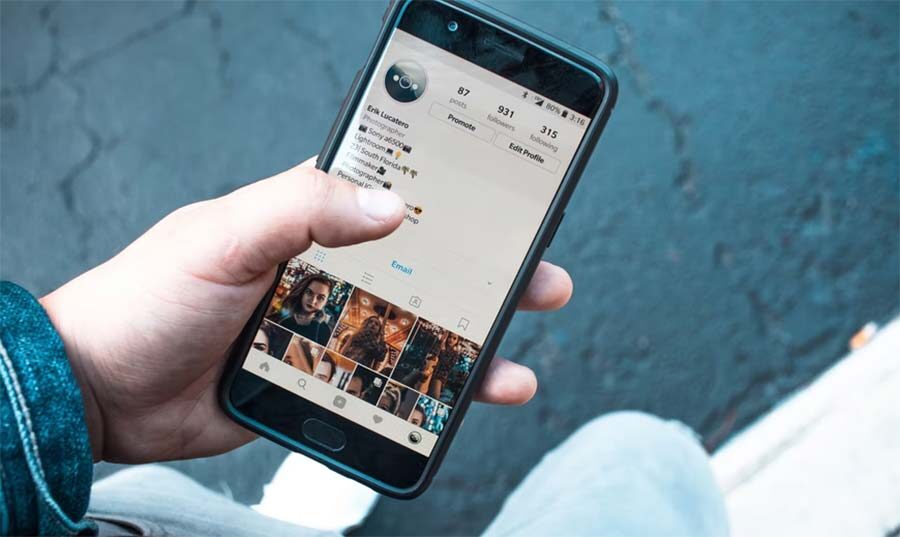
The Head of Instagram, Adam Mosseri, took some time to tell us about upcoming changes on Instagram through, you guessed it, Instagram Reels. First, he addressed changes to your Instagram Feed that are already in testing. The update here is three options for sorting your feed:

  • Home: This is your Feed as you viewed it in 2021. You’ll see posts from accounts you follow ranked by an algorithm intended to determine your interest. With the additional sorting options, you may begin to see more suggested posts popping up in the Home feed throughout 2022.
  • Favorites: The Favorite Feeds puts you in control of what you see. Make sure to favorite accounts you’re the most interested in for an easy way to view their content.
  • Following: If you’re looking for the classic Instagram experience, switch to “Following” to view just posts from accounts you follow in reverse chronological order. That’s right – there’s finally a way to get around the algorithm!

In another Reel, Adam shared Instagram’s top priorities for the coming year. The platform will continue to focus on video content while working towards being the best place for people to share messages. Instagram is also continuing to value being transparent and finding ways to support creators on the platform.

What does this mean for Florida Businesses?

We have a few predictions of how the additional sorting options for Feeds will impact business accounts and content creators. First, additional suggested content on the Home feed could make using hashtags even more important. You’ll also want to interact with other accounts in your area and within the same industry so Instagram understands what users to recommend your content to. Second, the Following feed will push content to your followers more effectively, provided you post at times when users are active on the app.

twitter-how-to-plan-topics-in-2022-3791038

Twitter: How To Plan Topics in 2022

The team at Twitter shared a new resource dedicated to helping you strategize your Twitter presence this year. The 2022 Twitter Planner is designed to get you started with a ‘brand guardrails’ worksheet, monthly planning spaces, and pro tips from the experts. Here’s a breakdown of the advice they shared:

  • Use rich media for better engagement. Include short videos, gifs, and images in your Tweets as often as possible. Visual Tweets will get more engagement than just text.
  • Write concise copy with a clear call to action. For promoted Tweets and direct organic Tweets, let the user know what you want them to do. Experiment with different ways of delivering a strong call to action.
  • Keep your content human. Users are looking for authenticity, so remember to speak conversationally. Balance being direct with being human and keep track of how different audiences respond to each approach.
  • Give discounts in the form of a percentage. When announcing a sale, Twitter has seen better responses from posts that give a discount as a percentage. Instead of saying $20 off, say 20% off for better engagement.
  • Keep videos and images straightforward and on-brand. Videos should be 15 seconds or less, opening with a product, and showing your branding more than half the time. Images should have limited text and convey a point with strong, scroll-stopping visuals.

What does this mean for Florida Businesses?

Check out the full PDF for more tips and tricks to guide your Twitter strategy. In general, don’t be afraid to engage and try some things on Twitter. Give yourself time to brainstorm content for each month, but keep the strategy open enough that you can get in on those viral moments. Sticking squarely to a pre-written social strategy means you’ll miss out on the next Squid Game moment or trending hashtag. Know how you want your brand to come across and get in on the conversation this year!


snapchat-create-video-content-with-the-new-story-studio-app-3812382
Snapchat: Create Video Content With the New Story Studio App

The rise of TikTok changed what we look for when creating social media content. It’s become clear that authenticity matters more than well-produced video for younger audiences. In 2021, many brands adapted their strategies to embrace creating content themselves. With more of a focus on being a part of the newest trend, speed led to many content creators embracing new ways of filming and editing video – often within just an hour or so.

Now, social media platforms are also content creation platforms. Instagram’s Reels editor has been racing to keep up with TikTok’s intuitive editing functions. And now, we’ve got one more option with Story Studio from Snapchat. Story Studio is in its early stages, but available on the app store for trend-setters to try out. So far, ratings are high, with users happy to add AR effects to existing video, use transition effects, and time their videos up with Sounds from Snapchat. This video editor allows for easy export to its sister app, but also allows you to edit vertical video for use around the internet.

What does this mean for Florida Businesses?

TikTok remained high on the app charts through the end of 2021. Even Instagram Reels, a copy of the original, maintains enough popularity that Instagram is committed to expanding in the video space. This tool is another way for business owners and social media managers to make content on the fly. So find some lighting and get filming – you’ll increase your visibility on Instagram and have the option to break into a new market on TikTok!

Ok, now what?

As we’ve seen, social media works best when you’re providing high-quality content your viewers will enjoy. Liquid Creative is here to help business owners with all their marketing needs, including managing your social media! We can also help you turn those views into sales with a beautiful website, produce ultra-engaging video content, or brand your business from the ground up.

We’re a full-service marketing agency ready to craft the perfect solution for your business goals. Our talented team can pick up your marketing strategy without missing a beat, help you out with a one-off project, or get your business on the digital map. Call, email, or leave us a message to let us know how we can help you!